
I get this question at least twice a week: "Should we wait for Shopware 7?" From agencies, from merchants mid-relaunch, from CTOs planning their 2027 budgets. The answer is always the same. There is nothing to wait for. Not because the question is wrong, but because the answer lies somewhere the question does not point. If you are comparing Shopware to other platforms, the version number matters less than the capabilities. Our Shopware comparison guide and our Shopware alternatives overview cover what actually differentiates the options.
Shopware 7 vs Shopware 6.7 - clearing the confusion
Shopware 6.7 is a major release within the 6.x line. It is not Shopware 7. This distinction matters because the two would mean fundamentally different things for your business. For a full overview, see our complete Shopware guide.
Since Shopware 6 launched in 2019, Shopware has followed continuous versioning. Each major release (6.1, 6.2, through 6.7) builds on the same core architecture. A true version 7 would mean a new foundation, a rewrite of the underlying platform, similar to what happened when Shopware moved from version 5 to 6. Our Shopware 5 vs 6 comparison shows how deep those changes were.
The confusion is understandable. Shopware 6.7 brings the biggest technical overhaul since the platform launched: Vue 3 replaces Vue 2, Vite replaces Webpack, and Pinia replaces Vuex for state management. For developers, it feels like a new platform. According to the official Shopware 6.7 announcement, every plugin and custom theme needs compatibility updates. That scope is closer to a major version jump than a typical point release.
But Shopware has not announced any plans for a version 7. The 6.x line continues with 6.8 planned for 2027. Searching for "Shopware 7 release date" will return speculation, not facts.
Official roadmap and timeline
Shopware publishes its roadmap openly. Here is what has been confirmed as of early 2026, based on the Shopware official roadmap and public communications.
| Timeframe | Version | Status | What it means for merchants |
|---|---|---|---|
| Current | Shopware 6.6.x | Live | Stable. Security patches continue. EAA preparation features available. |
| March 2026 | Shopware 6.7 RC1 | Released | Plugin and theme testing phase. Breaking changes documented. |
| May 14, 2026 | Shopware 6.7 GA | Released | Vue 3, Vite, EAA compliance built in. Major upgrade required. |
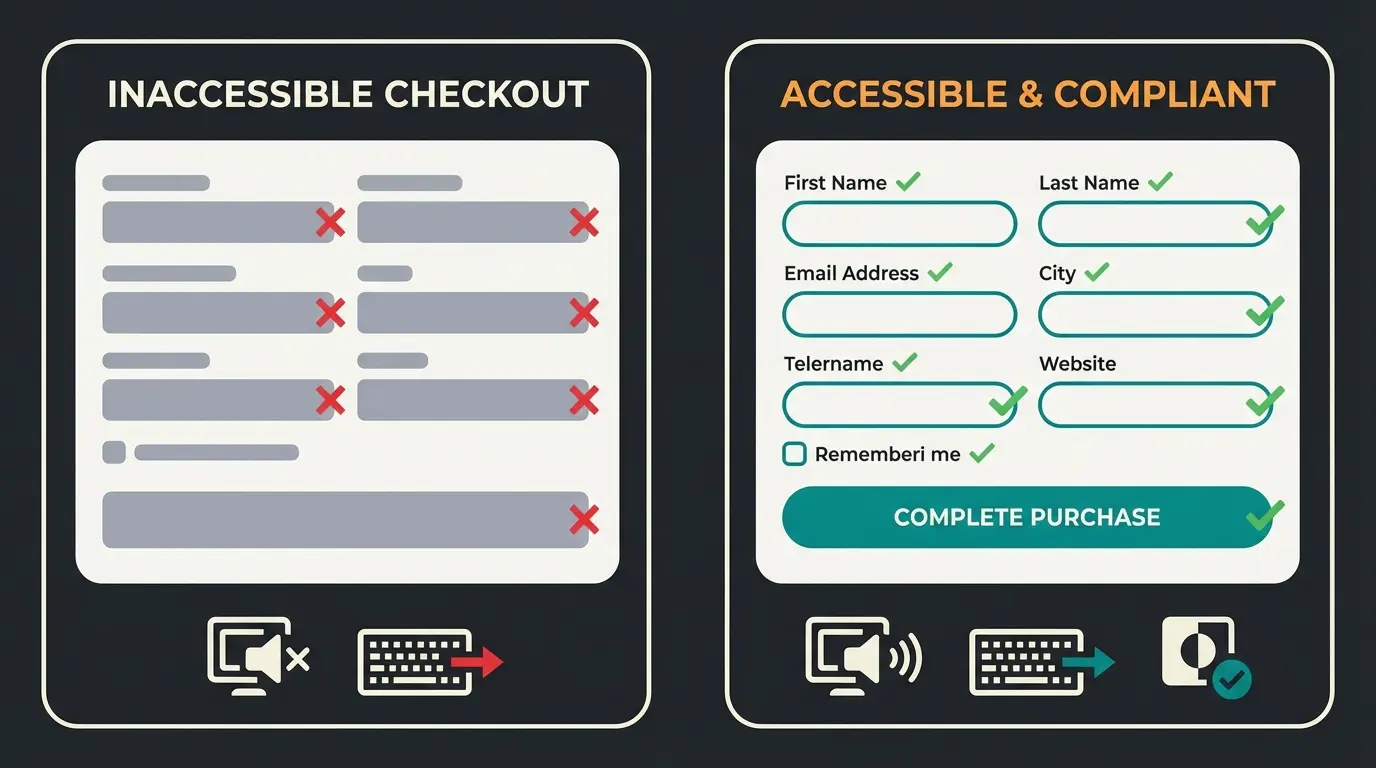
| June 28, 2026 | EAA Deadline | Law | All B2C shops must be accessible. Non-compliance is a legal risk. |
| 2027 | Shopware 6.8 | Planned | Focus on stability, Agentic AI features, advanced B2B. |
| 2028+ | Shopware 7.0 | Hypothetical | Earliest realistic window. No official confirmation exists. |
Historical context helps frame the timeline. Shopware announced version 6 in 2017 and released it in 2019, roughly two years of public development. Before that, Shopware 5 had been the standard since 2015. If Shopware has not even begun discussing a version 7 publicly, a release before 2028 is optimistic.
Shopware also pushed 6.8 from its original 2026 target to 2027. The reason: stability and the Agentic AI roadmap needed more time. This delay makes a near-term version 7 even less likely.
Complete platform rewrite. Symfony-based architecture replaces Shopware 5.
Extension system overhaul, Flow Builder, Rule Builder. Platform matures.
AI Copilot introduced. Spatial Commerce features. Current stable version.
Vue 3, Vite, EAA compliance. The biggest technical leap since 6.0.
Legal requirement for B2C accessibility. Non-compliant shops face enforcement.
Agentic AI features, B2B enhancements, stability focus.
Earliest realistic window for a new major version. No confirmation exists.
Shopware 6 evolution: from 6.0 to 6.7
Understanding how Shopware 6 has evolved explains why a version 7 is not urgent. Each major release added capabilities that other platforms would have called a new version. For a deeper look at the current platform, see our Shopware 6 overview.
| Version | Year | Key additions |
|---|---|---|
| 6.0 | 2019 | Complete rewrite on Symfony and Vue.js. New API-first architecture. |
| 6.1-6.3 | 2019-2020 | Core stabilization, performance improvements, shopping experiences (CMS). |
| 6.4 | 2021 | New extension system, improved admin UX, merchant-facing improvements. |
| 6.5 | 2023 | Flow Builder for automation, Rule Builder, commercial features expansion. |
| 6.6 | 2024 | AI Copilot (product descriptions, translations), Spatial Commerce, Digital Sales Rooms. |
| 6.7 | 2026 | Vue 3/Vite migration, EAA compliance, B2B Components, Agentic Commerce foundations. |
The pattern is clear. Shopware treats the 6.x line as a living platform, not a frozen product waiting for the next big number. Version 6.7 alone brings changes that would justify a major version bump at most competitors. That matters when weighing a Shopware vs Shopify or Shopware vs WooCommerce decision. The jump from Vue 2 to Vue 3, from Webpack to Vite, from monolithic B2B Suite to modular B2B Components: each of these is a breaking change.
For merchants, this means the practical impact of each 6.x upgrade is larger than the version number suggests. Budget and plan accordingly.
What to expect from Shopware 7
No official information exists about Shopware 7. What follows is analysis based on Shopware's trajectory, the Shopware GitHub repository, and broader industry trends. This is informed analysis, not speculation.
AI-native architecture
Shopware is investing heavily in AI through its Copilot features and the Agentic Commerce Alliance. In 6.6 and 6.7, AI is an add-on layer. A version 7 would likely make AI a core framework feature: built into the data model, the search engine, and the checkout flow. Think AI-powered product matching as a default, not a plugin.
Composable commerce
The shift from monolithic B2B Suite to modular B2B Components in 6.7 signals direction. A version 7 could fully embrace MACH principles (Microservices, API-first, Cloud-native, Headless). Individual commerce capabilities would become independently deployable services rather than parts of a single application. This would narrow the gap between Shopware and enterprise platforms like Spryker, as our Shopware vs Spryker analysis explores.
Headless-first design
Shopware 6 supports headless through its Store API, but the default Storefront still carries weight. A version 7 might drop the traditional storefront entirely and ship as an API-only platform with reference frontend implementations. This would reduce complexity and give merchants full control over the customer experience.
Developer experience
The Vue 3 and Vite migration in 6.7 is step one. A version 7 could standardize TypeScript throughout, improve the extension API surface, and reduce the learning curve for developers coming from other frameworks. Whether Shopware calls the next leap 7.0 or continues the 6.x numbering is, frankly, a branding decision more than a technical one.
How Shopware 7 could affect editions and pricing
Shopware currently offers four tiers: Shopware Community Edition (free, open source), Rise, Evolve, and Beyond. Our Shopware editions comparison breaks down exactly what each tier includes. A version 7 would almost certainly change this structure, based on what happened with previous major versions.
When Shopware moved from version 5 to 6, the licensing model shifted fundamentally. Shopware 5 used one-time license fees. Shopware 6 introduced subscription-based pricing for commercial features. That shift caught many merchants off guard. Merchants evaluating their options at that time often compared Shopware vs OXID or Shopware vs JTL before committing to the new model.
A version 7 could bring further changes. AI features are the obvious candidate for edition differentiation: basic AI capabilities in Community, advanced Copilot and Agentic Commerce features in higher tiers. The Community Edition will likely remain free, as open source is central to Shopware's ecosystem and developer adoption strategy. That open-source commitment is one reason merchants choose Shopware over platforms like PrestaShop, as our Shopware vs PrestaShop comparison details.
Migration planning: preparing your store
You cannot prepare for Shopware 7 specifically, since it does not exist. But you can prepare your store for any major upgrade. The merchants who handle version jumps well are the ones who kept their house clean along the way. If you are migrating from another platform entirely, our WooCommerce to Shopware guide covers the process step by step. For detailed migration steps, see our Shopware migration guide.
- Upgrade to Shopware 6.7 before the EAA deadline (June 28, 2026). Non-compliance is a legal risk, not a nice-to-have.
- Check PHP version. Shopware 6.7 requires PHP 8.2 or higher. Verify your hosting environment.
- Audit plugin compatibility. Every plugin must support Vue 3 and Vite. Contact your plugin vendors now.
- Replace deprecated API calls with current Store API and Admin API standards.
- Use standard extension points instead of core overrides. Core overrides break with every major upgrade.
- Structure product data for AI readability. Clean attributes, consistent taxonomy, complete descriptions. This pays off regardless of version.
- Document all customizations. Know exactly what was modified and why. This is the single biggest time saver during any migration.
If the upgrade turns into a bigger project, a full Shopware relaunch is often the more honest path. Rebuilding instead of patching around years of technical debt costs more upfront and less over three years.
One of our clients, a garden supplies retailer with over 3,000 products on Shopware, completed their major version migration in under six weeks. The key was clean product data and documented customizations. The merchants who struggled were the ones with years of unstructured attributes and undocumented core modifications.
Planning your store's next upgrade brings more visitors. An AI employee turns those visitors into buyers. Our clients see up to 7x higher conversion rates and 35% higher cart values with AI-powered product consultation.
Book a free demoFAQ
Shopware 7 has not been announced. The next confirmed releases are Shopware 6.7 (May 2026) and 6.8 (2027). Based on historical patterns, the earliest realistic window for a version 7 is 2028 or later.
No. Shopware 6.7 is a major release within the 6.x line. It brings significant technical changes (Vue 3, Vite, EAA compliance), but it builds on the same Symfony-based architecture as previous 6.x versions. A true version 7 would mean a new core architecture.
Most likely yes, though migration complexity is unknown since version 7 does not exist yet. Based on the Shopware 5 to 6 transition, expect a significant upgrade effort. Keeping your 6.x installation current and using standard APIs will reduce future migration work.
The Community Edition of Shopware has been free and open source since version 6. Shopware is likely to maintain a free tier in any future version, as open source adoption drives their ecosystem. Premium features and AI capabilities will remain in paid tiers.
No. Waiting for a version that has not been announced and may not arrive before 2028 is a strategic mistake. Launch on Shopware 6.7 now, build on standard APIs, and you will be well-positioned for any future upgrade.
The bottom line
The search for "Shopware 7" reveals a real need: merchants want to know what comes next and how to prepare. The answer is practical, not dramatic. Upgrade to 6.7 for EAA compliance. Keep your plugins and APIs current. Structure your data for AI. These steps serve you regardless of what Shopware calls its next release.
The future of e-commerce will not be defined by version numbers. It will be defined by how intelligently your store serves customers. That work starts today.
While others wait for Shopware 7, smart merchants are implementing AI-powered product consultation that works with any Shopware version. Our AI employees help your customers find the right products, increasing conversion by up to 7x.
Book a demo
Lasse is CEO and co-founder of Qualimero. After completing his MBA at WHU and scaling a company to seven-figure revenue, he founded Qualimero to build AI-powered digital employees for e-commerce. His focus: helping businesses measurably improve customer interaction through intelligent automation.