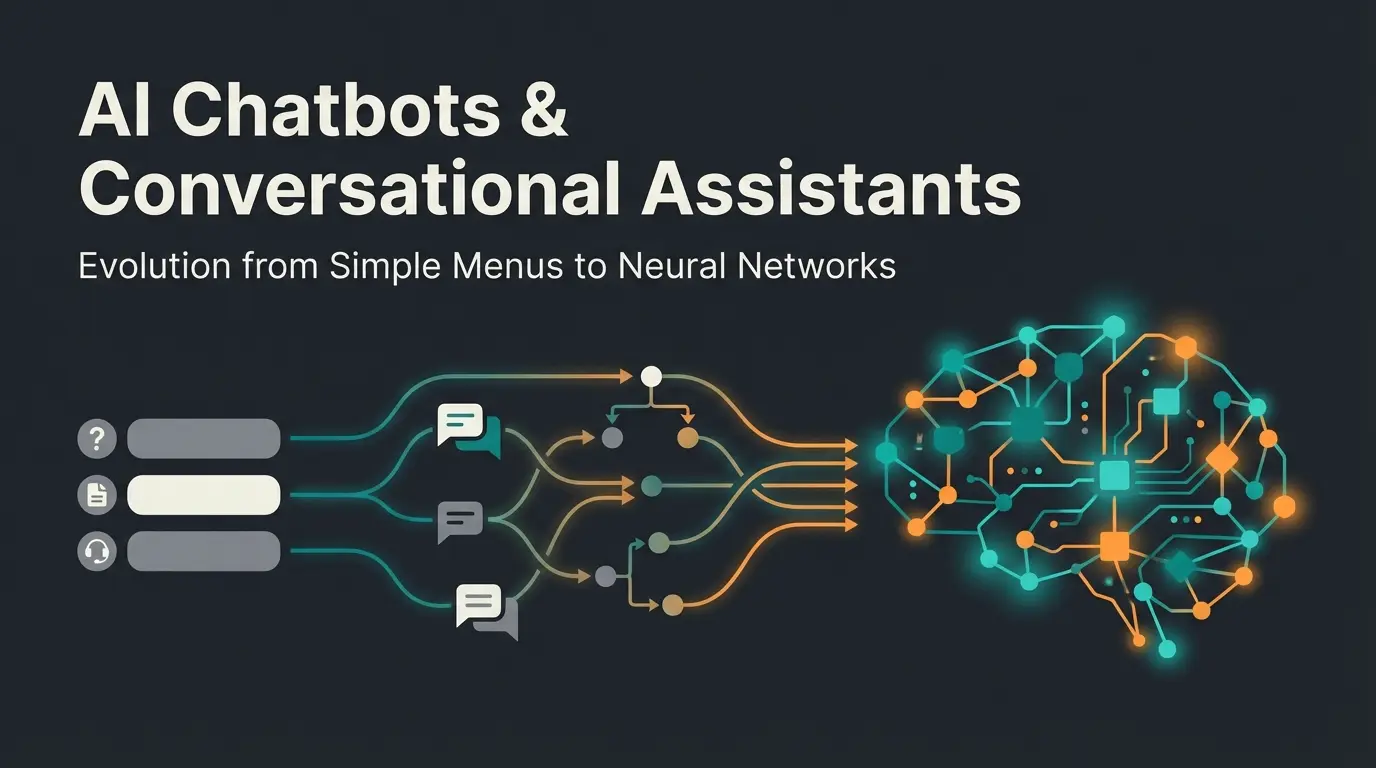
Why the Binary Choice Is Outdated in 2026
Choosing the right chat and communication platform feels like picking between two difficult options for many B2B companies: Do you want a tool that aggressively books meetings but costs a fortune (Drift)? Or do you want a tool that delivers excellent support but fails at complex sales conversations (Intercom)?
If you've searched for drift vs intercom in recent weeks, you know the standard answers: Drift is for sales, Intercom is for support. Period. According to Warmly.ai, this framing has dominated every major comparison article for years.
But in 2026, this binary view falls short. The market has changed. AI has changed. And most importantly, the demands of businesses regarding data privacy (GDPR), compliance requirements, and technical product consultation have increased dramatically.
In this comprehensive guide, we'll break down both platforms into their component parts. We'll analyze the hidden costs, the painful realities of EU hosting, and uncover a massive gap that both tools leave behind: Automated product consultation. This is where AI product consultation enters the picture as a game-changing alternative.
If you're wondering whether to spend $30,000 on Drift or fight through Intercom's complex pricing model—or whether there's a third option that better fits complex products—this article is for you.
The Quick Comparison for Decision Makers
Before we dive deep, here's the quick overview. Where do Drift and Intercom really stand in 2026? This chatbot drift vs intercom comparison table gives you the essential facts at a glance.
| Feature / Aspect | Drift (by Salesloft) | Intercom | AI Consultant Solution |
|---|---|---|---|
| Primary Focus | Outbound Sales & ABM. Focus on booking meetings for human SDRs. | Customer Support & Retention. Focus on ticket deflection and customer satisfaction. | Pre-Sales Product Consultation. Focus on understanding and selling complex products without human intervention. |
| AI Approach | Bionic AI: Goal is to qualify leads and hand them off to humans. | Fin AI: Goal is to answer support questions based on help center articles. | Consultant AI: Goal is to advise like a technical salesperson and guide customers to the right product. |
| Pricing Model | Opaque & Expensive. Often starts at ~$2,500/month (annual payment). Enterprise focus. | Seat-based + Usage fees. Starts cheap but quickly becomes expensive through add-ons and AI fees ($0.99 per resolution). | Value-based / Transparent. Performance-based or flat-rate options available. |
| EU Data Hosting | Frankfurt (AWS). Available but often tied to Enterprise plans only. | Dublin (AWS). Only from 'Advanced' plan. Warning: No migration of existing workspaces possible! | Germany/EU. Full GDPR compliance and local servers as standard. |
| Ideal for... | Large Enterprise teams with many SDRs who need to fill calendars. | SaaS companies looking to automate support tickets. | B2B companies with complex, explanation-heavy products. |
Drift Review: The Meeting Booking Machine
Drift invented the concept of 'Conversational Marketing.' The premise was revolutionary: Away from static forms, toward conversations. Since the acquisition by Salesloft in 2024, however, Drift has evolved strongly toward a pure enterprise solution for large sales teams. As detailed by Salesloft, this integration has deepened significantly.
Drift's Core Strengths: Where It Excels
Drift is unbeatable when your sole goal is to fill the calendars of your sales representatives (SDRs/AEs). Understanding how AI Chatbots transform customer interactions helps contextualize Drift's approach.
- Account-Based Marketing (ABM): Drift recognizes when a VIP customer (e.g., from a major enterprise) is on your website and immediately notifies the responsible salesperson. The chatbot can greet these visitors by name ('Hello [Company] team...')
- Meeting Booking: The calendar integration is profound. The bot pre-qualifies ('Do you have a budget over $50k?') and immediately offers a slot in the salesperson's calendar if the lead qualifies.
- Salesloft Integration: Through the merger, Drift is now deeply integrated into the Salesloft ecosystem, which is a major advantage for teams already using Salesloft for sales engagement.
Drift's Weaknesses: The Hidden Cost Reality
Drift is not a tool you 'just install.' It's a commitment. The drift vs intercom chat comparison becomes particularly stark when examining the true cost of ownership.
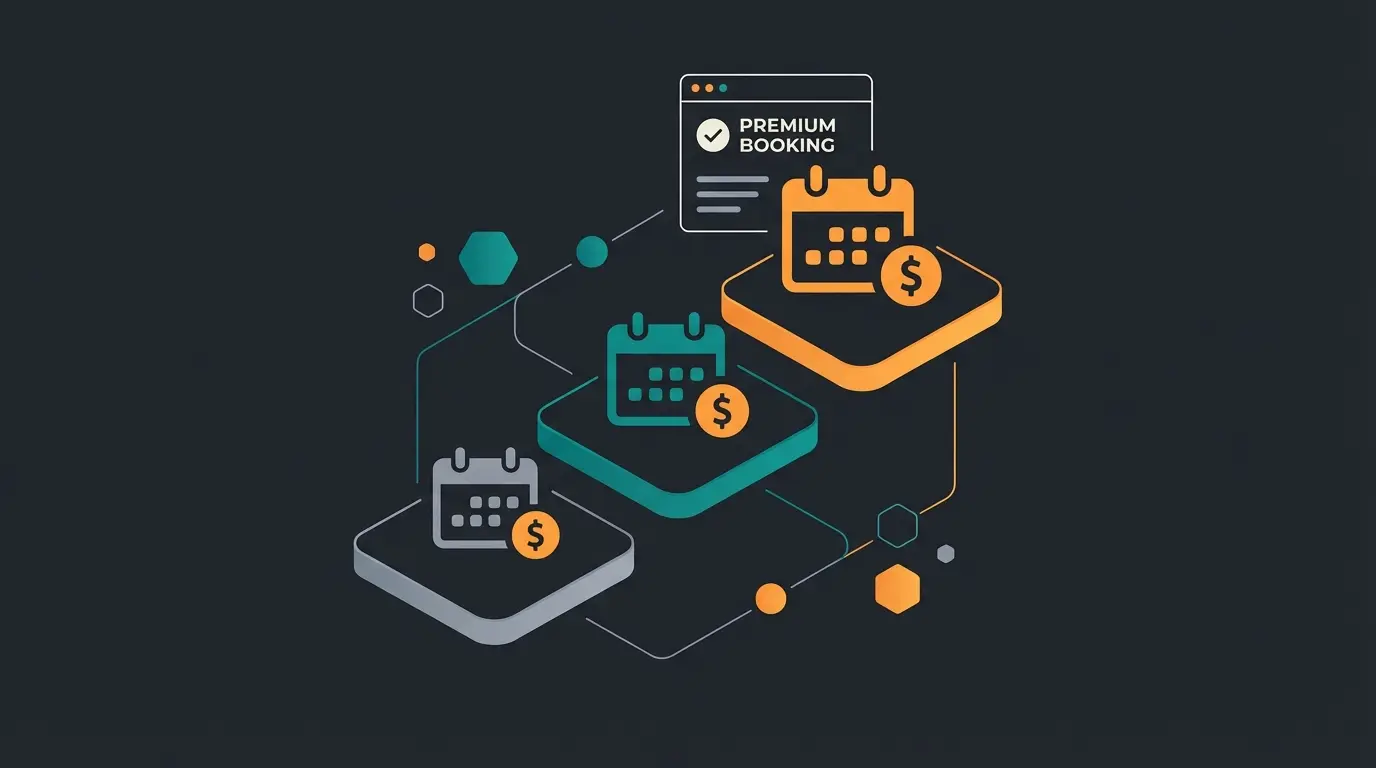
- The Price Shock: Drift no longer publishes prices on its website ('Contact Sales'). Research and user reports from 2025 show that entry (Premium Plan) often starts at approximately $2,500 per month—with annual prepayment of around $30,000. According to Getbreakout.ai, this pricing structure has remained consistent.
- Human Dependency: Drift is only as good as the team behind it. The bot is designed to hand off to humans. If you don't have a team that responds within 5 minutes, the effect fizzles out. Drift is a 'router,' not a 'seller.'
- Security Concerns: In August 2025, there was a significant security incident where OAuth tokens from the Drift-Salesforce integration were compromised, as reported by Silverfort and Socradar. For security-conscious IT departments, this is a red flag that must be addressed in the procurement process.
Intercom Review: The Customer Home Platform
Intercom positions itself as the complete opposite: A platform for the entire customer lifecycle, but with an extremely strong emphasis on support and retention. This intercom vs drift positioning has defined the market for years.
Intercom's Strengths: Where It Shines
If you run a SaaS product (Software as a Service), Intercom is the gold standard. The platform demonstrates how KI-Produktberatung outperforms support in certain contexts, though Intercom remains focused on support excellence.
- The Fin AI Agent: Intercom's AI 'Fin' is impressive when it comes to resolving support tickets. You feed Fin your help center articles, and it answers questions like 'How do I reset my password?' or 'Where can I find my invoice?' fully automatically. According to GPTbots.ai, Fin has resolved millions of support conversations.
- Shared Inbox: The user interface is excellent. Support teams love the way emails, chats, and social media messages land in one inbox.
- Product Tours: Intercom can guide users through your software ('Click here to create a project'). This is powerful for onboarding new customers.
Intercom's Weaknesses: The Cost Trap
Intercom appears cheap at first glance but quickly becomes expensive. This reality is crucial for any drift vs intercom evaluation.
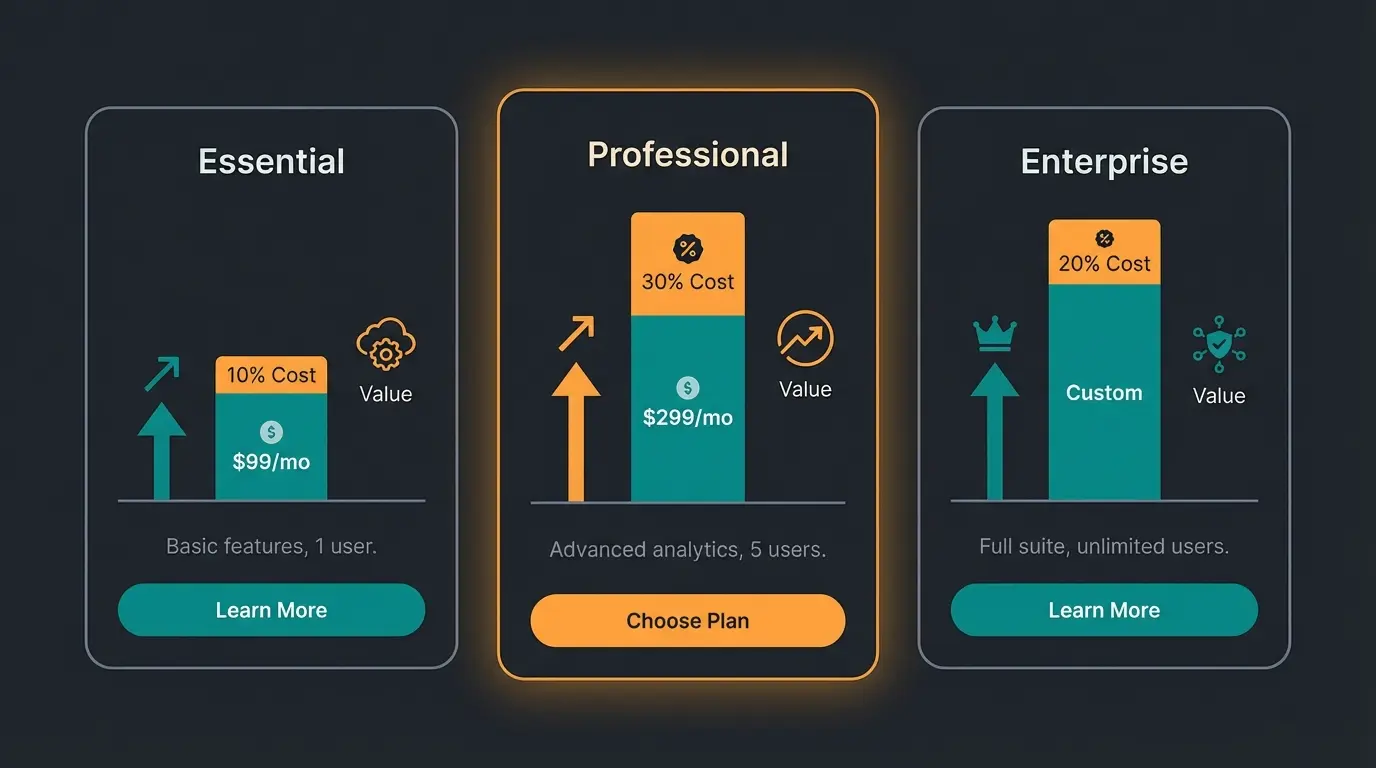
- The Price Spiral: The entry price of approximately $29-39 per seat seems fair. But to use features like Workflows, WhatsApp integration, or EU hosting, you often have to upgrade to the 'Advanced' plan, which runs about $85-99 per seat according to SaasPricePulse.
- Fin AI Costs: Fin costs $0.99 per successful resolution, as documented by Eesel.ai and Customerly. That sounds little but adds up. With 2,000 automated support cases per month, that's almost $2,000 extra—every month.
- Not a Seller: Fin can summarize support articles, but it can't consult. When a customer asks: 'Which of your packages best fits my 50-person company?', Fin often delivers just a list of packages but doesn't conduct a genuine sales conversation.
Enterprise-focused pricing with annual commitment required
Fin AI charges accumulate quickly at scale
Once essential features and AI are activated
Critical capabilities require expensive plan upgrades
The Consultation Gap: Where Both Tools Fail
Here lies the real problem for many B2B companies, especially manufacturers of complex products (mechanical engineering, electrical engineering, specialized IT services). This is where the concept of revenue-generating product consultants becomes essential.
Most search results force you to make a choice:
- Want to book a meeting? -> Choose Drift.
- Want to resolve a support ticket? -> Choose Intercom.
But what if the customer isn't ready for a meeting yet but has a question that no simple support article can solve?
That's the 'Consultation Gap'—the missing middle ground that neither tool addresses effectively.
A Real-World Scenario That Illustrates the Problem
Imagine you sell industrial sensors. An engineer visits your website and asks the chatbot: 'I need a sensor for an environment with high humidity and temperatures up to 80 degrees Celsius. Which model do you recommend?'
Here's how each platform would typically respond in this chatbot drift vs intercom scenario:
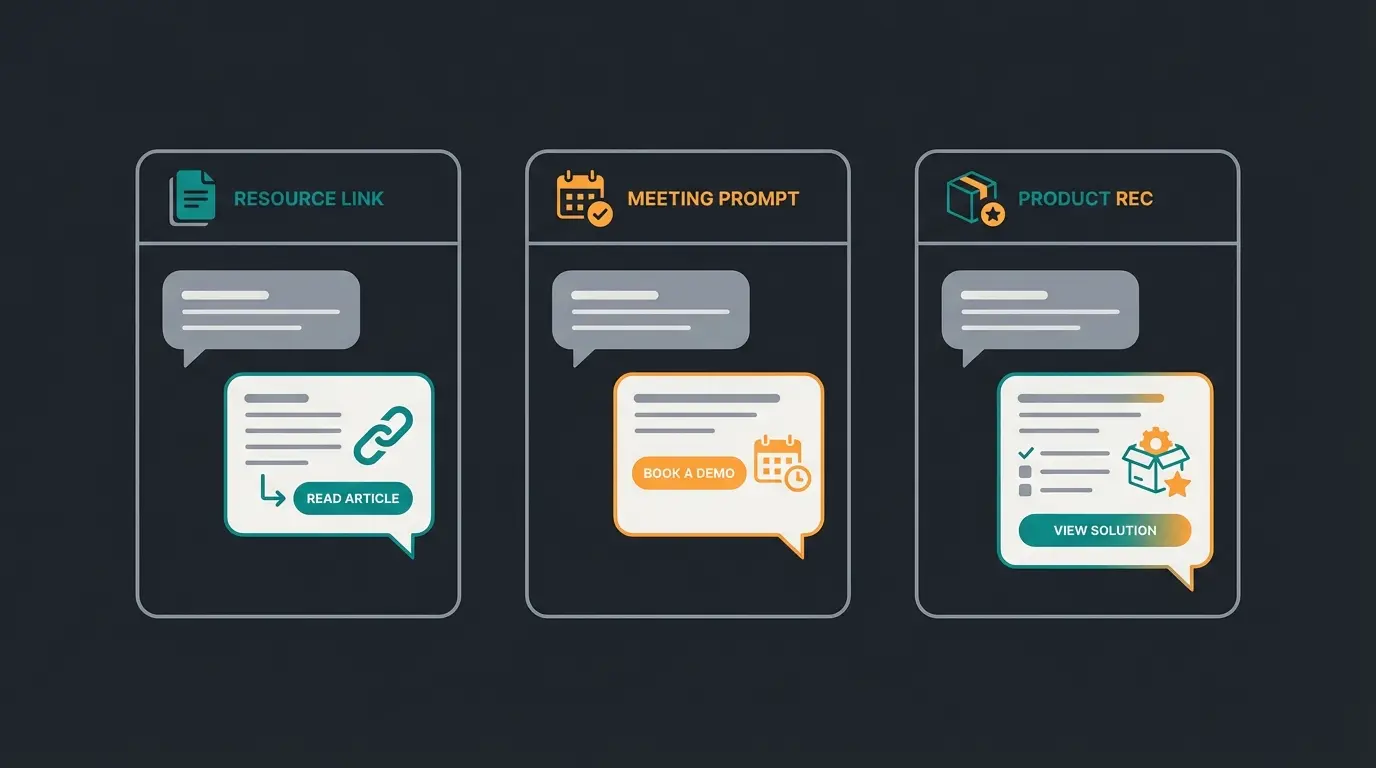
- Intercom's Response (Support Logic): 'Here are 3 articles from our Help Center on 'Technical Specifications' and 'Temperature Ranges'.' -> The customer must read and search themselves.
- Drift's Response (Sales Logic): 'That sounds exciting! Would you like to speak with a sales representative to find the right model?' -> The customer doesn't want to call yet; they just want information.
- AI Consultant Response (Advisory Logic): 'For high humidity and 80°C, I recommend our X-200 series. Specifically, the X-205 model is IP67-certified and can withstand up to 95°C. Do you need an analog or digital output with that?'
Why This Matters for Complex Product Companies
Many businesses don't sell self-explanatory products. They sell expertise. This is where digital sales consultants become invaluable for differentiation.
- Drift assumes that the human has the expertise (hence the handoff).
- Intercom assumes that the document has the expertise (hence the link).
- A Consultation AI assumes that the AI should have the expertise.
If you sell products that need explaining, you don't need a 'router' (Drift) or a 'librarian' (Intercom). You need a digital application consultant. That's the fundamental difference that most comparisons overlook. The emergence of Consultative AI represents this evolution in conversational technology.
Discover how AI-powered product consultation can transform your complex B2B sales process—without the enterprise pricing or support-only limitations.
Start Your Free TrialGDPR & EU Data Hosting: The Compliance Reality
For European and privacy-conscious businesses globally, data protection isn't a 'nice-to-have'—it's a knockout criterion. Here, Drift and Intercom differ massively—and the details are often hidden in the fine print. Companies implementing Shopware 6 chatbots face these same compliance challenges.
Intercom: The Dublin Dilemma
Intercom offers data hosting in the EU (AWS Dublin). That sounds good but has two massive catches that are often mentioned late in sales conversations, as documented by Eesel.ai and Intercom's own documentation:
- Only for New Workspaces: You cannot migrate an existing US workspace to the EU. If you already use Intercom and want to switch to EU hosting, you must create a completely new account. This means: All chat histories, all user data, and all configurations are lost or must be manually exported/imported. A nightmare for existing customers.
- Plan Requirement: EU hosting is often tied to the more expensive plans ('Advanced' or 'Expert'). In the affordable 'Essential' plan, your data often defaults to landing in the USA.
- Third-Party Apps: Many integrations in the Intercom App Store don't work or only work with limitations with the EU instance, as the data flows of these apps often run through US servers again.
Drift (Salesloft): Frankfurt as a Fortress?
Since the acquisition by Salesloft, Drift benefits from their infrastructure. Salesloft operates a data center in Frankfurt (AWS eu-central-1), as confirmed by Salesloft's infrastructure documentation.
- Advantage: Data storage in Germany is the strongest argument for the data protection officer and compliance teams.
- Disadvantage: Access to the German data center is also often reserved for Enterprise customers. In 'self-service' or smaller packages, this is often not guaranteed.
The Works Council Factor for European Companies
An often overlooked aspect in US software comparisons: In Germany and similar European markets, the Works Council (Betriebsrat) has a co-determination right in the introduction of software that is suitable for performance and behavior monitoring. This is codified in laws like §87 Section 1 No. 6 of the German Works Constitution Act, as explained by EF Arbeitsrecht and Thomas Helbing Law.
- The Problem: Both Drift and Intercom track exactly how quickly an employee responds (Response Time), how many tickets they resolve, and what customer ratings look like. These are classic performance data points.
- The Hurdle: Without a clean works agreement (Betriebsvereinbarung), these tools often cannot be introduced in companies with worker representation.
- The Solution: You need a tool that allows granular permission assignment (e.g., 'Team leader cannot see individual performance data, only aggregated team data'). Intercom offers this in the 'Expert' plan, Drift in the Enterprise plan. Cheaper plans often fall through the compliance grid.
Confirm EU/local hosting is explicitly stated in the contract, not just 'GDPR compliant'
Verify if existing data can migrate to EU servers or if you need a fresh start
Identify which pricing tier actually includes EU data residency
Ensure granular permissions can disable individual performance tracking
Check if integrations maintain EU data residency or route through US servers
Integration Ecosystem: What Fits Your Tech Stack?
A chatbot is an island if it doesn't communicate with your CRM. The right integrations can transform AI product consultants into powerful revenue drivers.
Salesforce Integration Comparison
- Drift: Extremely strong through its Salesloft affiliation. But caution: The 2025 security incident showed that integration via OAuth tokens can be a vulnerability. Check whether your IT has concerns here, as detailed in Salesforce's security advisory.
- Intercom: Solid integration, but more designed to send leads to Salesforce or display ticket status. Less deeply anchored in sales processes.
HubSpot & Pipedrive Compatibility
- Both tools offer native integrations.
- Intercom is often the better choice for Pipedrive users (popular in the European mid-market), as contact data synchronization runs very smoothly.
- Drift focuses heavily on the Salesforce ecosystem but supports HubSpot well.
For businesses looking to implement proactive product consultation, integration capabilities become crucial for delivering personalized experiences at scale.
Price Analysis: What Does It Really Cost?
Let's calculate a realistic scenario for a B2B company (mid-market). Scenario: 5 employees in the tool, need for AI automation, GDPR compliance (EU Hosting).
Intercom Cost Calculation (2026 Estimate)
- Base: Advanced Plan (needed for EU Hosting & Automation) ≈ $85 per seat/month → 5 seats x $85 = $425/month
- AI Costs (Fin): Assuming you have 500 genuine AI resolutions per month → 500 x $0.99 = $495/month
- Add-ons: E.g., 'Proactive Support' for outbound messages ≈ $99/month
- Total: Approximately $1,020 per month
Conclusion: The entry price of $29 is an illusion for professional setups. According to Bolddesk and Featurebase, this pattern is consistent across Intercom deployments.
Drift Cost Calculation (2026 Estimate)
- Base: Premium Plan (often minimum for meaningful use)
- Flat Rate: Often approximately $2,500/month (annual payment ~$30,000)
- Total: Approximately $2,500 per month
Conclusion: Significantly more expensive entry, but 'all-in' for larger teams. Fewer variable cost traps than Intercom, but a high barrier. Research from AIFlowReview confirms these pricing structures.
| Cost Component | Intercom (5 Seats) | Drift (5 Seats) | AI Consultant Alternative |
|---|---|---|---|
| Base Platform | $425/month | $2,500/month | Competitive flat-rate |
| AI Usage Fees | $495/month (500 resolutions) | Included | Included |
| EU Hosting Addon | Requires Advanced plan | Enterprise only | Standard |
| Realistic Monthly Total | $1,020+ | $2,500+ | Transparent pricing |
| Annual Commitment | Variable | $30,000 minimum | Flexible terms |
Final Verdict: Which Tool Wins in 2026?
The decision between Drift and Intercom isn't a matter of taste—it's a strategic crossroads. Understanding your AI product finder needs helps clarify which direction suits your business.
Choose Drift If...
- You have a large outbound sales team (10+ SDRs)
- Your main goal is booking meetings for these employees
- You use Salesforce as your CRM and need deep ABM capabilities
- Budget ($30k+/year) isn't a constraint
Choose Intercom If...
- You have a SaaS product with many users
- Your main goal is support efficiency and ticket reduction
- You're willing to pay variable fees for each AI-resolved case
- You're starting fresh (new workspace) and can start directly in Dublin
Choose an AI Consultant Solution If...
- You sell complex, explanation-heavy products (machinery, technology, complex services)
- You want to close the 'Consultation Gap': Customers should be advised, not just managed
- You're looking for a GDPR-compliant solution that works without complex migration or enterprise contracts
- You want AI that sells, instead of just sending links or scheduling appointments
The market has evolved. In 2020, the question was 'Chatbot or live chat?' In 2026, the question is: 'Can your AI explain my product as well as my best salesperson?' Neither Drift nor Intercom was primarily built for that. If that's your goal, it's worth looking at the third option—digital product consultants that combine sales acumen with technical knowledge.
The rise of AI employees represents this evolution toward autonomous, expert-level digital workers that can handle complex consultative sales conversations.
Purchasing Checklist: Questions to Ask Vendors
Before signing any contract, clarify these critical points with the provider:
- Data Hosting: Does the contract explicitly state 'Server location: EU/Germany' or just 'we comply with GDPR'? (Big difference!)
- Works Council Compliance: Can we completely disable individual employee performance data tracking?
- AI Training: Does the AI only learn from FAQs (Intercom) or can I teach it sales logic and product expertise?
Frequently Asked Questions
Drift offers EU data hosting through Frankfurt (AWS eu-central-1) via its Salesloft infrastructure, but this is typically limited to Enterprise plan customers. Self-service and smaller plans may not guarantee EU data residency. Always verify the specific data hosting location in your contract rather than relying on general GDPR compliance statements.
While Intercom advertises entry prices around $29-39 per seat, realistic costs for businesses needing EU hosting, AI automation, and essential features typically exceed $1,000 per month. The Advanced plan required for EU hosting costs $85-99 per seat, and Fin AI adds $0.99 per successful resolution, which compounds quickly at scale.
Neither tool was designed for consultative product selling. Drift focuses on routing qualified leads to human salespeople for meetings, while Intercom's Fin AI specializes in deflecting support tickets using help center content. For complex technical products requiring expert-level consultation, a dedicated AI Consultant solution that understands product specifications and can guide purchasing decisions is more appropriate.
It depends on your primary use case. Drift excels for enterprise B2B companies with large SDR teams focused on outbound sales and meeting booking. Intercom is superior for SaaS B2B companies prioritizing customer support and retention. However, B2B companies selling complex products with long consideration phases may find both tools inadequate and should explore AI consultation alternatives.
Drift's 'Bionic AI' focuses on lead qualification and routing prospects to sales meetings—it's essentially a sophisticated traffic director. Intercom's 'Fin AI' specializes in answering support questions by synthesizing help center content—it's an intelligent librarian. Neither offers true consultative AI that can understand complex product requirements and make expert recommendations the way a skilled sales engineer would.
Discover how a Consultant AI can autonomously advise on and sell your complex products—closing the gap that both Drift and Intercom leave wide open.
Book Your Demo Today
Lasse is CEO and co-founder of Qualimero. After completing his MBA at WHU and scaling a company to seven-figure revenue, he founded Qualimero to build AI-powered digital employees for e-commerce. His focus: helping businesses measurably improve customer interaction through intelligent automation.