Introduction: Is Your Magento Shop Ready for Tomorrow?
When you think of a Magento shop, you probably envision powerful product catalogs, complex interfaces, and unlimited scalability. That's correct. Magento (now under Adobe's umbrella) powers thousands of the world's highest-revenue online stores. But there's a problem that's rarely discussed in technical circles: Your customers' filter fatigue.
We're writing this in 2026. Customers are accustomed to interacting with technology in intuitive ways. While the Magento webshop backend is a technological marvel, the frontend often feels like a digital warehouse: rows of products, a left sidebar with filters, and the hope that customers know what "torque" or "viscosity" means. This creates a significant gap between technical capability and customer experience that savvy merchants are now addressing through AI product consultation solutions.
In this comprehensive guide, you'll discover why Magento Open Source is more attractive than ever thanks to new developments like the cost-free Hyvä Theme. We'll break down the real costs of building a Magento online shop in Germany and explain why you don't need an expensive Adobe Commerce license to leverage artificial intelligence. Most importantly, you'll learn how to transform your shop from a "self-service warehouse" into an interactive sales floor that guides customers to purchase decisions.
Magento Open Source vs. Adobe Commerce: The Foundation
Before we discuss AI integration, we need to clarify the foundation. The first hurdle for every merchant is choosing the right edition. Search results are full of comparisons, but they often lack context for mid-market businesses. Understanding this fundamental decision is crucial – for a deeper platform analysis, our Shopware vs Magento comparison provides additional context.
The Two Faces of Magento
Magento Open Source (formerly Community Edition): This is the free version of the software. "Free" refers only to licensing fees – you have full access to the source code and own 100% of your data. It's the standard for SMBs and ambitious startups in Germany, Austria, and Switzerland.
Adobe Commerce (formerly Enterprise Edition): The paid version for large enterprises. It offers extended B2B functionality, cloud hosting, and integrated tools like Page Builder (now also available in Open Source) and Adobe Sensei. According to eesel.ai, licensing costs can range from $22,000 to over $125,000 annually depending on gross merchandise value.
| Feature / Aspect | Magento Open Source | Adobe Commerce (On-Premise & Cloud) |
|---|---|---|
| License Costs | $0 (Free) | From approx. $22,000 to $125,000+ per year (based on GMV) |
| Target Audience | SMBs, Mid-Market, Tech-Savvy Merchants | Corporations, Enterprise-Level, B2B Giants |
| Hosting | Freely selectable (e.g., Maxcluster, MGT-Commerce) | Included (Cloud) or On-Premise |
| Support | Community & Agency | Adobe Support (SLA) |
| B2B Functions | Available via Extensions | Natively integrated (Company Accounts, Quotes) |
| AI / Artificial Intelligence | Via 3rd-Party Tools (Flexible & Affordable) | Adobe Sensei (Expensive, Backend-Focused) |
| Frontend | Luma (outdated) or Hyvä (cost-effective) | Luma or PWA Studio |
The Adobe Sensei Pitfall
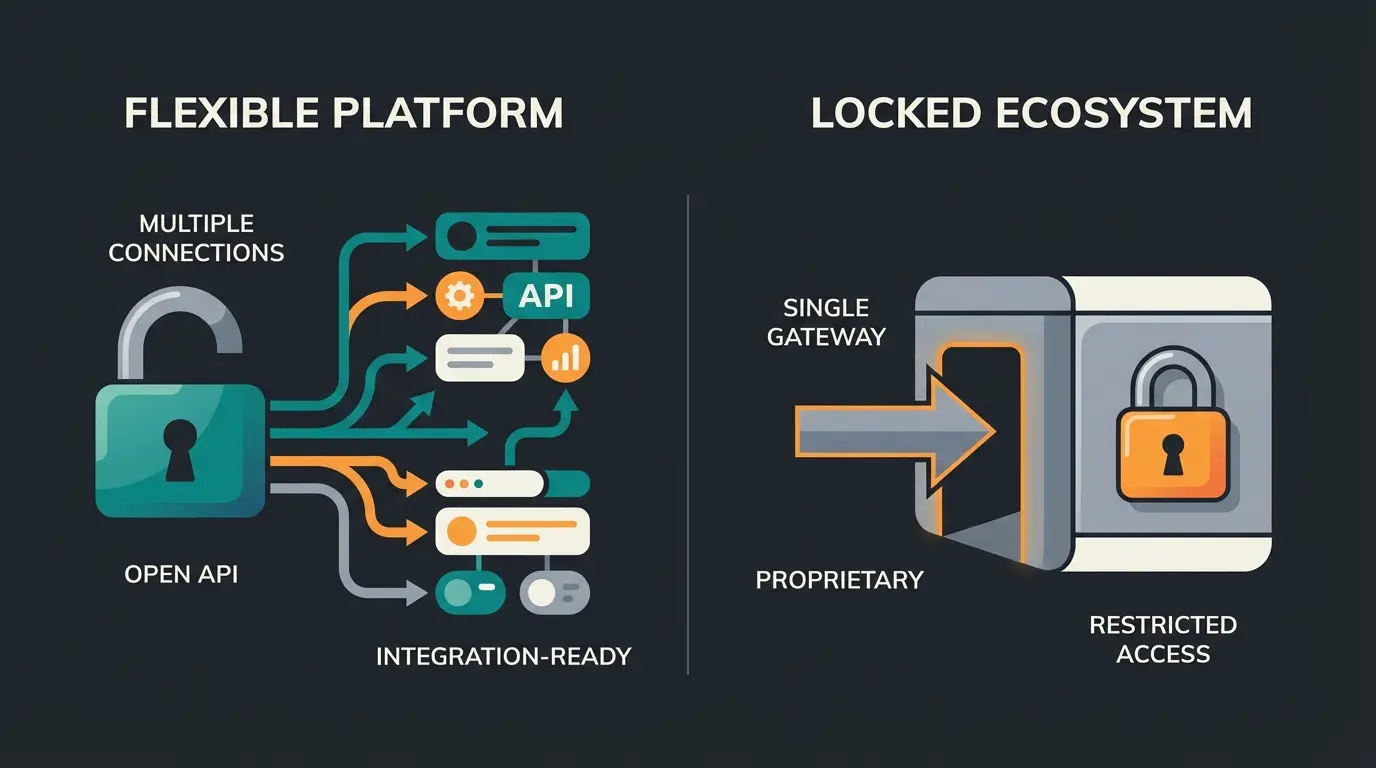
Adobe aggressively markets Adobe Sensei, its native AI solution for product recommendations and live search. As detailed by folio3.com, these features are primarily available to Adobe Commerce license holders. The problem? These functions are often exclusively tied to the expensive Commerce license, creating a significant barrier for mid-market merchants.
What Does a Professional Magento Online Shop Really Cost?
One of the most common search queries is "Magento shop costs." The answer "it depends" helps no one. Let's get specific based on current market data for 2025/2026, drawing from industry analyses by magemonkeys.com and advoxstudio.com.
Base Costs: Setup & Development
A professional Magento webshop is rarely used "out of the box." You'll need an agency or experienced freelancers to customize and configure your store properly.
- Hourly rates in DACH region: Expect hourly rates between €100 and €150 for certified senior developers in Germany, Austria, and Switzerland. Agencies in Eastern Europe typically range from €40 to €80.
- MVP (Minimum Viable Product): €15,000 – €30,000. Here you use standard themes with few customizations.
- Professional Mid-Market: €40,000 – €80,000. Custom design, ERP interfaces (e.g., SAP, Microsoft Dynamics), complex shipping rules.
- Enterprise Level: From €100,000 upward, depending on complexity and integrations.
Ongoing Costs & Hosting Requirements
Magento is resource-intensive. Never skimp on hosting, or you'll lose customers through long loading times. According to scalesta.com, performance optimization is one of the most critical success factors for Magento stores.
- Hosting: Specialized German hosts like Maxcluster or MGT-Commerce are essential. Expect €200 to €500 per month for a performant cluster with Varnish cache, Redis, and Elasticsearch.
- Maintenance: Budget monthly for security updates (patches). An outdated Magento shop is a security risk that can compromise customer data and damage your reputation.
The 2025/2026 Game Changer: Hyvä Theme Revolution
A massive cost factor has historically been frontend development. The standard "Luma" theme is outdated and slow. The solution has been the Hyvä Theme, which drastically improves performance with Google Lighthouse scores of 90+. According to meetanshi.com and plumrocket.com, Hyvä significantly reduces development time compared to traditional Magento themes.
Ranging from MVP to professional mid-market implementations
For performant Magento-optimized infrastructure
Annual fee you can avoid with Open Source + AI tools
Achievable with Hyvä Theme implementation
The German Context: GDPR, Legal Compliance & Trust
A Magento shop in Germany must follow different rules than in the USA. Top search results often mention this only in passing, but it's critical for your legal security and can make or break your business. German consumers are particularly privacy-conscious, making compliance non-negotiable.
GDPR (DSGVO) Compliance Requirements
Magento 2 is solid out of the box, but not pre-configured to be "lawyer-proof" for the German market. As noted by magemonkeys.com and amasty.com, proper GDPR implementation requires careful configuration.
- Cookie Consent: You need a Consent Management Platform (CMP) like Usercentrics or Cookiebot. Modules exist that seamlessly integrate these into Magento.
- Data Minimization: Don't store IP addresses unanonymized. Disable standard functions that send data to US servers (e.g., host Google Fonts locally).
- Server Location: Host with providers that have data centers in Germany (e.g., Maxcluster in Paderborn) to ensure data sovereignty and simplified compliance.
Trust Elements for German Buyers
German buyers are security-conscious and look for established trust signals before making purchase decisions. According to adobe.com and magecloud.net, trust badges significantly impact conversion rates.
- Trusted Shops / Google Certified Merchants: Integration of these seals is easily possible in Magento via official plugins. They demonstrably increase conversion rates by building immediate trust.
- Legal Texts: Use services like Händlerbund or IT-Recht Kanzlei, which offer modules to automatically keep your imprint and terms and conditions up to date in the shop.
- Transparent Pricing: German consumers expect all costs including shipping and taxes to be clearly displayed before checkout.
The Content Gap: The Problem with the Silent Shop
Here we arrive at the crucial point that most agencies overlook. You now have a technically perfect, fast (thanks to Hyvä), and legally compliant Magento webshop. But there's a fundamental problem: It doesn't actively sell.
The Problem: The Catalog Desert
Imagine entering a specialized bicycle store. In Scenario A (the classic online shop): No one greets you. You stand before 500 bicycles. On the wall hangs a list of technical specifications (frame height, gear type, suspension travel). You must know what you need. In Scenario B (the expert sales consultant): An employee approaches: "Hello! Are you looking for a bike for commuting or for off-road trails?"
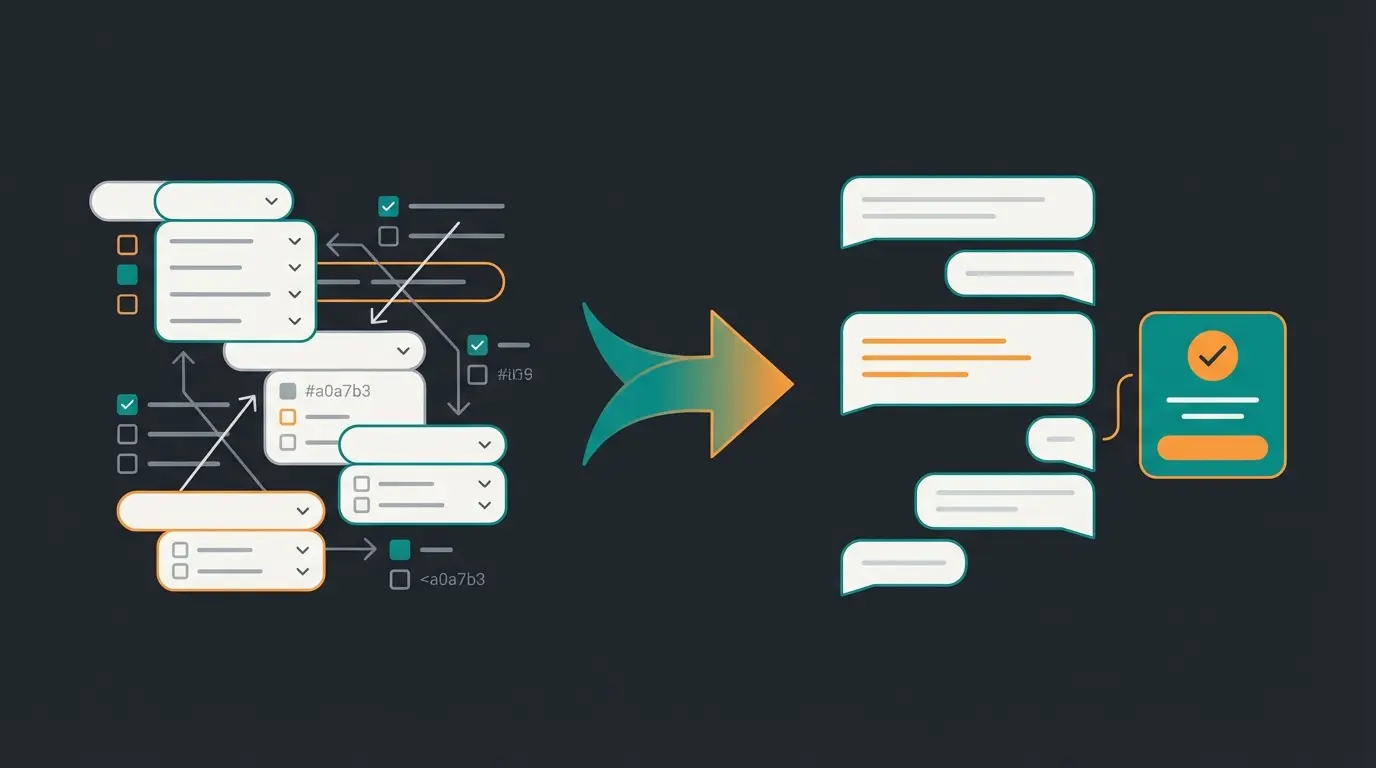
Most Magento shops are Scenario A. They rely on Layered Navigation (filters). The customer clicks: "Men's" -> "E-Bikes" -> "Motor: Bosch". Result: Still 40 products. The problem? The customer often doesn't know whether they need 50Nm or 85Nm torque. They're overwhelmed and abandon their cart. This is where AI consulting in e-commerce becomes not just beneficial but essential for competitive survival.
The Missed Opportunity in Current Search Results
The competition analyzes "AI" (artificial intelligence) mostly only in the context of backend optimization where "Adobe Sensei sorts products based on click rates," or support bots that answer "Where is my package?" This thinking is too short-sighted. The real revolution lies in Guided Selling AI – the approach our AI consultation guide explores in detail.
Basic hierarchical browsing with limited product discovery options
Filter-based search with multiple attributes but still requiring customer expertise
Conversational product discovery that understands context, preferences, and guides decisions
The Future: Your Magento Shop as AI Sales Consultant
To stand out in 2026, you must bridge the gap between the powerful Magento backend and the customer's need for consultation. This transformation represents the single biggest opportunity for differentiation in the Magento ecosystem.
What Is an AI Sales Consultant?
Unlike a simple chatbot that only plays back FAQs, an AI product consultant) (often based on LLMs like GPT-4 or specialized e-commerce models is deeply integrated into your product catalog. It understands not just keywords, but context and attributes. This is the fundamental difference between automation and true AI product advice.
Why Magento Open Source Has the Advantage
Adobe Commerce customers pay substantial sums for Adobe Sensei, which primarily relies on statistical recommendations ("Customers also bought"). As analyzed by navigatecommerce.com, enterprise AI features are often locked behind expensive licensing tiers.
As an Open Source user, you're more flexible. You can connect specialized AI tools via API that deliver exactly this consulting performance without the enterprise price tag. Tools integrating with Conversational Commerce approaches can be implemented at a fraction of Adobe Commerce costs. This includes AI sales consultants that work across channels including WhatsApp and your website.
- Higher Conversion Rate: Customers who receive consultation buy more frequently and with greater confidence.
- Fewer Returns: Those who buy the right product don't send it back, reducing operational costs and environmental impact.
- Differentiation: You no longer compete solely on price, but on service quality – automated and scalable 24/7.
Decision Matrix: Which AI for Your Shop?
| Feature | Adobe Sensei (Native) | Support Chatbots (Classic) | AI Sales Consultant (Modern) |
|---|---|---|---|
| Focus | Backend / Statistics | Service / Complaints | Sales / Consultation |
| Interaction | Passive (Recommendations) | Reactive (Answers questions) | Proactive & Leading |
| Technology | Machine Learning | Script-based / Basic NLP | Generative AI / LLM |
| Costs | High (Enterprise License) | Low | Medium (SaaS Fee) |
| Goal | Increase cart value | Reduce support tickets | Drive purchase decisions |
Stop losing customers to filter fatigue. Our AI Sales Consultants integrate seamlessly with Magento Open Source, guiding visitors to purchase decisions just like your best human sales expert – but available 24/7.
Start Your Free TrialChecklist: How to Launch a Modern Magento Shop
Ready to implement this strategy? Here's your roadmap for launching or relaunching your store with modern capabilities. Following this process ensures you build a foundation that supports both current needs and future AI integration.
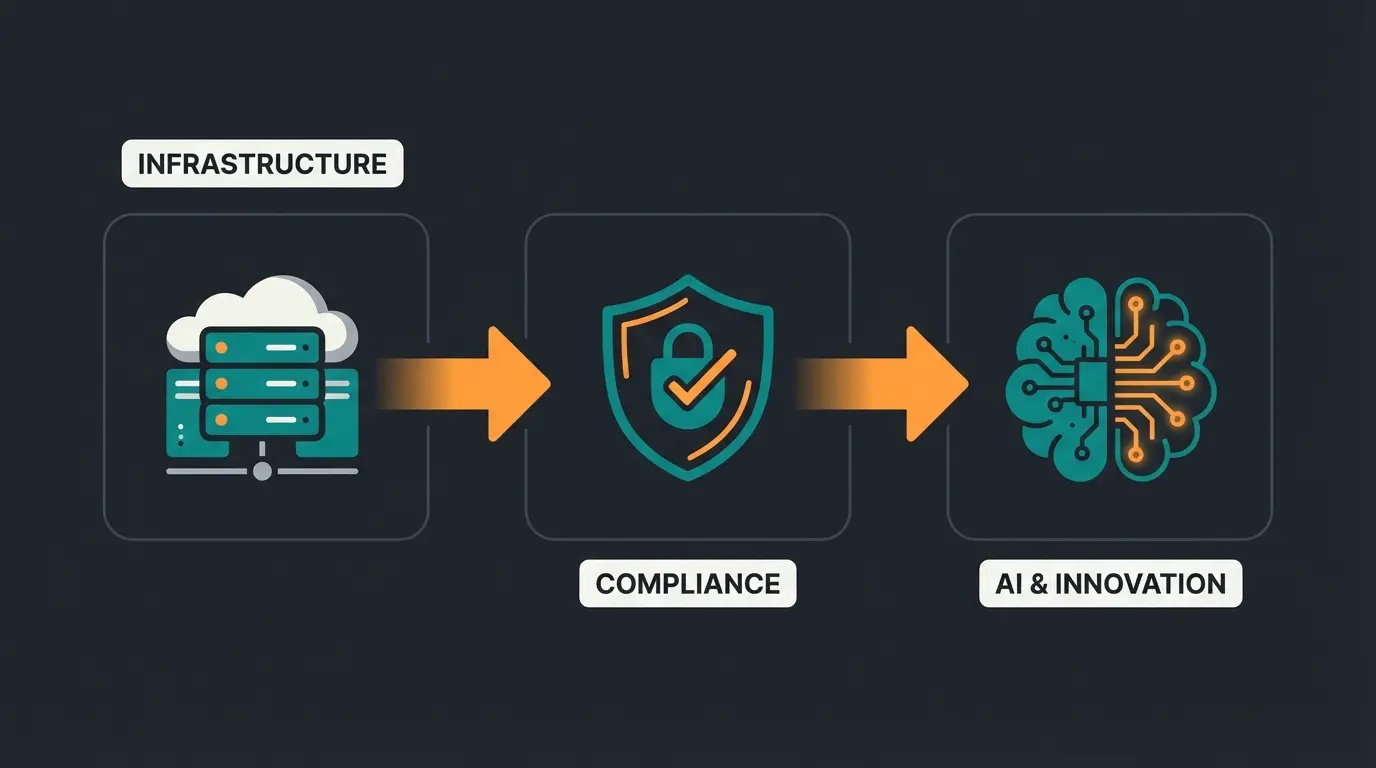
Phase 1: The Foundation (Technology)
- Choose Hosting: Select Managed Magento Hosting (e.g., Maxcluster). Ensure PHP 8.3+ support and Elasticsearch/OpenSearch compatibility for optimal performance.
- Select Edition: Start with Magento Open Source. Invest the saved licensing costs in development and AI capabilities instead.
- Frontend Selection: Use the Hyvä Theme. It's the new standard for performance and developer experience, delivering the fast load times modern customers expect.
- Plan for Scalability: Ensure your infrastructure can handle growth without requiring complete rebuilds.
Phase 2: Compliance (Legal Requirements)
- Consent Manager: Install a tool like Usercentrics or Cookiebot to handle cookie consent properly.
- Legal Texts: Integrate interfaces to IT-Recht Kanzlei or Händlerbund for automated legal text updates.
- Data Protection: Review all extensions for data transfer to third countries and ensure GDPR compliance across all touchpoints.
- Documentation: Maintain records of your data processing activities as required by GDPR.
Phase 3: Intelligence (Sales Enhancement)
- Product Data Quality: AI is only as good as your data. Maintain attributes (size, material, use case) cleanly in Magento with detailed descriptions.
- AI Integration: Look for solutions for "Conversational Commerce" or "Guided Selling" for Magento. Tools like specialized GPT integrations can serve as a foundation, as noted by wizzy.ai.
- Training: Feed the AI with your best sales arguments ("Why is this material better?") and product expertise from your team.
- Testing & Iteration: Continuously monitor AI performance and refine based on customer interactions and conversion data.
The integration of AI expert consultants represents a fundamental shift in how online retail operates. These aren't simple chatbots but sophisticated AI sales agents that understand your products as well as your best human employees.
Building a Consultant, Not Just a Shop
The market for Magento shops is saturated with technically solid but emotionally cold solutions. Top Google search results focus on license comparisons and agency hourly rates. That's important, but it's not what will make your shop successful in 2026 and beyond.
Your success lies in combining the flexibility of Magento Open Source with the power of modern AI consultation. Use the saved license fees (vs. Adobe Commerce). Use the saved frontend costs (thanks to Hyvä). Invest this budget in an AI Sales Consultant that takes your visitors by the hand and guides them through complex purchase decisions with expertise and patience.
A Magento online shop today is more than just a database with checkout functionality. It's your opportunity to offer the best expert consultation in your industry – 24/7, scalable, and in every browser. The merchants who recognize this shift and act on it will capture market share from competitors still relying on filter-based navigation alone.
Frequently Asked Questions About Magento Shops
Yes, Magento Open Source has zero licensing fees. However, 'free' refers only to the software license. You'll still need to budget for hosting (€200-500/month), development, maintenance, and security updates. The total cost of ownership is significantly lower than Adobe Commerce, but it's not a zero-cost solution.
Magento Open Source is the free, community-driven version with full source code access. Adobe Commerce (formerly Enterprise Edition) costs $22,000-$125,000+ annually and includes cloud hosting, B2B features, and Adobe Sensei AI. For most SMBs, Open Source with third-party AI tools offers better value.
Absolutely. Third-party AI solutions integrate via API with Magento Open Source, often providing more advanced conversational AI and guided selling capabilities than Adobe Sensei. These specialized tools focus specifically on sales consultation rather than just backend analytics.
A basic MVP takes 2-3 months with an experienced team. A professional mid-market implementation typically requires 4-6 months. Enterprise-level projects with complex integrations can take 6-12 months. Using the Hyvä Theme can reduce frontend development time by 30-40%.
Magento Open Source is powerful but complex. For very small businesses with limited budgets and simple needs, platforms like Shopify might be more appropriate. Magento excels for mid-market merchants with 1,000+ products, complex catalogs, or specific customization requirements that justify the investment.
Visual Resources for Your Magento Strategy
To help visualize the concepts discussed in this guide, consider these strategic frameworks for your planning process:
- Evolution Timeline: Map your customer journey from basic category navigation (2010) through filter-based search (2018) to AI-guided consultation (2026) to identify where your shop currently stands.
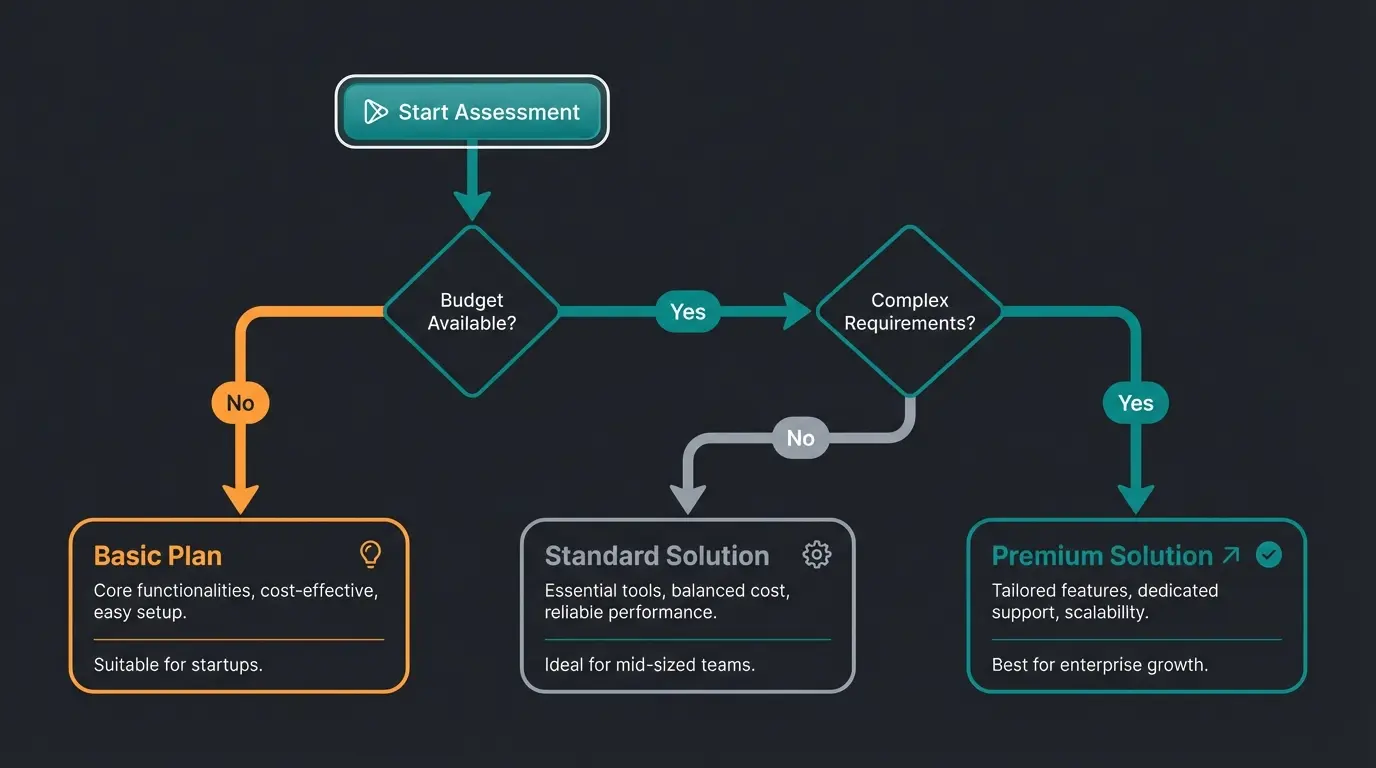
- Decision Matrix Flowchart: Create a visual guide asking "Which Magento version do I need?" with decision points like "Do you have €50K/year for licenses?" leading to recommendations for Open Source + third-party AI tools.
- ROI Calculator: Build a comparison showing Total Cost of Ownership for Adobe Commerce versus Magento Open Source plus specialized AI tools over a 3-year period.
Join hundreds of forward-thinking merchants who have transformed their Magento stores from static catalogs into interactive sales consultants. Our AI solution works seamlessly with Magento Open Source – no Adobe Commerce license required.
Get Started Today
Lasse is CEO and co-founder of Qualimero. After completing his MBA at WHU and scaling a company to seven-figure revenue, he founded Qualimero to build AI-powered digital employees for e-commerce. His focus: helping businesses measurably improve customer interaction through intelligent automation.