
Why Your Magento Store Looks Great But Doesn't 'Speak'
When you search for Magento design today, you're flooded with thousands of options. Marketplaces like ThemeForest offer visually stunning Magento themes for less than €100. Agencies promise custom-tailored UX miracles. Yet despite this abundance of visual perfection, many online stores suffer from a fundamental problem: they're mute.
In the DACH region (Germany, Austria, Switzerland), e-commerce standards are exceptionally high. Customers expect not just trust and speed, but also clarity. However, the traditional understanding of web design—shifting pixels, adjusting colors, and selecting a Magento template—falls short of meeting 2026 requirements.
We stand at the threshold of a new era. Modern design is no longer defined by static grid layouts but by the interaction layer. While your competition debates whether the 'Add to Cart' button should be green or orange, market leaders are revolutionizing their stores through AI-First Design. They're transforming static catalogs into dynamic consultation conversations. Similar to how Shopware themes for 2025 are evolving, Magento design must embrace this paradigm shift.
This article is your guide to rethinking Magento design: Away from mere 'beautification' toward architecting an intelligent sales machine that understands, advises, and converts your customers. According to humcommerce.com, this shift represents the most significant change in e-commerce design philosophy in the past decade.
The 3 Pillars of Modern Magento Design
To remain competitive in 2026 and beyond, your store must stand on three indispensable pillars. A Magento theme alone typically covers only the first pillar. Understanding all three is essential for creating a truly effective e-commerce presence that drives conversions.
1. Visual Hierarchy (The 'Theme')
This is what most people understand when they hear 'design.' It encompasses aesthetics, branding, and layout. However, the approach to visual hierarchy is fundamentally changing.
- Minimalism & Dark Mode: Trends for 2025 show a clear movement toward minimalist layouts ('Less Clutter, More Clarity') and the integration of Dark Mode as a standard feature, not just a gimmick, as reported by webwave.me
- The Problem with Standard Templates: A purchased Magento template is often generic. It feels 'cold.' It lacks emotional connection. Visual hierarchy today must mean directing the user's gaze not to colorful banners, but to the solution to their problem
- Thumb-Friendly Design: According to themedialab.me, mobile-first visual design must prioritize easy thumb navigation and accessible touch targets
2. Technical Performance (The 'Engine')
Design is nothing without speed. Google Core Web Vitals are now a direct ranking factor and an essential component of user experience (UX). Your beautiful design means nothing if users abandon the page before it loads.
- Hyvä vs. Luma: The standard Magento theme 'Luma' is now considered outdated and slow. The new standard is Hyvä. Hyvä massively reduces frontend complexity (from hundreds of JS files to just a few), cutting load times in half and enabling Google Lighthouse scores of 90+, according to vdcstore.com and meetanshi.com
- Mobile First & PWA: While Progressive Web Apps (PWA) remain exciting for enterprise solutions with massive budgets, Hyvä often offers better ROI for mid-market businesses at equivalent speeds, as noted by elogic.co
- Design Implication: A 'heavy' design with too many animations kills your conversion rate. Performance is design
Understanding how AI boosts mobile experiences becomes crucial when optimizing your Magento store's technical foundation. The intersection of AI and performance optimization creates unprecedented opportunities for conversion improvement.
3. Conversational UX (The 'Consultant')
Here lies your greatest opportunity—your 'Blue Ocean.' This is where forward-thinking merchants can differentiate themselves from the competition.
- Consultation as Design: Most stores leave customers alone with thousands of products. Modern design integrates AI-powered consultation directly into the user interface, as explained by eoxysit.com
- No Pop-up: We're not talking about annoying chat bubbles in the bottom right corner. We're talking about a search and filter bar that understands questions ('I need hiking boots for wide feet for the Alps in winter') and dynamically adjusts the results page (PLP) layout based on this query
- Natural Language Processing: The future of e-commerce navigation lies in understanding customer intent, not just keyword matching
This conversational approach mirrors what's happening with interactive AI consultations across modern e-commerce platforms. The shift from passive browsing to active consultation represents the biggest UX evolution in years.
Complex navigation menus, sidebar filters, information-dense layouts optimized for large screens
Hamburger menus, simplified interfaces, touch-friendly buttons, responsive design patterns
Conversational interfaces, dynamic content generation, personalized product discovery through natural language
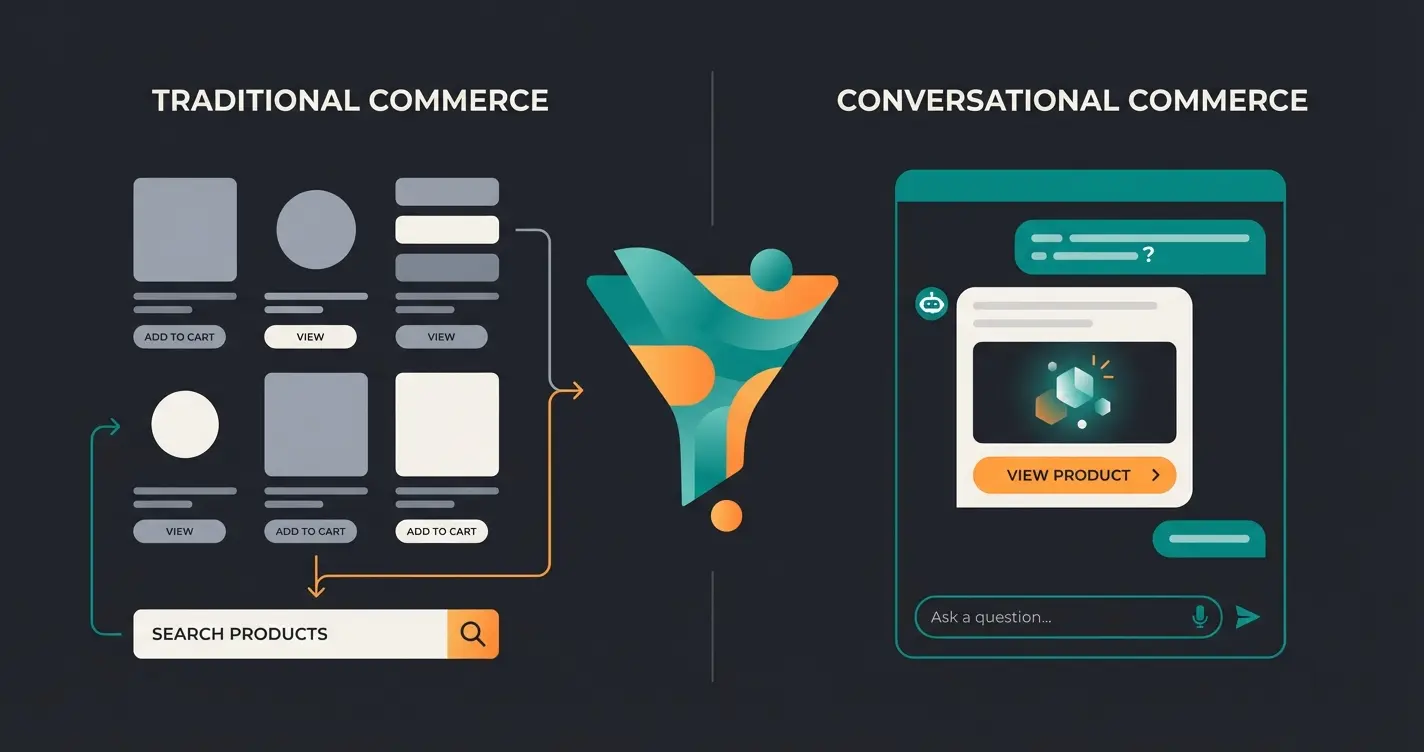
Magento Themes vs. Custom Design vs. AI-Enhanced Design
Many store owners face the choice: Buy an affordable template or commission an expensive agency? However, there's a third path that's often overlooked: AI-Enhanced Design. This approach combines the best of both worlds while adding intelligent interaction capabilities.
Here's the comparison that will help you with budget allocation and strategic decision-making:
| Feature | Magento Theme (Ready-made) | Custom Design (Agency) | AI-Enhanced Design (Future) |
|---|---|---|---|
| Costs | Low (< €200 license + setup) | High (€20,000 - €100,000+) | Medium (Setup + Software license) |
| Time-to-Market | Very fast (Weeks) | Slow (Months) | Fast (Based on Hyvä/Standard) |
| Individuality | Low (Generic look) | High (Unique) | High (Through dynamic content) |
| User Experience | 'Search & Find' (Passive) | Optimized 'Search & Find' | 'Consult & Convert' (Active) |
| Performance | Often poor (Bloatware) | Depends on developer | Excellent (Usually Hyvä-based) |
| Maintenance | Problematic with updates | Resource-intensive | Scalable through SaaS components |
The Strategic Lever: You don't need a €50,000 custom design if you instead use a solid, fast technical foundation (like Hyvä) and invest the budget in the intelligence of the user interface. A store that looks 'plain' but perfectly advises customers often sells better than a design award winner that confuses visitors. This principle aligns with how you can customize Shopware design for maximum conversion impact.
Design for the German Market (Localization & Legal)
A Magento design that works in the USA can fail in Germany. The DACH market has specific requirements for trust and legal compliance that deeply impact layout decisions and design choices.
1. The Accessibility Strengthening Act (BFSG) 2025
Starting June 28, 2025, all newly launched e-commerce services must be accessible. There are no transition periods for online stores, as detailed by digitalmanufaktur.com and haerting.de. This is not optional—it's legally mandated.
- Design Consequence: Your color scheme must provide sufficient contrast ratios. Navigation must be keyboard-accessible. Images require descriptive alt texts
- Risk: A non-compliant design is subject to legal action starting mid-2025. Check your current theme for WCAG compliance now using tools like the Accessibility Checker mentioned by silberweiss.de
- Opportunity: Early compliance can become a competitive advantage as many competitors will scramble to meet requirements at the deadline
2. Strategically Place Trust Elements
German customers are security-conscious. 'Trust' isn't a footer element—it must happen in the visible area (Above the Fold). This fundamental difference from US design practices can make or break conversion rates.
- Placement: Integrate seals like Trusted Shops or TÜV not just in checkout, but subtly in the header or directly next to the 'Add to Cart' button on the Product Detail Page (PDP), as recommended by markop.de and phoenix-media.eu
- Privacy: The cookie consent banner is the first design element a customer sees in Germany. Design it to integrate harmoniously while remaining legally compliant (no nudging)
- Legal Links: Impressum and Datenschutz must be accessible with a single click from anywhere on the site
3. Clarity Over 'Salesy' Aesthetics
American designs often use aggressive colors and huge 'SALE' banners. In Germany, a factual, information-driven aesthetic often works better. Understanding these cultural nuances is essential for success in the DACH market.
- Product Data: Technical data sheets and detailed descriptions shouldn't be hidden in tabs but should be well-readable and structurally presented
- Information Density: German consumers expect comprehensive product information upfront rather than having to search for it
- Professional Tone: The design should convey competence and reliability rather than aggressive sales tactics
All e-commerce services must be fully accessible
German shoppers prioritize visible trust seals over visual aesthetics
German users expect mobile pages to load in under 2 seconds
Minimum WCAG AA compliance requirement for text readability
Stop losing customers to silent, static product pages. Discover how AI-enhanced design can turn your Magento store into a conversion powerhouse that actively consults and converts visitors.
Start Your Free TrialThe Future: Integrating AI Into Your Magento Layout
This is the section where you define your competitive advantage. While your competition is still comparing Magento themes, you're redesigning the interaction itself. The future of e-commerce belongs to stores that can actively engage customers in meaningful dialogue.
The End of Static Filters
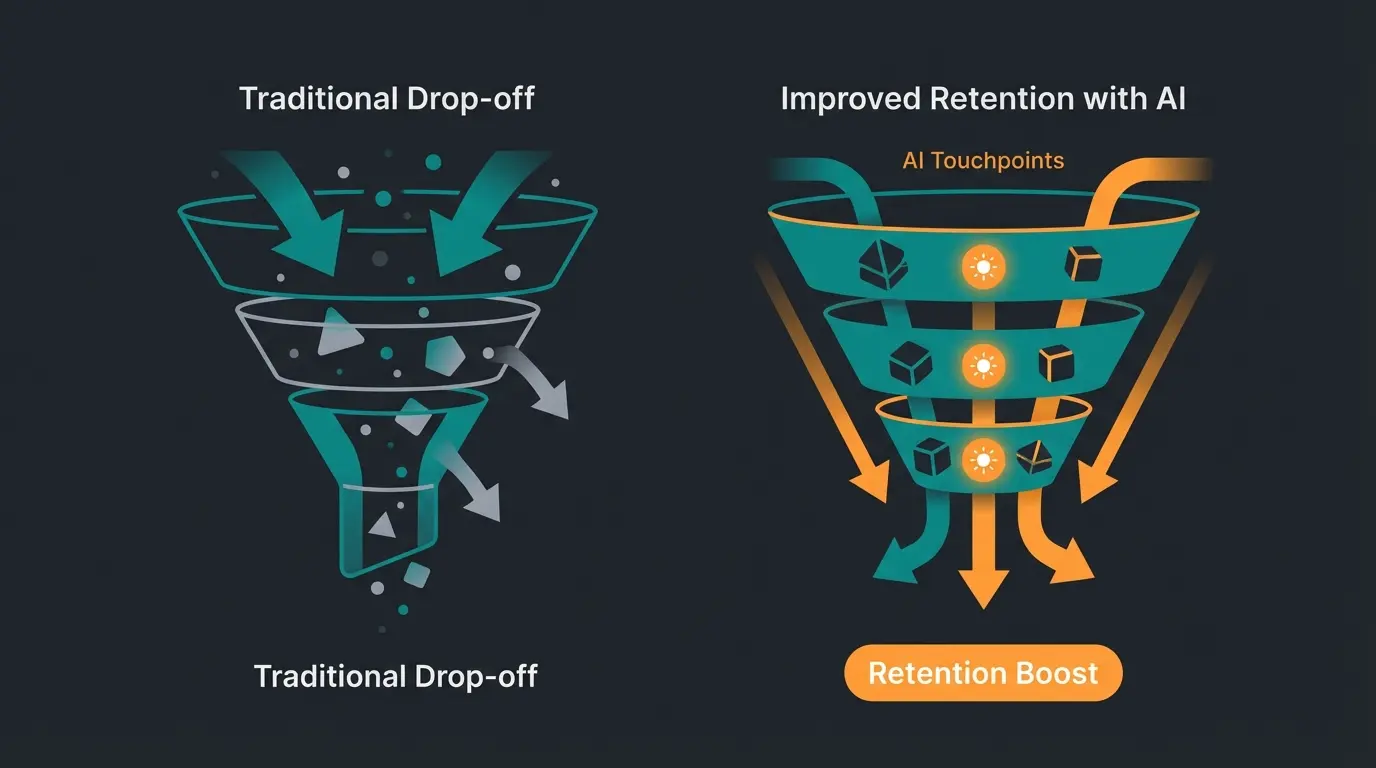
Traditional Magento designs use 'Layered Navigation' (the left sidebar with checkboxes). This is tedious, especially on mobile devices. Research from bsscommerce.com shows that mobile users abandon filter-heavy interfaces at significantly higher rates than desktop users.
The AI Solution:
Imagine the sidebar disappears. Instead, there's a prominent input field or voice control. This represents a fundamental shift in how customers interact with your product catalog.
- Customer: 'I'm looking for a gift for my wife, she likes red wine and Italian design, budget up to 50 euros.'
- AI-Design: The store doesn't just load a list. It generates a curated landing page on-the-fly
- Result: Headline: 'Italian Red Wine Recommendations Under €50'. Layout: Instead of 50 products, the top 3 options are displayed prominently, with an AI-generated explanation of why they fit ('This Chianti perfectly matches the design preference...')
This approach mirrors the success seen in AI product consultation implementations, where natural language understanding transforms the shopping experience. The difference in conversion rates between static and conversational interfaces is dramatic.
Product Consultation Design (PCD)
In a physical store, a salesperson approaches you. In an online store, the design must take over this role. This is where AI product consultation becomes a critical design element rather than just a feature.
- Micro-Interactions: When a customer hesitates on a product detail page (mouse movements, dwell time), the design should adapt dynamically
- Dynamic Content: An AI consultant window opens in context of the product (not as an overlay that covers content) and offers help: 'Unsure about the size? For this model, 80% of customers recommend ordering one size up.'
- Behavioral Triggers: According to hellorep.ai, AI can identify purchase intent signals and intervene with helpful information at precisely the right moment
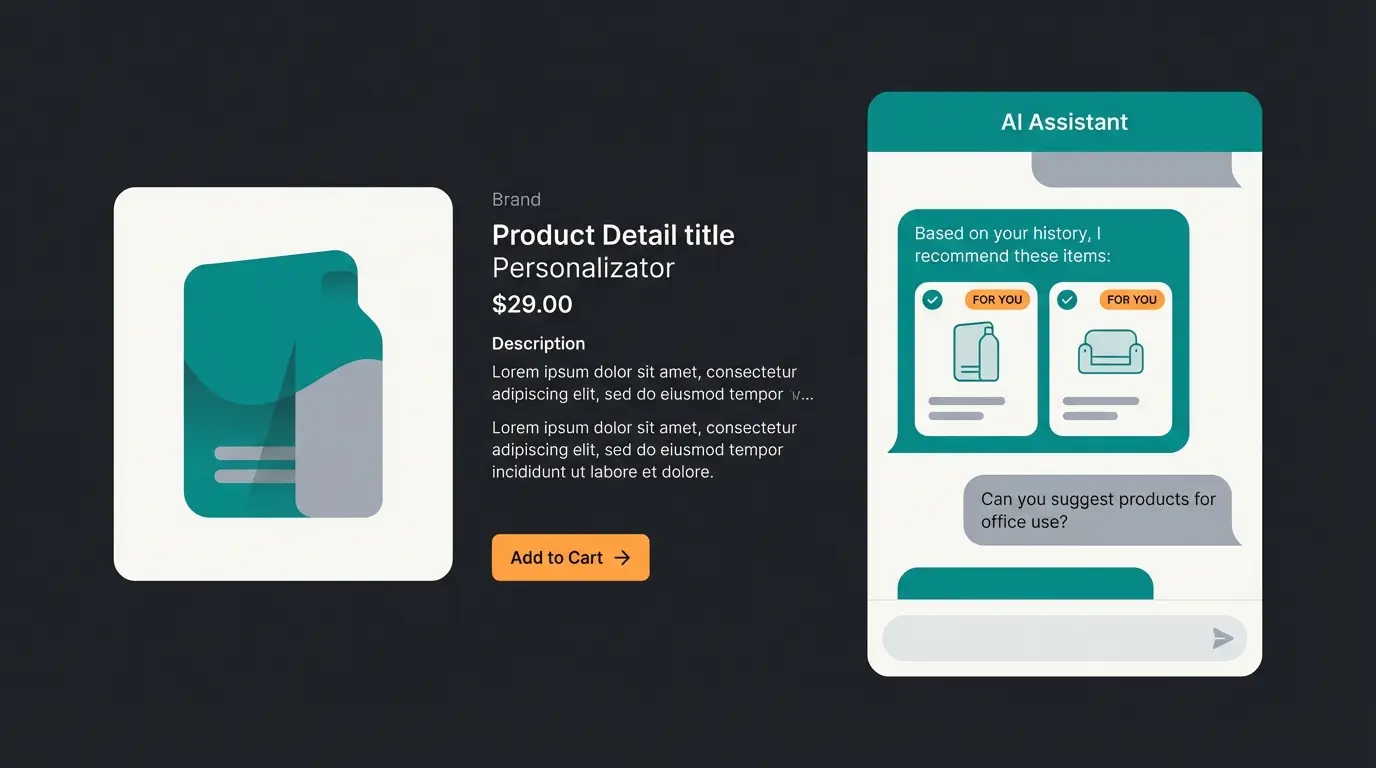
Static Filters vs. AI Consultation Comparison
Understanding the fundamental differences between traditional filtering and AI-powered consultation helps illustrate why this shift is so significant for conversion rates:
| Aspect | Static Filters | AI Consultation |
|---|---|---|
| User Effort | High - clicking multiple checkboxes | Low - typing one natural sentence |
| Personalization | Zero - same for all users | 100% tailored to individual needs |
| Mobile Experience | Clunky sidebars and dropdowns | Natural chat interface |
| Learning Curve | Must understand filter categories | Just describe what you need |
| Result Quality | Often overwhelming or too narrow | Curated, relevant recommendations |
This comparison targets the Magento template searchers who are frustrated with clunky mobile navigation. The data from medium.com confirms that personalization through AI dramatically outperforms traditional filtering approaches in terms of conversion and customer satisfaction.
Practical Implementation Tips
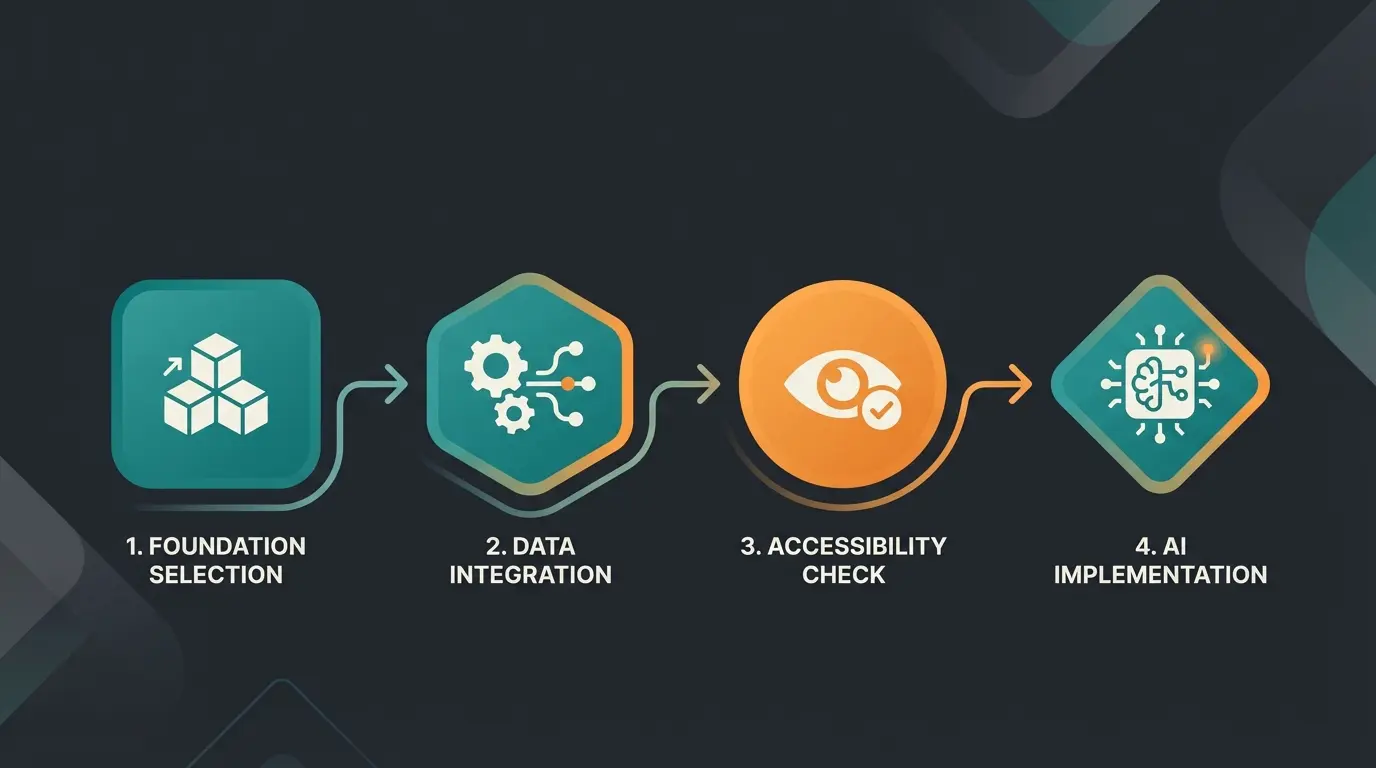
How do you implement this strategy in Magento? Here are concrete steps you can take today to begin the transformation toward AI-enhanced design:
Step 1: Choose Your Foundation
Start with Hyvä Themes. It's the future-proof, performant foundation you can build on. Avoid the old Luma theme entirely—it's simply not competitive anymore. As vdcstore.com explains, Hyvä's Alpine.js approach provides the modern JavaScript foundation needed for AI integration.
Step 2: Leverage Your Data
Use your existing customer data to train personalization. AI needs data to function effectively. The more historical purchase and browsing data you can provide, the better your AI consultation will perform. This principle is particularly important for specialized verticals like Shopware 6 for Home and garden retailers where product matching complexity is high.
Step 3: Verify Accessibility
Use tools like the Accessibility Checker to ensure your design is BFSG-compliant. This isn't optional in Germany—it's a legal requirement with real consequences for non-compliance. Schedule a comprehensive audit before June 2025.
Step 4: Implement AI Consultation
Consider how AI chatbots transforming e-commerce can be adapted for your specific product catalog. Start with your most complex product categories where customers need the most guidance—these will show the highest ROI from AI consultation implementation.
Store Design Evaluation Checklist
Use this checklist to assess whether your current Magento design is ready for 2026. Each section covers critical aspects that will determine your competitive position in the coming years.
1. Technical Foundation & Performance
- ☐ Core Web Vitals: Are all values (LCP, CLS, FID) in the green zone?
- ☐ Tech Stack: Are you still using Luma/RequireJS (outdated) or already Hyvä/Alpine.js (modern)?
- ☐ Mobile Speed: Does the store load on 4G networks in under 2 seconds?
- ☐ Image Optimization: Are images properly compressed and using modern formats like WebP?
- ☐ Caching Strategy: Is proper caching implemented for static assets and dynamic content?
2. User Experience & AI Integration
- ☐ Consultation Gap: Can customers ask questions, or must they click through filters?
- ☐ Search Function: Does the search understand natural language (NLP) or only keywords?
- ☐ Personalization: Does the homepage adapt to visitors (e.g., 'Welcome back')?
- ☐ Product Discovery: Can the AI surface relevant products based on stated needs?
- ☐ Conversation Flow: Is there a logical dialogue structure for complex purchase decisions?
The success story of how Gartenfreunde scaled with AI Employee demonstrates what's possible when these user experience elements come together effectively.
3. Localization & Trust (DACH Market)
- ☐ BFSG 2025: Is the store fully accessible (contrasts, screen reader support)?
- ☐ Legal Texts: Are Impressum and Privacy Policy reachable with one click?
- ☐ Trust Seals: Are quality seals placed in visible areas without cluttering the design?
- ☐ Payment Methods: Are German-preferred payment options prominently displayed?
- ☐ Cookie Consent: Is the banner compliant yet user-friendly?
Real-World Implementation Success
Understanding how AI consultation transforms e-commerce becomes clearer through practical examples. When implemented correctly, an AI Chatbot for E-Commerce can handle complex product queries that would otherwise require human intervention or result in abandoned sessions.
The key insight is that AI doesn't replace good design—it enhances it. A well-designed AI consultation interface becomes an integral part of the visual hierarchy, guiding users naturally toward conversion while providing genuine value through personalized recommendations. This is where AI product finder technology really shines.
Frequently Asked Questions
A Magento theme is a pre-built template you can purchase and customize minimally, typically costing under €200. Custom design involves hiring an agency to build a unique store from scratch, costing €20,000-€100,000+. The key difference lies in uniqueness, time-to-market, and ongoing maintenance requirements. However, AI-enhanced design offers a third path: using a performant base theme like Hyvä while investing in intelligent interaction capabilities.
Absolutely. Hyvä dramatically reduces frontend complexity, cutting load times by up to 50% and enabling Google Lighthouse scores of 90+. While Hyvä requires a license fee and potentially developer training, the performance improvements directly impact SEO rankings, user experience, and conversion rates. For any store serious about competing in 2025/2026, Luma is no longer a viable option.
AI consultation transforms passive browsing into active engagement. Instead of forcing customers to navigate complex filter menus, they can simply describe what they need in natural language. The AI understands intent, asks clarifying questions, and presents curated recommendations. This mimics the in-store sales associate experience, reducing decision paralysis and increasing purchase confidence.
The Barrierefreiheitsstärkungsgesetz (Accessibility Strengthening Act) requires all e-commerce services to be accessible by June 28, 2025. Requirements include sufficient color contrast ratios (minimum 4.5:1 for text), keyboard navigation support, screen reader compatibility, and descriptive alt texts for images. Non-compliance can result in legal action and fines.
Yes, AI consultation can be integrated into existing Magento stores as an additional layer. However, for optimal performance, it's recommended to first upgrade to a modern technical foundation like Hyvä. The AI components typically function as SaaS integrations, meaning they can be added without rebuilding your entire store from scratch.
Conclusion: Design Is Function, Not Decoration
The search for the perfect Magento theme is understandable, but it solves the wrong problem. In 2026, the winner isn't the store with the prettiest banners, but the store that best dissolves the barrier between human and machine.
By building on a performant foundation like Hyvä, taking the legal requirements of the BFSG seriously, and—most importantly—understanding AI as a central design element for consultation and interaction, you create more than just an online store. You create a digital sales space that understands your customers.
The evolution mirrors what's happening with interactive AI consultations across all major e-commerce platforms. Those who embrace this shift early will capture market share from competitors still debating button colors and banner placements.
Are you ready to transform your Magento store from a mute catalog into an intelligent advisor?
Join forward-thinking e-commerce leaders who are already converting more visitors through intelligent, conversational store design. See how AI consultation can transform your Magento store's performance.
Get Started Free
Lasse is CEO and co-founder of Qualimero. After completing his MBA at WHU and scaling a company to seven-figure revenue, he founded Qualimero to build AI-powered digital employees for e-commerce. His focus: helping businesses measurably improve customer interaction through intelligent automation.