The "Deflection Trap" and Untapped Revenue Potential
When you think of Intercom AI, what's the first image that comes to mind? Most likely, it's a chatbot intercepting support tickets ("deflection") and providing customers with links to help articles. That's the standard approach. And therein lies both the problem—and your massive opportunity.
In 2026, the landscape of Intercom artificial intelligence has transformed dramatically. While 90% of companies use AI to cut costs and reduce support volume, they're completely overlooking the most revenue-generating use case: Consultative Sales. This is where AI selling is revolutionizing how businesses interact with potential customers.
Most AI implementations are reactive. A customer has a problem, the AI solves it. But what about the customer who doesn't have a problem yet—they're looking for a solution? The customer asking: "Which plan best fits my 5-person team?" or "Is your software compatible with my legacy database?"
If your AI simply spits out a static help article in response, you've likely already lost that lead. According to eesel.ai, modern AI agents need to go beyond simple retrieval to deliver real business value.
In this comprehensive guide, we go beyond standard documentation. We analyze the current state of Intercom machine learning (specifically Fin 3), illuminate the critical GDPR aspects for the DACH region, and show you step-by-step how to transform Intercom from a "librarian" searching for articles into a "product consultant" that actively sells. The difference between a reactive support bot and proactive AI product consultation is where competitive advantage lies.
The Current State: Intercom AI (Fin) in 2026
Before we change strategy, we need to understand the tool. Intercom's AI flagship is called Fin. It's no longer just a simple chatbot—it's a highly sophisticated AI agent built on modern Large Language Models (LLMs) like GPT-4, specifically optimized for customer service.
What is Fin AI Agent?
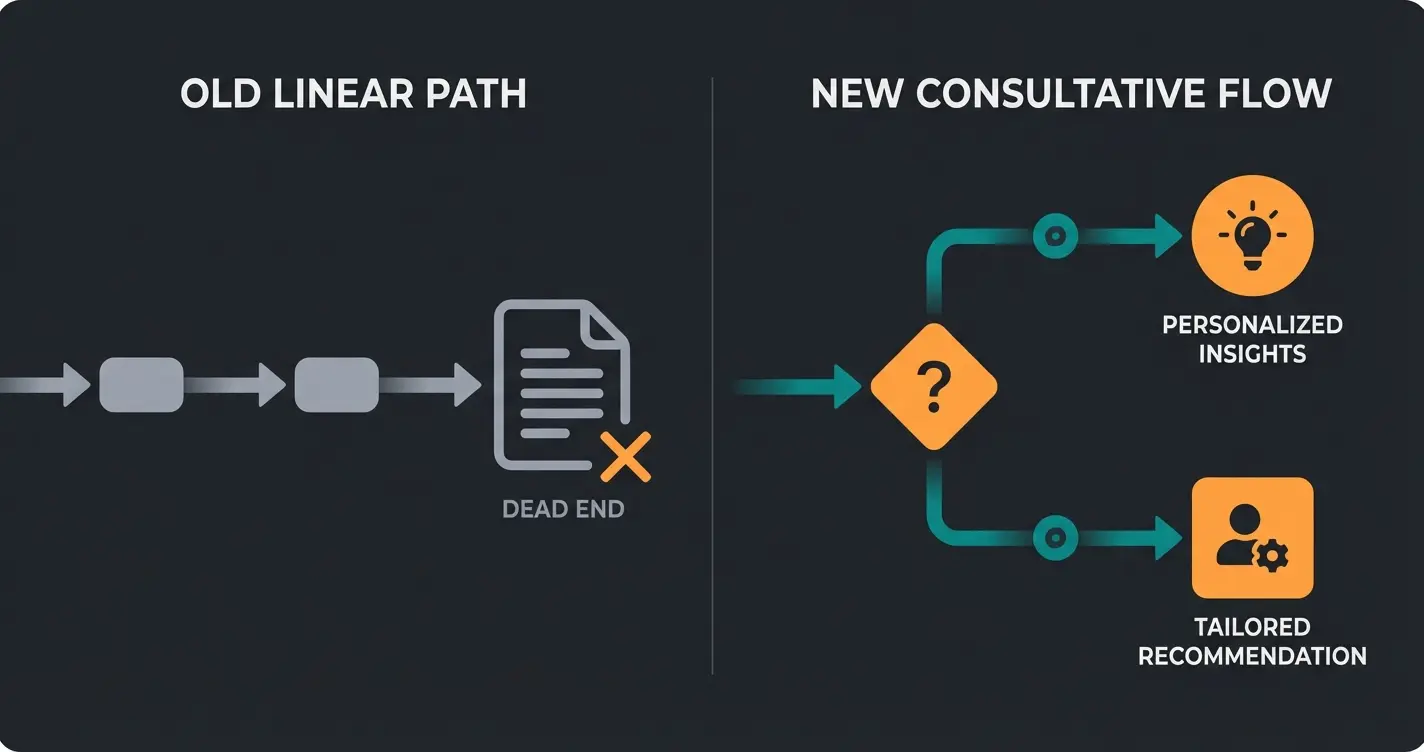
Fin is an AI agent that understands natural language and can solve complex inquiries by accessing your existing knowledge base (Help Center, internal documents, PDFs). Unlike old rule-based bots that hit dead ends, Fin uses Retrieval-Augmented Generation (RAG). This means it searches for relevant information, understands context, and formulates a human-like response. As fin.ai explains, this architecture enables far more nuanced and helpful responses than traditional chatbots.
The Evolution to Fin 3: New Features for Complex Tasks
With the update to Fin 3 (as of late 2025/2026), Intercom introduced features crucial for our "consultant approach":
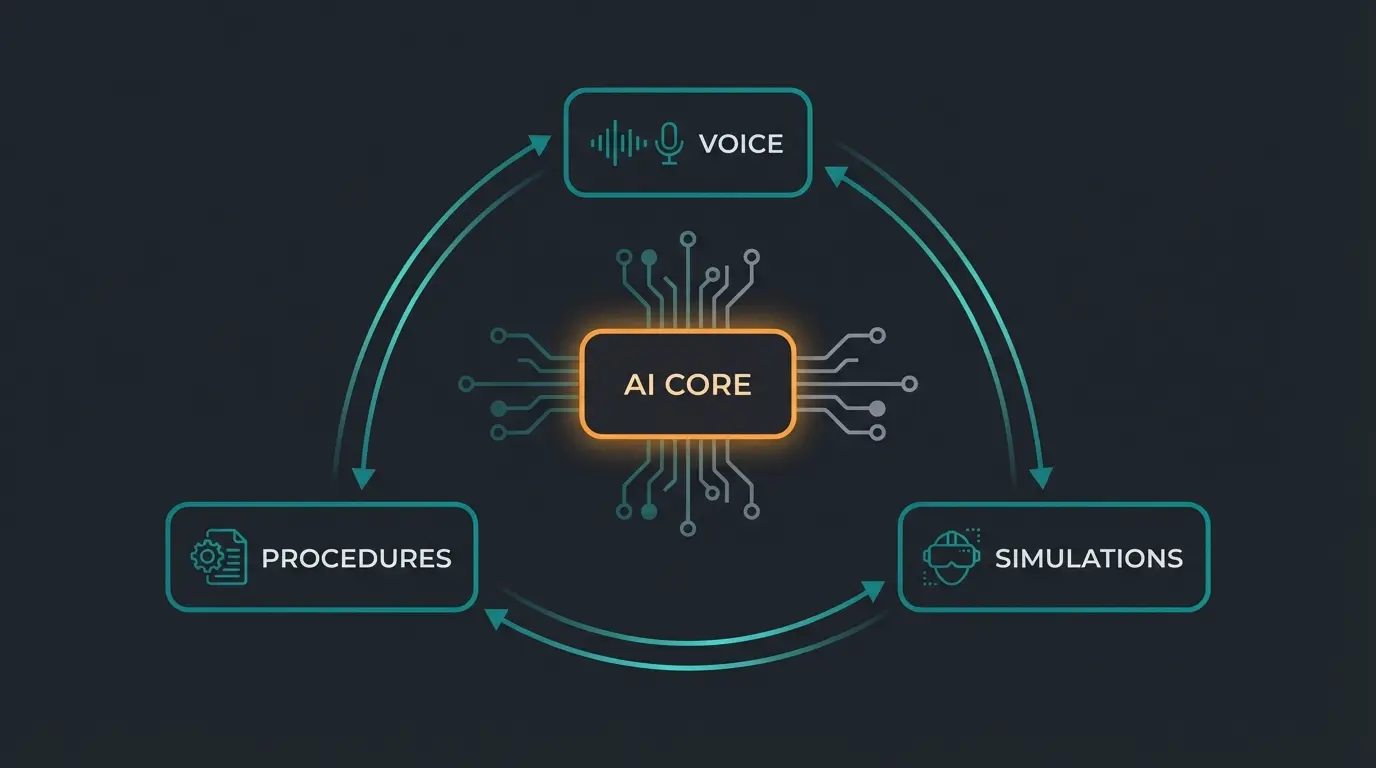
- Procedures: This is the game-changer. Instead of just generating text, Fin can now follow strict "if-then" rules and multi-step processes. You can train Fin like a new employee: "If the customer asks for a refund, first check the purchase date. If it's less than 30 days, approve it." As detailed in Intercom's documentation, this enables deterministic logic within natural conversations.
- Simulations: You can now simulate complete conversations before the bot goes live. This is essential for testing sales conversations without burning real leads. According to fin.ai, simulation testing dramatically reduces deployment risk.
- Fin Voice: Fin can now handle phone support calls, which is important for omnichannel strategies. As destinationcrm.com reports, voice AI is becoming essential for comprehensive customer engagement.
- Multilingual Support: Fin supports over 45 languages and translates messages in real-time, which is vital for internationally operating German companies. This capability documented by Intercom makes global expansion seamless.
The Pricing Model: Cost-per-Resolution
A frequent point of criticism and confusion is the pricing. Intercom doesn't charge Fin per seat, but per Resolution. According to eesel.ai and featurebase.app, understanding this model is crucial for ROI calculations.
- Cost: $0.99 per successful resolution as confirmed by fin.ai
- What counts as a resolution? A resolution is charged when Fin delivers an answer and the customer either confirms it helped (thumbs up), or leaves the conversation without requesting a human agent. eesel.ai provides detailed breakdowns of resolution metrics.
- Important: If Fin hands off to a human, you pay nothing for the AI interaction. This makes the model low-risk for starting, but potentially expensive at very high volume when automation rates increase. ibbaka.com and saaspricepulse.com offer excellent cost analysis frameworks.
Pay only for successful AI interactions
Real-time multilingual conversations
Typical AI deflection performance
Always-on customer engagement
The Gap: Support Agent vs. Product Consultant
Here lies your differentiation opportunity. 95% of Intercom users deploy Fin as a "gatekeeper" to keep tickets away from the support team. We want to deploy Fin as a "receptionist" and "salesperson" instead. Understanding how AI Customer Service differs from AI-driven sales is crucial for this transformation.
The Fundamental Difference: Retrieval vs. Reasoning
The core distinction between a support bot and a product consultant comes down to how they process and respond to customer inquiries. This is where the real AI capabilities of modern systems become apparent.
| Feature | Support Bot (Standard Fin) | Product Consultant (Your Goal) |
|---|---|---|
| Primary Goal | Ticket Deflection (Avoidance) | Conversion & Lead Qualification |
| Data Source | Help Center Articles (FAQ) | Sales Playbooks, Product Databases |
| Interaction Style | Reactive ("Here's the article") | Proactive ("What do you want to achieve?") |
| Success Metric | Resolution Rate | Pipeline Value / Booked Demos |
| AI Mode | Retrieval (Search & Find) | Reasoning (Analyze & Recommend) |
Why Intercom "Out-of-the-Box" fails here: By default, Fin is trained to give answers. But a good salesperson doesn't immediately give answers—they first ask questions. When a customer asks: "What does your software cost?", the standard bot would say: "Here's our pricing page." A consultant bot needs to say: "That depends on your requirements. How large is your team and what integrations do you need?"
To achieve this, we need to deliberately steer the Intercom machine learning capabilities toward consultative behavior. This is exactly where digital sales consultants create massive value.
Strategy: How to Build an AI Product Consultant
To transform Intercom AI into a consultant, we need a three-stage strategy that leverages the new features of Fin 3. This approach mirrors how AI agents are deployed in enterprise environments.
Step 1: The Content Audit (Away from FAQ)
Fin is only as smart as the content it's fed. Support articles are often dry and technical ("How to install X"). For a consultant, you need Sales-Enablement-Content. This is the foundation that digital product consultants rely on for effective customer engagement.
- Create "Buying Guides": Write articles that don't explain features, but provide decision-making assistance. Titles like "Enterprise vs. Pro Plan: Which Fits You?" are gold.
- Use Snippets: Use Intercom Snippets for short, concise sales arguments that Fin can incorporate into responses.
- Build Comparison Content: Create detailed feature comparison tables that help customers self-qualify based on their needs.
- Document Use Cases: Develop scenario-based content that helps Fin recommend solutions based on customer situations.
Step 2: The Reasoning Layer with Fin Procedures
Here's where the magic of Fin 3 Procedures comes into play. Instead of simply unleashing Fin on your documents, you define a guided path. This approach is similar to how you'd build a consultative sales bot that actually understands customer needs.
These Procedures allow you to combine natural language with deterministic logic. They force the AI to "think" (reasoning) before it speaks—just like a well-trained sales representative would. This is the key principle behind effective AI consultation implementations.
AI identifies sales intent in customer inquiry
AI asks clarifying questions about needs, budget, team size
AI evaluates responses against product matrix
AI provides personalized solution with clear next steps
AI books demo, captures lead, or routes to human
Step 3: Custom Actions for Real Interaction
A consultant who only talks is nice. A consultant who acts is valuable. Use Custom Actions (previously often solved via Apps or Webhooks) to give Fin access to your backend systems. Intercom's documentation details how to implement these integrations.
- Inventory Check: Customer: "Do you have this in blue?" → Fin checks via API in the Shopify/ERP system for stock levels → Fin: "Yes, there are still 3 pieces in stock." According to eesel.ai, real-time data access dramatically improves customer experience.
- Lead Capture: When the customer shows interest, Fin can directly enter the data as a lead in Salesforce or HubSpot, without a human having to type anything. Intercom enables seamless CRM integration.
- Pricing Calculator: Connect to your pricing engine to provide real-time, customized quotes based on customer specifications.
- Calendar Integration: Allow Fin to book demos directly into sales team calendars without human intervention.
Imagine Intercom as the interface. Fin Procedures are the brain that decides which question to ask. Custom Actions are the hands that fetch data from your CRM or shop. This architecture is what distinguishes basic AI Chatbot for customer service from true consultative selling.
Stop deflecting customers—start converting them. Our AI consultation platform helps you build intelligent product advisors that qualify leads and drive sales 24/7.
Start Your Free TrialCritical for Germany: Data Privacy & AI (GDPR)
For German companies, the question of data privacy is often the "showstopper." With Intercom artificial intelligence, there are important nuances here that are often missing in US reviews.
Server Location: EU vs. USA
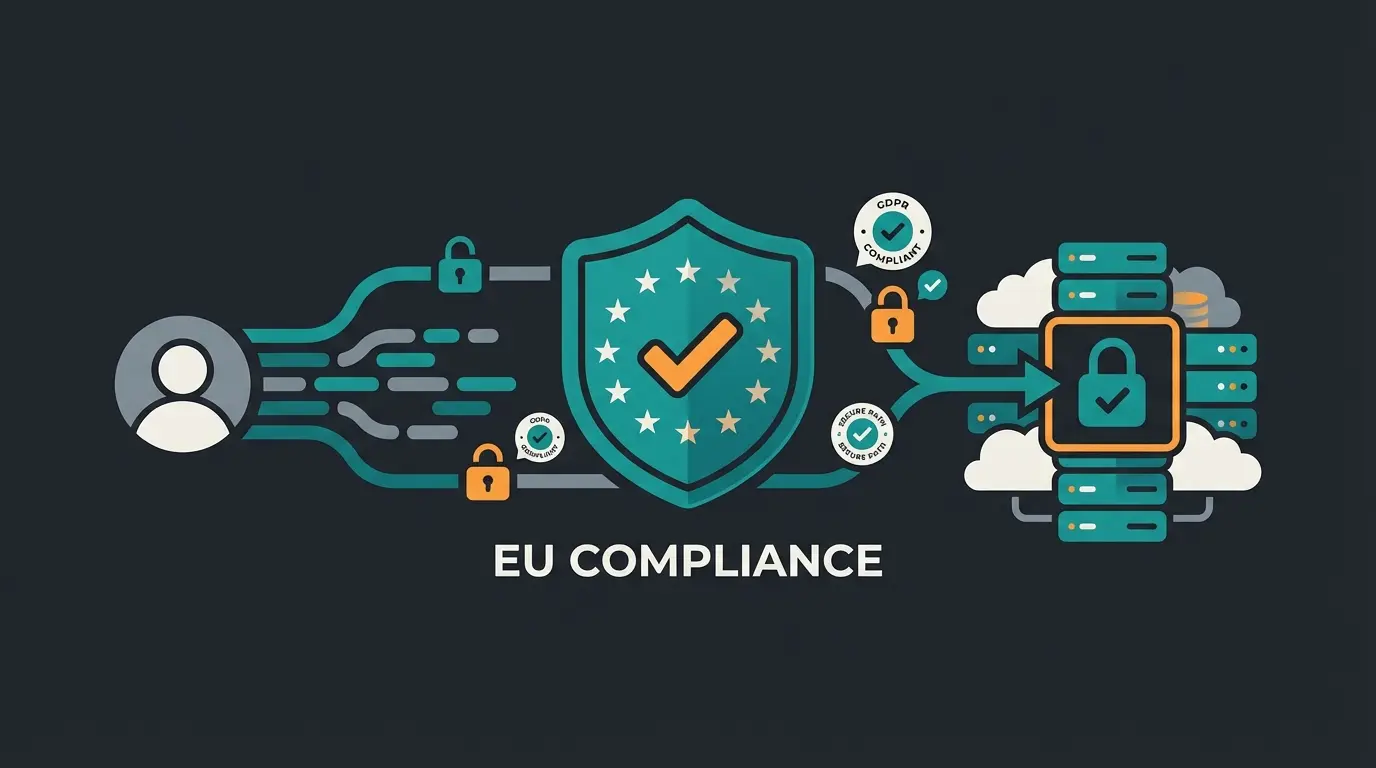
Intercom offers Regional Data Hosting in the EU (AWS servers in Dublin, Ireland). This is a huge plus for GDPR compliance. As Intercom confirms, EU hosting is available for customers requiring data residency.
But be careful: There are limitations. According to eesel.ai and Intercom's data hosting documentation, there are several considerations:
- Not everything stays in the EU: While conversation data and visitor data are stored in Dublin, billing data and certain account metadata are often still processed in the USA.
- No migration: You cannot simply "move" an existing US workspace to Europe. You must open a new workspace and migrate, which requires manual effort.
- Sub-processors: Intercom uses sub-processors (like OpenAI for Fin). You must ensure that your Data Processing Agreement (DPA) with Intercom covers these chains. Intercom has specific clauses for this and uses Standard Contractual Clauses (SCCs). This is detailed in Intercom's privacy documentation and DPA terms.
PII Masking (Personal Data Protection)
A common risk with AI is that customers type credit card data or health information into the chat. Intercom offers PII Redaction (Personal Identifiable Information) for this. Fin can be configured so that credit card numbers and other sensitive data are automatically masked before being sent to the LLM or stored in the conversation history. According to Intercom's security documentation, PII redaction is essential for compliance.
Comparison: Standard Setup vs. Consultative Setup
To clarify the added value of your new strategy, here's a direct comparison. Understanding these differences is crucial for anyone deploying digital expert consultants in their organization.
| Criterion | Intercom Fin (Standard / Out-of-the-Box) | Intercom Fin (Consultative Strategy) |
|---|---|---|
| Setup Time | < 1 hour (Point & Click) | 1-2 weeks (Content Audit & Logic Design) |
| Training | Automatic via URL Crawl | Manual via Procedures & Guidance as per Intercom documentation |
| Behavior | Passive: Waits for questions | Active: Asks qualification questions |
| Data Integration | Only static text (KB) | Dynamic via Custom Actions (API) |
| ROI Focus | Cost savings (Support) | Revenue growth (Sales) |
| Suitable For | B2C, E-Commerce Support, FAQs | B2B SaaS, High-Ticket Sales, Consulting |
Practical Tips for Implementation
Before you start, here are three "pro tips" from practice to avoid stumbling blocks. These insights come from real-world deployments of consultative AI systems.
1. Start with Fin Guidance
Before building complex Procedures, use the "Fin Guidance" feature. Here you can define rules in natural language like "Never mention Competitor X" or "When someone asks about prices, always be transparent, but point out the volume discount." According to Intercom's guidance documentation and training resources, this is the fastest way to teach the AI your "brand voice." This feature as detailed by Intercom provides incredible flexibility.
2. Human Handover Is Sacred
Don't try to automate 100% of the sale. The AI is the preparer (SDR). As soon as the customer has complex emotional objections or wants to buy, the "Route to Human" process must work seamlessly. Fin has excellent routing rules for this. G2 reviews consistently highlight handover capabilities as a key strength. As eesel.ai notes, knowing when to escalate to humans is as important as automation itself.
3. Test with Simulations
Use the new Simulations feature of Fin 3. Let the AI compete against simulated "difficult customers" to see if it hallucinates or loses patience before unleashing it on real leads. This testing approach ensures your AI Chatbots transform customer interactions positively rather than creating frustration.
The Tech Stack: Building Your Consultative AI Layer
A visual understanding of how the components fit together helps clarify the implementation path. Think of it as building blocks that work together to transform standard support AI into a revenue-generating consultant.
Intercom provides the customer-facing widget and conversation management
Fin Procedures define the reasoning logic and conversation flows
Custom Actions connect to CRM, inventory, pricing, and calendar systems
Analytics and Simulations enable continuous improvement of conversion rates
Conclusion: From Defense to Offense
Intercom AI in 2026 is far more than a tool to get rid of annoying support tickets. With the introduction of Fin 3, Procedures, and Custom Actions, you have a powerful toolkit to create a digital sales representative that's available 24/7, never sleeps, and (thanks to $0.99/resolution) works unbeatable cheaply.
The key to success doesn't lie in the technology itself, but in your strategy. Stop seeing AI only as a "deflection tool." Start using Intercom machine learning as a "conversion engine."
Your Next Steps
- Check whether you're on an EU workspace (for GDPR security).
- Identify your top 5 sales questions that customers frequently ask.
- Build your first "Procedure" in Intercom to not just answer these questions, but actively consult the customer.
- Set up simulation tests to validate your consultative flows before going live.
- Integrate Custom Actions to enable real-time data access and lead capture.
The technology is ready. Are you?
Frequently Asked Questions About Intercom AI
Intercom Fin uses a cost-per-resolution pricing model at $0.99 per successful resolution. A resolution is counted when Fin provides an answer and the customer either confirms it helped or leaves without requesting a human agent. If the conversation is handed off to a human, you pay nothing for the AI interaction. This makes it particularly cost-effective for sales qualification use cases where a successful conversion justifies the cost many times over.
Intercom offers Regional Data Hosting in the EU (AWS servers in Dublin, Ireland), making it possible to achieve GDPR compliance. However, some data like billing information may still be processed in the US. You should use an EU-hosted workspace, enable PII masking, ensure your DPA covers AI sub-processors like OpenAI, and update your privacy policy to disclose AI agent usage. Migration from US to EU workspaces requires creating a new workspace.
Yes, but it requires strategic configuration. Out-of-the-box, Fin is optimized for support ticket deflection. To use it for sales consultation, you need to: (1) Create sales-enablement content like buying guides instead of just FAQ articles, (2) Build Fin Procedures that ask qualifying questions before providing recommendations, and (3) Set up Custom Actions to connect to your CRM, inventory, and pricing systems for real-time data access.
Fin Guidance allows you to set high-level rules in natural language (e.g., 'Never mention competitors' or 'Always offer to book a demo'). Fin Procedures are more structured, allowing you to create multi-step conversation flows with if-then logic, qualification questions, and specific outcomes. Guidance is faster to set up for brand voice consistency, while Procedures enable complex consultative sales conversations.
Use Fin 3's Simulations feature to test conversations before going live. Configure Procedures with strict logic paths rather than relying solely on open-ended generation. Enable PII masking to prevent sensitive data from being processed incorrectly. Set up clear handoff rules to human agents for complex or high-stakes conversations. Regularly audit conversation logs and use the feedback to refine your knowledge base and Procedures.
Transform your Intercom implementation from cost center to revenue driver. See how our platform helps you build consultative AI experiences that qualify leads, recommend products, and drive conversions around the clock.
Get Started Free Today