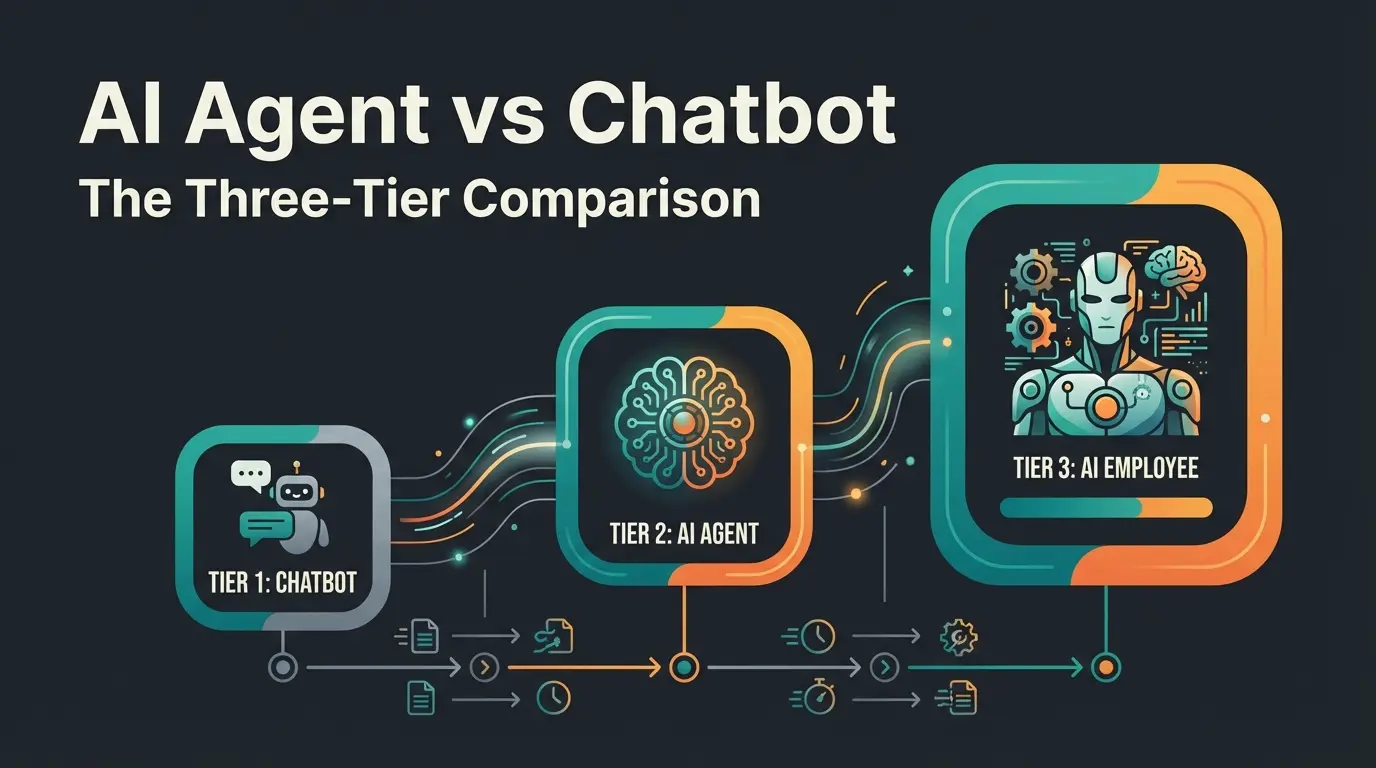
WhatsApp Bot for Business: Beyond Support – Your 2026 Sales Guide
Learn how WhatsApp bots transform customer support into AI-powered sales consultants. Complete 2026 guide covering automation, GDPR compliance & guided selling.

The End of the Empty Store Experience
Imagine walking into a store and finding no one there. You have a question about a product, you're looking for a specific size, or you need a recommendation for your sensitive skin. No one answers. You leave.
This exact scenario plays out thousands of times daily on websites across the globe. Customers are ready to buy, but they have one final, decisive question – and they end up in an FAQ desert or an email form that promises "response within 24 hours." In 2026, that's simply too slow.
This is where the WhatsApp bot enters the picture. But we're not talking about the dumb robot from the past that trapped you in endless loops. We're talking about the new generation: AI-powered assistants that don't just process support tickets, but actively sell, consult, and truly understand. As AI chatbots transform e-commerce, businesses that fail to adapt risk losing customers to competitors who offer instant, intelligent responses.
In this comprehensive guide, you'll discover why the classic "support bot" has had its day and why the future of WhatsApp automation lies in "guided selling." We'll illuminate the technology, the legal situation (GDPR & EU AI Act), and show you how to transform WhatsApp from a cost center into a revenue machine.
What Is a WhatsApp Bot Exactly? Definitions & Basics
Before we dive deep, we need to clear up a widespread misconception. When we talk about a professional WhatsApp bot business solution, we don't mean the automatic away message on your personal phone.
The Difference: WhatsApp Business App vs. API
There are two worlds in the WhatsApp universe for businesses:
- The WhatsApp Business App: This is the free app you can download from the App Store. It's great for the local florist or the hairdresser around the corner. It offers simple "quick replies" and "away messages." But: It is not scalable, not suitable for teams, and highly problematic from a data protection perspective in countries with strict privacy laws (more on that later).
- The WhatsApp Business API (Platform): This isn't an app on your phone, but rather an interface (API) that WhatsApp opens for professional software providers. To build a real WhatsApp bot that responds intelligently, uses CRM data, and is GDPR-compliant, you must use the API, as confirmed by privacy compliance experts and global integration platforms.
In summary: A WhatsApp bot is software connected to WhatsApp via the API that can receive, process, and respond to messages around the clock (24/7) – fully automatically.
Rule-Based vs. AI Bot: Why "Dumb" Bots Are Dying
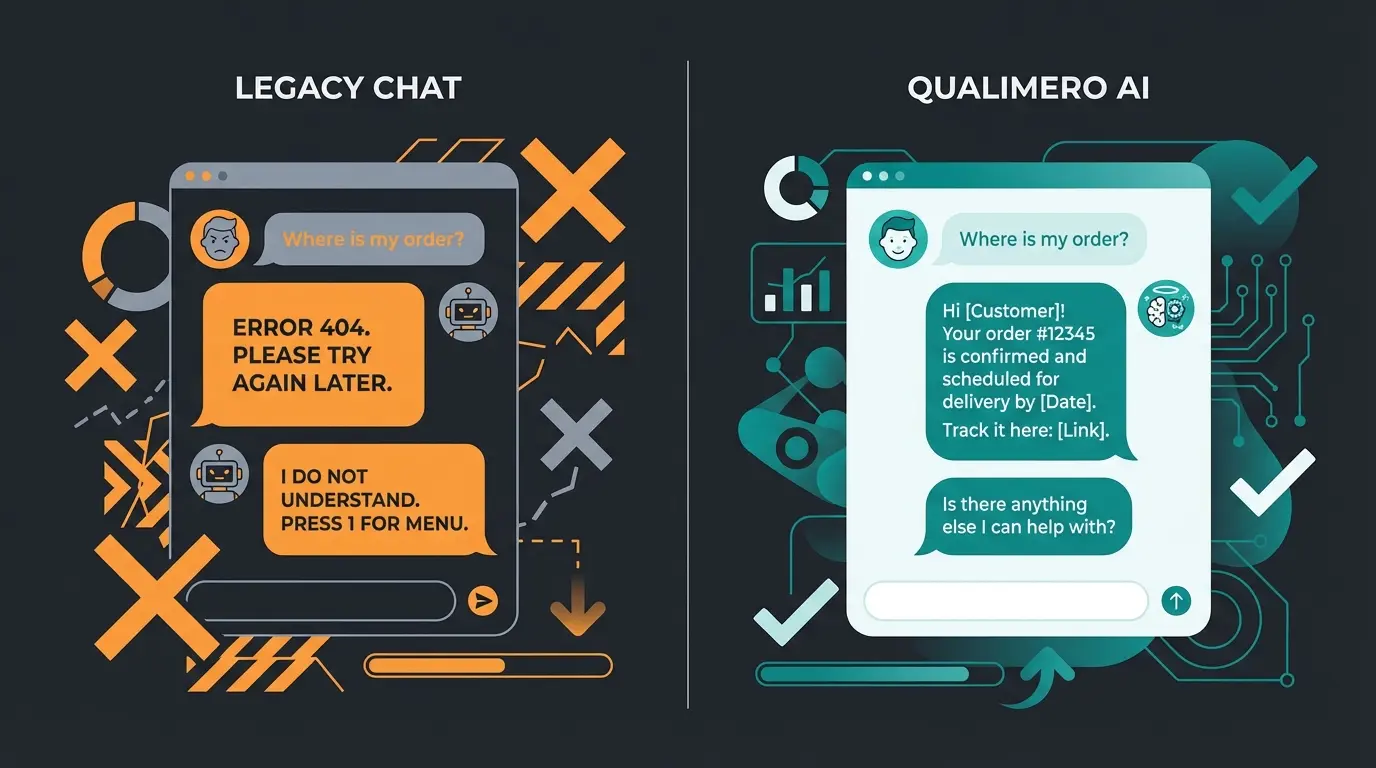
Perhaps you've already chatted with a bot and wanted to throw your phone at the wall in frustration. That was most likely a "rule-based bot." To succeed in 2026, you need to understand the difference between the old and the new world.
The Evolution of Bots
| Feature | Rule-Based Bot (The "Click-Bot") | AI Bot (The "Digital Consultant") |
|---|---|---|
| How It Works | Functions like a tree diagram. If customer clicks "A," respond with "B." | Uses NLP (Natural Language Processing) and LLMs (like GPT) to understand the meaning of a message. |
| Flexibility | Rigid. If the customer doesn't understand the menu, the bot fails. | High. Can react to unexpected questions and switch context. |
| Setup Effort | High. Every path must be built manually. | Medium. Gets "trained" with knowledge (PDFs, website data) instead of programmed. |
| User Experience | Feels like a voicemail system with touch-tone options. | Feels like chatting with a competent employee. |
| Goal | Reduce support costs (deflect tickets). | Increase revenue (consult and convert customers). |
The shift from rule-based to AI-powered systems represents a fundamental change in how AI chatbots for e-commerce operate. Modern AI bots can be trained with your product catalog, PDFs, and FAQ lists as explained by developer resources and demonstrated in practical implementation tutorials.
The "Keyword Problem" vs. Context Understanding
Why do old bots fail? They only search for keywords.
- Scenario: A customer writes: "I'm looking for a gift for my wife, she doesn't like roses."
- The dumb bot: Recognizes the keyword "roses." Responds: "Here is our selection of rose bouquets." -> Customer is gone.
- The AI bot: Understands the negation ("doesn't like") and the context ("gift"). Responds: "Got it, no roses! Does she perhaps prefer wildflowers or tulips? What's the occasion for the gift?" -> Customer feels understood.
The Game Changer: WhatsApp as Product Consultant
Here lies your biggest opportunity ("Blue Ocean"). Most of your competitors use WhatsApp automation only for boring status updates ("Your package arrives tomorrow") or annoying marketing newsletters.
The real leverage lies in Guided Selling. Position your bot not as "support," but as a "Digital Shopping Consultant." This approach aligns perfectly with how conversational AI transforms business operations by focusing on sales psychology and needs analysis rather than just support automation.
Why Guided Selling Works
Customers are often overwhelmed by the selection in online shops. A shop with 50 different skin creams or 200 running shoes leads to "Analysis Paralysis" – the customer buys nothing because they're afraid of choosing the wrong thing.
A WhatsApp bot can take on the role of the retail salesperson here:
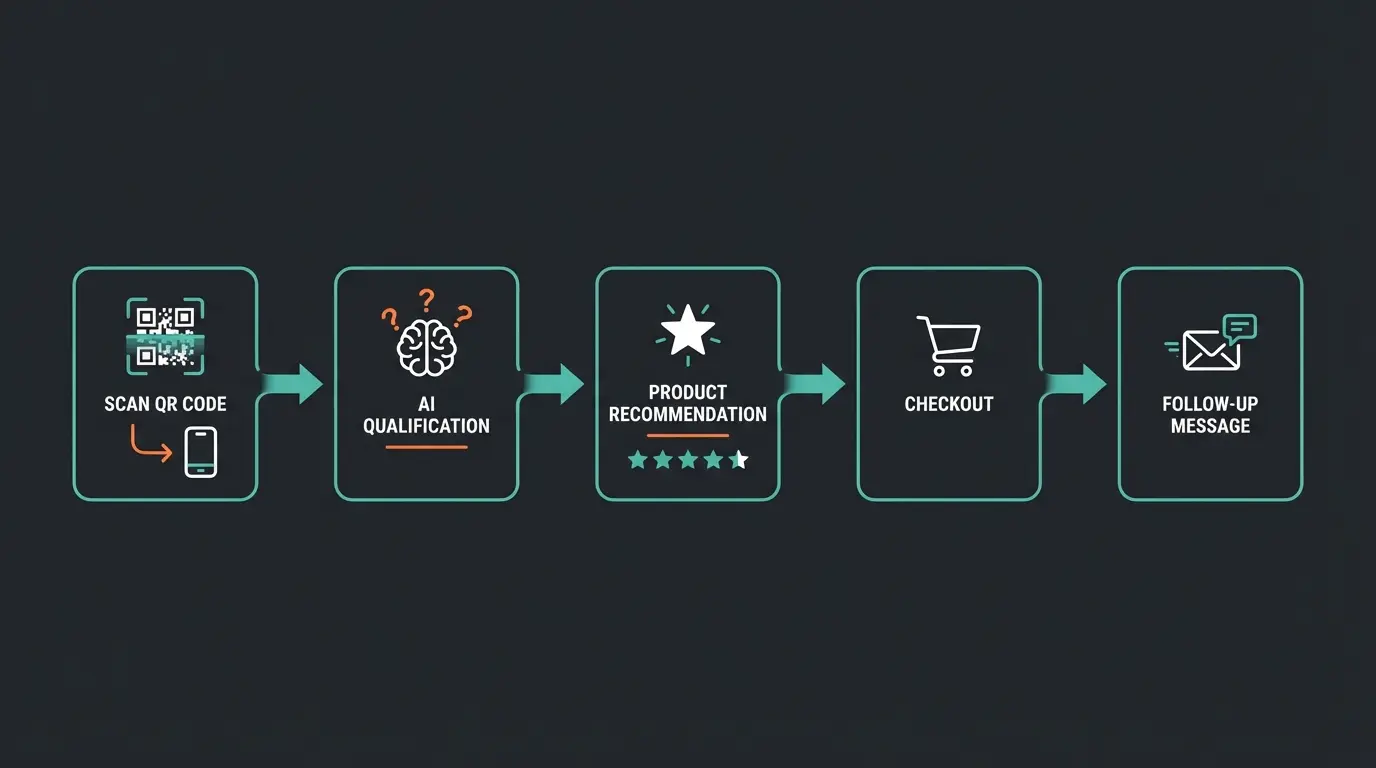
- Needs Analysis: The bot asks targeted questions (skin type, running surface, budget).
- Qualification: It filters out unsuitable products.
- Recommendation: It sends a direct link to the perfect product.
This is exactly what an AI product finder delivers – personalized recommendations that match customer needs precisely.
Practical Example: The "Running Shoe Finder"
Instead of making customers search on the website, the bot offers a dialog:
Bot: "Hey! Are you looking for shoes for asphalt or off-road?" Customer: "Mostly asphalt, but sometimes forest trails on weekends." Bot: "Alright, an all-rounder then. Do you have rather narrow or wide feet?" Customer: "Rather wide." Bot: "Then I recommend the Model X Pro. It has a wide toe box and hybrid sole. You can check it out here: [Link]"
The result: The conversion rate of such guided dialogs is often 3-5x higher than normal web traffic because the customer trusts the recommendation, as documented by conversational commerce research and automation platform studies.
Guided selling dialogs vs. standard website traffic
WhatsApp newsletters compared to email marketing
AI consultants never sleep, covering all time zones
Free when customers initiate contact (since late 2024)
The 3 Most Important Use Cases for Businesses
When planning a WhatsApp bot, you should focus on these three pillars. Prioritize revenue (sales) over cost savings (support). This shift in focus is what separates revenue-generating product consultants from basic support automation.
1. Product Consultation & Sales (The Revenue Driver)
As described above: Use the bot for lead qualification and consultation.
- Automotive: A bot can clarify in advance: "New or used car?", "Budget?", "When should the test drive be?" and then hands over the pre-qualified lead to the salesperson, as demonstrated by automotive chatbot implementations.
- Real Estate: "Are you looking to rent or buy?", "How many rooms?". The bot filters "tourists" from genuine prospects and schedules viewings, similar to systems described by real estate automation experts and customer engagement platforms.
This approach transforms your WhatsApp channel into what AI virtual sales consultants promise – proactive engagement that drives actual business results.
2. Marketing & Re-Engagement (The Customer Binder)
WhatsApp newsletters have open rates of over 90%, according to industry benchmarks and marketing research. But caution: Nobody wants spam.
- Cart Abandoners: If a customer abandons their purchase, the bot (with existing opt-in) can ask: "Was there a problem at checkout? Do you still need help with the size?"
- Back-in-Stock Alerts: "Your size is back!" – These messages have extremely high conversion rates.
3. Customer Service & Support (The Efficiency Booster)
Of course, the bot can also handle support. But let it do the "boring" tasks. This is where AI customer service truly shines – handling routine inquiries while freeing human agents for complex issues.
- Status Queries: "Where is my package?" (Connection to DHL/Tracking API).
- Invoice Requests: The bot sends the PDF invoice automatically.
- Returns Registration: The bot guides through the return process and generates the label.
WhatsApp Flows: Apps Directly in the Chat
One of the most exciting developments for 2025/2026 is WhatsApp Flows. Previously, for complex queries (e.g., appointment booking, forms) you had to leave the chat and go to a website. That's a conversion killer.
With WhatsApp Flows, you can display graphical interfaces directly in the chat, as documented by Meta's official documentation, WhatsApp notification services, and business communication platforms.
- Application Example: An appointment booking calendar, a seat reservation, or a skin analysis quiz opens as a window over the chat. The customer fills everything out, clicks "Send," and the bot processes the data immediately.
- Advantage: No media break. The customer stays in the app, which massively reduces the abandonment rate.
This capability supports the conversational commerce approach by keeping customers engaged within a single, seamless experience.
Data Protection & GDPR: Is a WhatsApp Bot Legal?
This is the most important section for any business operating in regions with strict privacy laws like the EU. The short answer: Yes, but only with the right technology.
The Problem with the App
The normal WhatsApp app (and the Business App) accesses the smartphone's phone book and uploads contact data to Meta's US servers. Without the consent of all contacts, this is a violation of GDPR regulations.
The Solution: WhatsApp Business API
The API works differently. It has no access to any phone's contact list. It only processes messages from people who write to you or who have agreed to an opt-in.
For detailed guidance on ensuring your AI product consultant is compliant, refer to dedicated regulatory resources. Industry experts at Chatarmin, Lime Technologies, and viind.com provide valuable insights on hosting and compliance requirements.
According to botfriends.de and Qualimero's compliance research, the EU AI Act transition periods extend through 2026, giving businesses time to adapt their systems appropriately.
Discover how AI-powered product consultation can drive revenue 24/7 while staying fully compliant with EU regulations.
Start Your Free TrialCosts & Pricing 2025/2026: What Does a Bot Cost?
Meta has massively restructured the pricing model for the API. Understanding this is important for your 2026 budget planning, as detailed by pricing analysis platforms, ControlHippo, and Link Mobility.
The model is no longer based on a flat rate, but on conversation categories (24-hour windows).
1. Service Conversations (Free!)
This is the best news for the "Guided Selling" approach.
- What is it? When a customer writes to you (User-Initiated).
- Costs: Since late 2024, these conversations are completely free (within a 24h window), as confirmed by Meta's pricing updates.
- Strategy: Motivate customers to start the chat (e.g., via "Click-to-Chat" buttons on the website or QR codes). Once they write, your AI bot can consult and qualify them for free.
2. Utility (Transactional)
- What is it? Transactional messages (shipping confirmation, invoice).
- Costs: Paid, but affordable. Often free if sent within an open service window, according to Omnichat's analysis.
3. Marketing (Expensive)
- What is it? You proactively write to the customer (newsletters, offers).
- Costs: This is the most expensive category. In developed markets like the US and EU, prices are significantly higher than in other regions.
- Strategy: Use marketing messages very selectively (high relevance) so the ROI is worth it.
4. Software Costs
In addition to WhatsApp fees, you pay a monthly fee to your software provider (BSP) for the tool, bot builder, and hosting.
Free when customer-initiated - ideal for guided selling and support
Low cost for transactional updates like shipping and invoices
Premium pricing - use strategically for high-value campaigns
Monthly BSP subscription for hosting, tools, and integrations
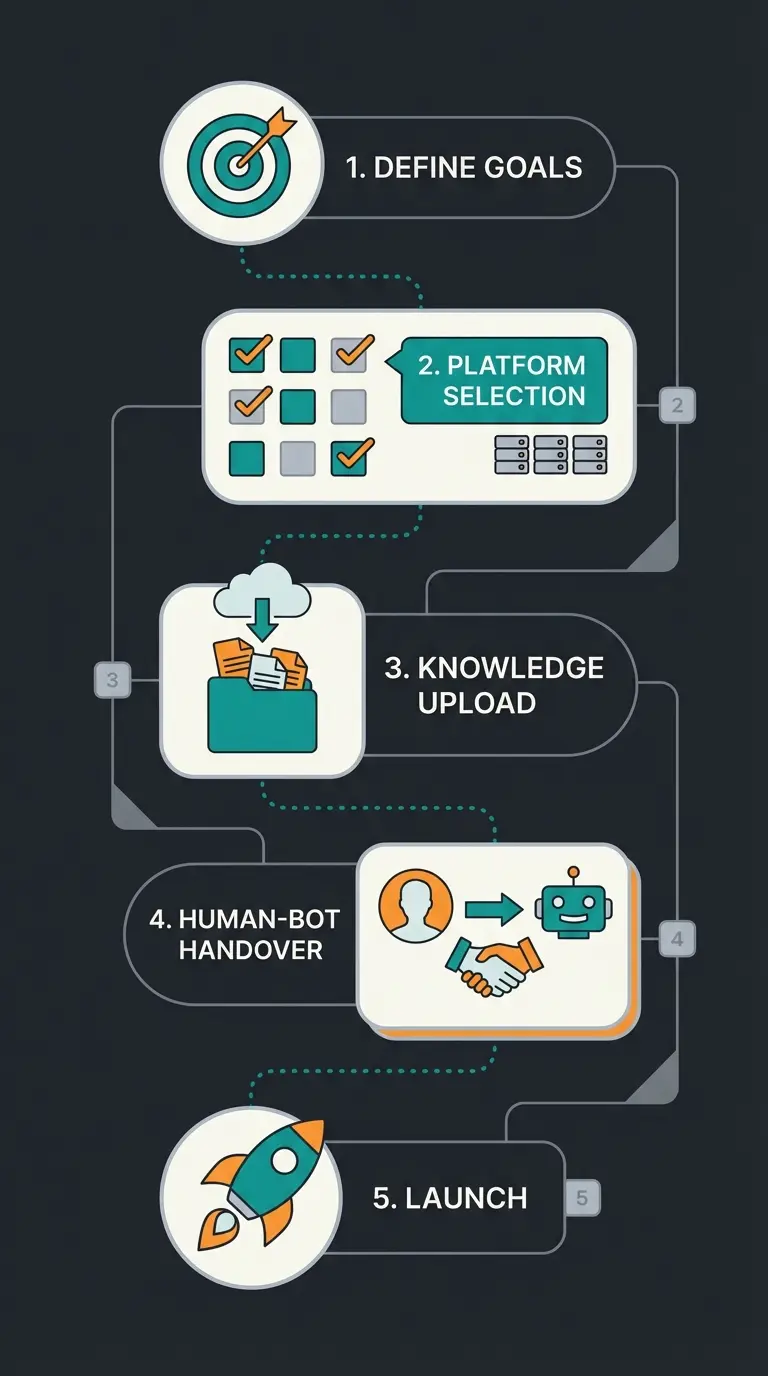
Step-by-Step: How to Implement an AI Bot
Ready to get started? Here's your roadmap. This process aligns with consultative AI advisory best practices for implementing intelligent automation.
Step 1: Define Your Goal
Do you want to reduce support tickets or sell more? We recommend: Start with a sales bot on a specific product page or landing page. That brings measurable revenue and motivates the team. Understanding AI in sales will help you set realistic expectations and metrics.
Step 2: Choose Your Platform
Don't look for the "cheapest" tool, but for one that:
- Is GDPR-compliant (servers in EU).
- Offers easy AI integration (e.g., "Upload your PDF and the bot learns from it").
- Supports WhatsApp Flows.
- Has good integrations with your shop system (Shopify, Shopware) or CRM (HubSpot, Salesforce), as highlighted by Chatarmin's integration capabilities.
Step 3: Build the Knowledge Base
You don't have to program the bot. You have to feed it. This is the foundation of effective AI product consultation.
- Gather all PDFs, product descriptions, and FAQ lists.
- Upload them to your platform's AI module.
- Define the "Tone of Voice": Should the bot be casual ("you") or formal?
Step 4: The Human Handover
A bot must never be a dead end. Set up an escape route: If the bot doesn't know what to do or the customer writes "agent," the chat must be seamlessly handed over to a real human, as emphasized by customer experience experts. That builds trust.
Step 5: Test & Go Live
Test the bot internally with the "dumbest" questions you can think of. Once it runs stably, go live – first on subpages, then on the homepage.
The Future Belongs to Dialog
The market for WhatsApp bots has radically changed. We're coming from an era of frustrating click-menus and entering an era of Conversational AI. This is what AI chatbots for revenue generation truly means – shifting from cost center to profit driver.
For businesses worldwide, 2026 offers a tremendous opportunity: While email marketing loses effectiveness and websites often seem static, WhatsApp offers a direct, personal channel to the customer.
Those who see WhatsApp only as a "support channel" are leaving money on the table. The real value lies in the automation of consultation and sales. A bot that helps a customer find the right product at 11 PM isn't a cost factor – it's your best salesperson.
FAQ: Common Questions About WhatsApp Bots
The WhatsApp Business API itself is free to access, but you pay per conversation. Service conversations (when customers message you first) are now completely free since late 2024. Marketing messages are the most expensive category, while utility messages for transactional updates are affordably priced. You'll also pay monthly fees to your Business Solution Provider (BSP) for the platform, hosting, and tools.
Rule-based bots work like decision trees – if a customer clicks option A, they get response B. They're rigid and fail when customers don't follow the expected path. AI bots use Natural Language Processing (NLP) and Large Language Models (LLMs) to understand the meaning and context of messages. They can handle unexpected questions, remember context, and provide genuinely helpful responses that feel like talking to a knowledgeable employee.
Yes, but only when using the WhatsApp Business API through a certified Business Solution Provider (BSP) with EU-hosted servers. The standard WhatsApp app accesses phone contacts and uploads data to US servers, which violates GDPR. Additionally, under the EU AI Act (effective August 2024 with transition periods through 2026), your bot must identify itself as an AI at the start of conversations and cannot pretend to be human.
Implementation time varies based on complexity. A basic AI-powered bot can be live within 1-2 weeks if you have your product data, FAQs, and knowledge base ready to upload. More complex implementations with CRM integrations, WhatsApp Flows, and custom workflows typically take 4-8 weeks. The key advantage of modern AI bots is that you don't program them – you train them with your existing content.
Absolutely. Guided selling through WhatsApp bots achieves 3-5x higher conversion rates compared to standard website traffic. This is because the bot acts like a personal shopping consultant – asking about needs, preferences, and budget, then recommending the perfect product with a direct checkout link. Customers trust personalized recommendations, and the 24/7 availability means you never miss a buying moment.
Join forward-thinking businesses using AI-powered WhatsApp bots to qualify leads, recommend products, and drive revenue around the clock. Start your free trial today.
Get Started Free
Lasse is CEO and co-founder of Qualimero. After completing his MBA at WHU and scaling a company to seven-figure revenue, he founded Qualimero to build AI-powered digital employees for e-commerce. His focus: helping businesses measurably improve customer interaction through intelligent automation.