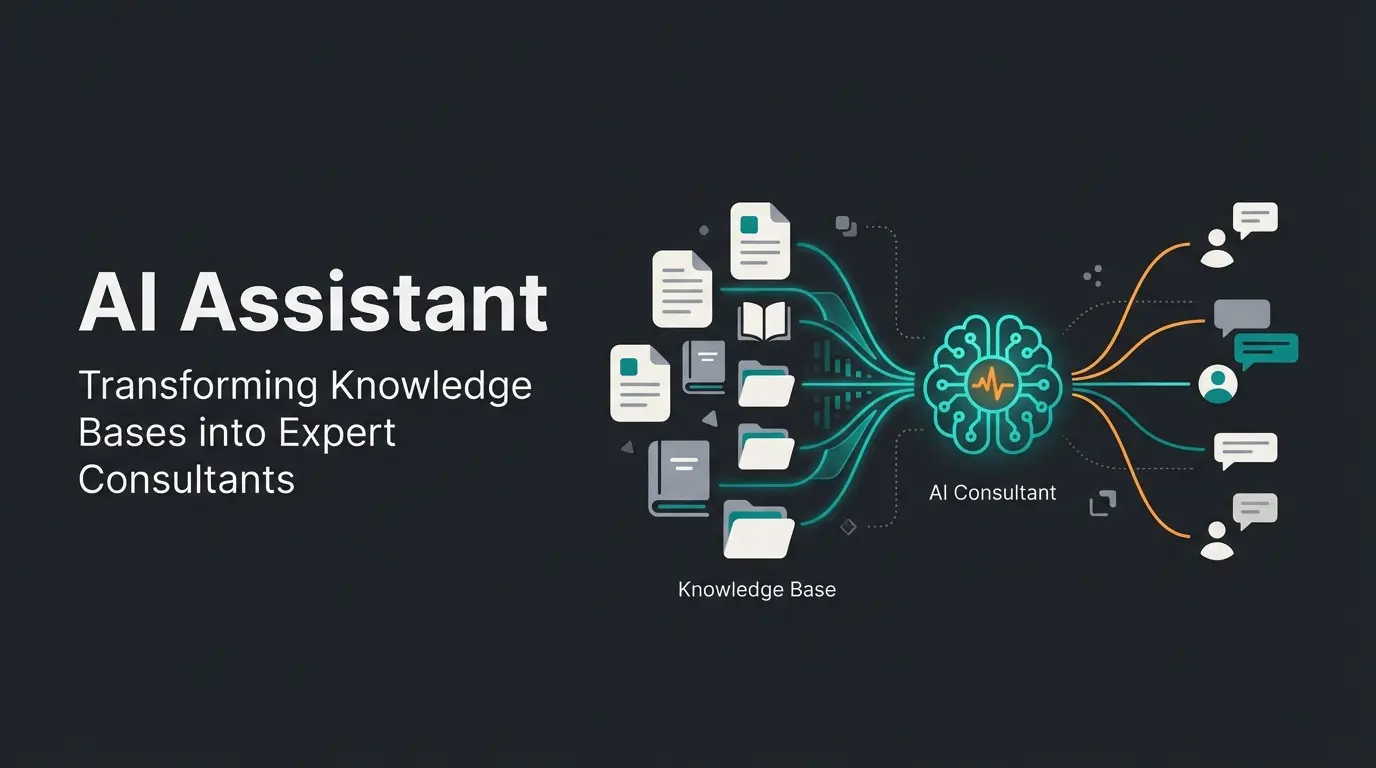
The End of the Classic Support Debate
If you're searching for Intercom vs Zendesk, you're likely standing at a crossroads that thousands of Customer Experience (CX) managers know all too well. The traditional division was simple for years: Choose Zendesk if you're an enterprise company or running a complex IT helpdesk. Choose Intercom if you're a SaaS startup focusing on marketing and onboarding.
But in 2026, this distinction falls short. The boundaries between support (cost center) and sales (revenue source) are blurring. Today's customers don't expect a ticket number—they demand immediate, competent consultation, whether it's 3 AM or the weekend. Understanding AI customer service fundamentals is essential for navigating this new landscape.
In this comprehensive comparison, we analyze not just features and pricing. We illuminate the hidden risks for European and US markets—from GDPR compliance to the cost traps in AI usage. And we demonstrate why, for modern e-commerce and tech companies, perhaps neither Zendesk nor Intercom represents the complete solution when the goal is genuine product consultation.
At a Glance: The Complete Platform Comparison
Before diving into details, here's a direct comparison of strategic orientations. We've added a third column for a specialized AI Product Consultation solution to clarify the fundamental differences in approach.
| Feature / Focus | Zendesk | Intercom | AI Product Consultant Solution |
|---|---|---|---|
| Core Philosophy | Ticket-based: Structure, processes, SLAs. The customer is a 'case'. | Chat-based: Conversational engagement. The customer is a 'user'. | Consultation-based: Dialog, sales. The customer is a 'buyer'. |
| AI Strategy | Deflection: Goal is preventing tickets or providing agent summaries. | Generalist (Fin): Answers FAQs based on help center articles. | Consultation: Conducts sales conversations, understands product specs, recommends solutions. |
| Pricing Model | License-heavy: High per-agent costs + expensive add-ons (e.g., Advanced AI). | Volatile: Base license + usage-based AI costs ($0.99 per resolution). | Predictable: Often flat rates or value-based models (no surprises). |
| EU Data Hosting | Frankfurt & Dublin: Available but often tied to add-ons or specific plans. | Dublin (AWS): Only for new workspaces on high-tier plans. No migration for existing customers. | GDPR Focus: Often 'Privacy by Design' with EU servers without legacy problems. |
| Works Council Risk (EU) | High: Extremely detailed employee monitoring capabilities. | Medium: Focus on user metrics, but agent tracking available. | Low: Focus on AI performance, not monitoring human employees. |
Deep Dive: Intercom – The Engagement Tool for Startups
Intercom revolutionized the market by replacing the 'ticket counter' with a 'messenger.' It feels less like visiting a government office and more like WhatsApp. This modern approach to Conversational AI has attracted countless startups and growth-focused companies.
Intercom's Core Strengths
- User Interface (UI): The inbox design is modern, intuitive, and popular with teams that prefer quick chats, as noted by eesel.ai.
- Onboarding & Outbound: Intercom is unbeatable when it comes to proactively reaching out to users (e.g., 'Hey, need help with Feature X?').
- Quick Implementation: One code snippet on your website, and the chat is running.
The Critical Weakness: AI as Cost Trap and Generalist
Intercom's AI solution 'Fin' is heavily marketed. It's easy to set up but has two massive drawbacks for budget-conscious businesses:
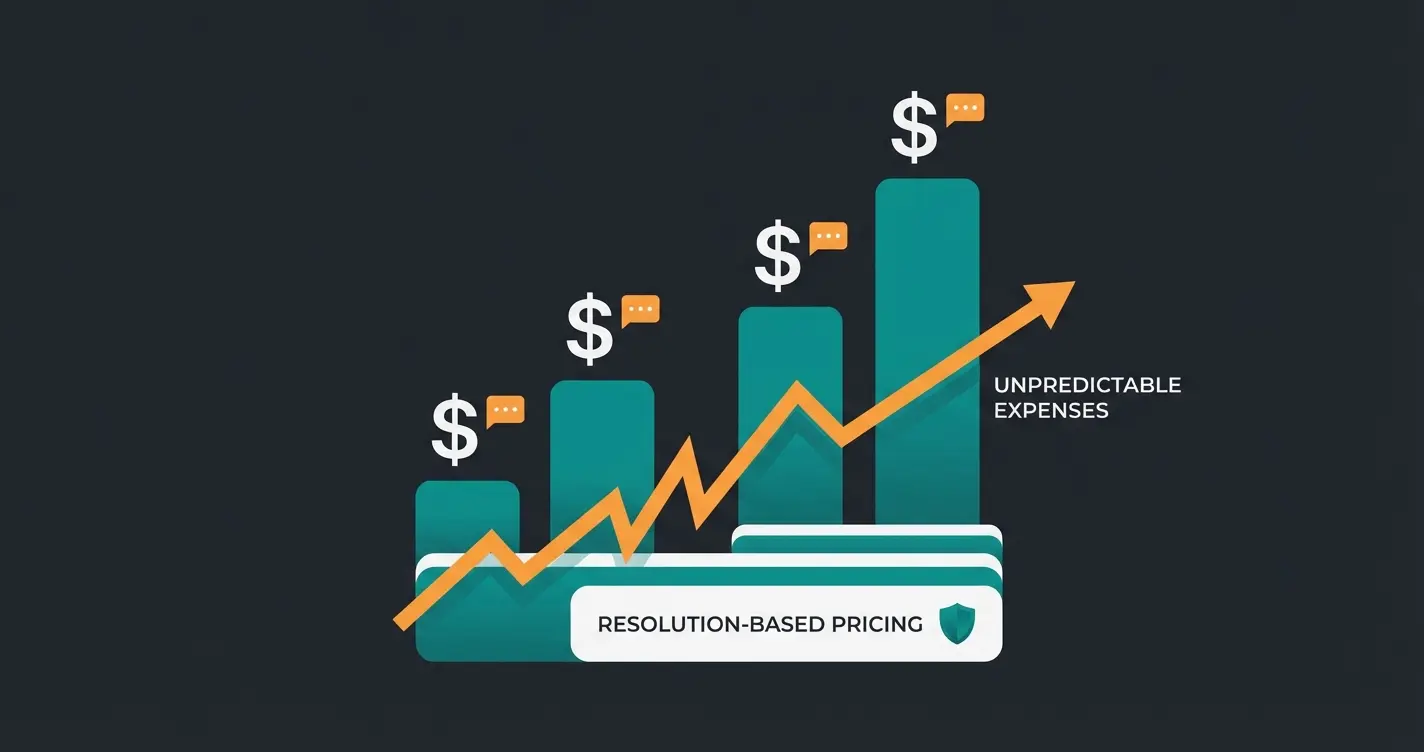
The $0.99 Cost Trap: Intercom charges $0.99 per successful resolution for Fin, according to eesel.ai's analysis. Consider this scenario: An e-commerce shop has 10,000 inquiries during the holiday season. If Fin resolves 50% of them, you suddenly pay $5,000 extra that month—just for AI. This variability makes budget planning extremely difficult, as industry analysts have documented.
Superficial Knowledge: Fin is based on your Help Center (Knowledge Base). When a customer asks: 'Will this 16GB RAM stick fit in my 2019 Dell XPS?', Fin will fail unless that exact question exists in the FAQs. Fin is a librarian, not an engineer. This is where specialized Chatbot AI solutions that understand product specifications become essential.
Deep Dive: Zendesk – The Ticket Factory for Enterprises
Zendesk is the market leader for structured support. It's powerful, scalable, and integrates with almost everything. But this power comes at a price. When comparing Zendesk against specialized alternatives, the differences become even more apparent.
Zendesk's Core Strengths
- Omnichannel Powerhouse: Email, chat, phone, WhatsApp, social media—everything lands in one central interface.
- Reporting & Analytics: If you want to know how long Agent Smith averages for a Category B ticket, Zendesk delivers the data.
- Scalability: It works for 5 agents just as well as for 5,000.
The Critical Weakness: Complexity and Hidden Costs
Zendesk is often described as a 'Ferrari you have to assemble yourself,' as discussed on Reddit communities. The add-on madness is real: The base price seems moderate (e.g., $115 for Suite Professional). But want modern AI features ('Advanced AI')? That costs $50 extra per agent/month according to pricing analysis. Want Workforce Management? Extra. Quality Assurance? Extra.
AI for 'Deflection': Zendesk's AI strategy focuses heavily on 'deflection' (avoiding tickets) and 'Agent Assist' (helping employees). It's not primarily designed to autonomously guide a customer through a complex purchasing process. Understanding the different types of chatbots helps clarify why this matters.
Implementation Effort: Setting up a clean Zendesk instance often takes months and requires expensive consultants.
The European Pain Point: Works Council Compliance
In Germany and other European countries, works councils have strong co-determination rights when introducing software suitable for performance and behavior monitoring. According to legal experts at LEGlobal, Zendesk stores extremely granular data about each employee's performance (response time, resolved tickets, online status). This makes Zendesk implementation in European corporations often a lengthy political process, as noted by tchop.io.
An AI solution that advises customers instead of monitoring employees is often politically much easier to implement in regulated environments.
Additional cost per agent per month for AI features
Per successful AI resolution, creating unpredictable costs
Estimated cost for 10 agents + 5,000 AI resolutions
The Missing Link: Support vs. Product Consultation
Here lies the actual gap in the Intercom vs Zendesk discussion. Both tools come from the world of reacting. This fundamental limitation affects how AI in customer service can truly transform your business.
Traditional Support Approach (Zendesk/Intercom)
- Customer: 'Where is my package?' → Bot: 'Here's the tracking link.' (This is simple)
- Customer: 'How do I reset my password?' → Bot: 'Here's the article.' (This is deflection)
The Consultation Gap (What's Missing)
Consider this scenario: A customer asks, 'I'm looking for a freeride ski binding, I weigh 185 lbs and ski aggressively. Does the Marker Duke fit?'
- Intercom Fin: 'Here's an article about returns.' (Complete fail)
- Zendesk Bot: 'I'll create a ticket for an expert.' (Wait time = abandoned purchase)
- Specialized AI Consultant: 'For aggressive freeriding at 185 lbs, the Marker Duke PT 16 is excellent because it offers a high DIN value. Alternatively, the Salomon Shift is a lighter option for touring. Shall I explain the differences in release behavior?'
Why does this matter? Support bots are cost reducers. Consultant AIs are revenue drivers. If you sell complex products (software, technology, machinery, financial products), an FAQ bot isn't enough. You need an AI that thinks like a top salesperson, not a support agent. This is where AI product consultation becomes a game-changer.
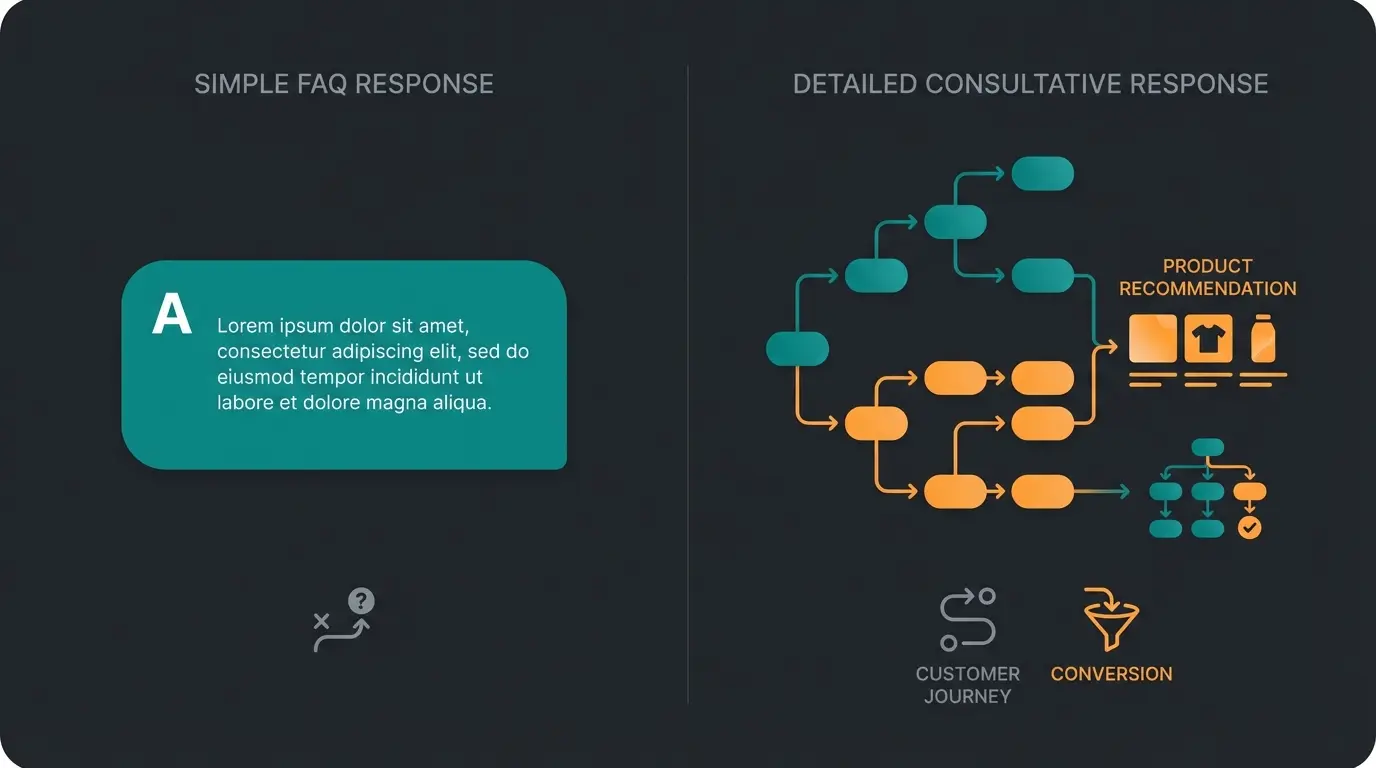
Answers 'What is X?' with static knowledge base links. Basic deflection only.
Provides contextual responses, understands intent, but cannot guide complex decisions.
Answers 'Which X is right for me?' by understanding specs, compatibility, and use-cases.
Critical for Compliance: Data Privacy & GDPR
For companies operating in Europe or serving European customers, the question 'Where is my data stored?' is not a minor consideration. Understanding Artificial Intelligence fundamentals includes knowing how AI systems handle sensitive customer data.
Zendesk Data Hosting
Zendesk operates data centers in Frankfurt (AWS) and Dublin, as documented on Zendesk's official site. However, the guarantee that data remains only in Europe often requires the 'Data Center Location Add-on,' which can be costly or only included in higher plans according to Zendesk documentation. As a US company, Zendesk is subject to the US CLOUD Act, which theoretically grants US authorities access—an ongoing issue since the Privacy Shield invalidation (Schrems II).
Intercom Data Hosting
By default, Intercom hosts data in the USA. EU hosting (Dublin) is available according to Intercom's policies. The critical caveat: this applies only to new customers on expensive annual contracts. There's no migration path for existing customers, as analysts have confirmed. If you already use Intercom and want to switch to EU hosting, you must start from zero. Intercom also uses many US sub-processors, making GDPR compliance complex.
The Privacy-First Alternative
Specialized European AI providers or solutions built 'Privacy-First' often offer hosting exclusively in the EU (e.g., Open Telekom Cloud or AWS Frankfurt without US data transfer) and forgo tracking individual employee data, making them GDPR and works council compliant. When seeking professional AI consulting for e-commerce, data privacy should be a top priority.
Discover how AI product consultation can drive revenue while keeping costs predictable. No per-resolution fees, no expensive add-ons—just results.
Explore AI ConsultationPrice Comparison: Predictability vs. Surprise
Let's examine a direct comparison of cost structures for a team with 10 agents and 5,000 AI interactions per month. This scenario reveals the true cost differences when comparing Zendesk chat vs Intercom for customer support operations.
Cost Scenario: 10 Agents, 5,000 AI Conversations
| Cost Factor | Zendesk (Suite Professional) | Intercom (Advanced) | Specialized AI Solution |
|---|---|---|---|
| License Costs | ~$1,150/month ($115 × 10) | ~$990/month ($99 × 10) | Flat rate / Predictable |
| AI Add-on | $500/month ($50 × 10 for Advanced AI) | Included in plan | Included |
| AI Usage | ~$1,500-2,000 (for automated resolutions over limit) | ~$4,950 ($0.99 × 5,000 resolutions) | Flat rate / Included |
| Total Costs | ~$3,650/month | ~$5,940/month | Lower fixed price |
| Risk Profile | High fixed costs through add-ons | Extremely high variable costs when successful | Full cost control |
The Pricing Verdict
- Intercom punishes success: The better your AI works, the more you pay (linear increase)
- Zendesk punishes complexity: The more intelligent features you want, the more add-ons you must book
- Specialized solutions often offer flat rates that provide planning security—especially important for mid-market businesses
According to industry analysis, this pricing unpredictability is one of the top reasons companies seek alternatives. The comparison becomes even more stark when evaluating AI Agents that offer transparent, value-based pricing models.
Real-World Application: The Complex Question Test
The ultimate test of any customer service AI is how it handles complex, consultative questions. When comparing Intercom vs Zendesk for customer support, consider how each platform responds to product-specific inquiries.
Test Scenario: Technical Product Question
A customer asks: 'I need enterprise software that integrates with our legacy SAP R/3 system, supports SSO via SAML 2.0, and can handle 50,000 concurrent users. Which of your plans would work?'
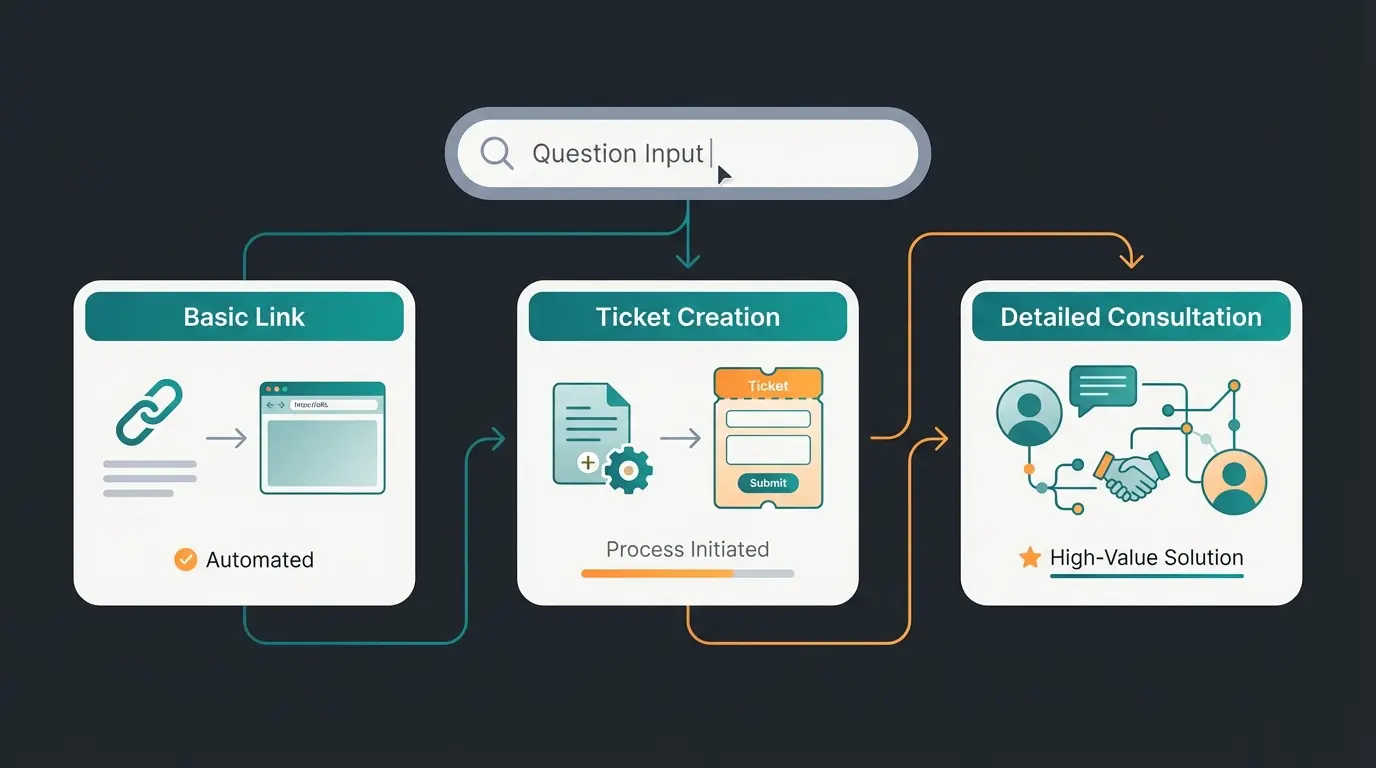
- Typical Zendesk Response: Creates a ticket and routes to technical sales. Average response time: 4-24 hours.
- Typical Intercom Fin Response: Provides a generic link to the pricing page or enterprise contact form.
- AI Product Consultant Response: 'For SAP R/3 integration with that user load, you'll need our Enterprise tier with the Legacy Connector add-on. The SSO configuration is included. Based on 50,000 concurrent users, I'd recommend our clustered deployment. Would you like me to explain the architecture or schedule a technical discovery call?'
This difference illustrates why businesses with complex products are increasingly turning to specialized AI Product Consultation providers rather than traditional support platforms.
Strategic Recommendations: Choosing the Right Solution
The decision between Intercom vs Zendesk isn't about 'better' or 'worse'—it's about your specific use case and business goals.
When You Should Choose Zendesk
- You have a large support team (50+ agents)
- You need complex workflows, SLAs, and strict reporting
- Your focus is on IT support or classic after-sales service (complaints, returns)
- You have dedicated implementation resources and budget for add-ons
When You Should Choose Intercom
- You're a SaaS company or startup
- Your focus is on user engagement and onboarding
- You want a modern, casual approach and quick implementation
- You can absorb variable AI costs during growth phases
When You Should Choose AI Product Consultation
- You want to increase revenue, not just manage tickets
- You have complex products requiring AI that advises rather than just sending links
- You need cost certainty without month-end surprises
- Data privacy (GDPR) and works council compliance are non-negotiable requirements
- Your goal is converting browsers into buyers, not just deflecting inquiries
Success stories like Rasendoktor's AI implementation demonstrate how specialized consultation AI can transform customer interactions into revenue-generating conversations.
The Smartest Path for 2026
Many modern companies use a hybrid strategy: A lean ticketing system for 'hardcore support' in the backend—and a specialized Consulting AI in the frontend that picks up customers, advises them, and sells before a ticket even needs to be created.
FAQ: Common Questions About Intercom and Zendesk
Intercom offers Standard Contractual Clauses (SCCs) and EU hosting. However, EU hosting is only available for new customers on higher plans. Migration of existing data is currently not possible, which creates significant challenges for established businesses needing to comply with European data protection requirements.
Beyond the base plan, you typically need the 'Advanced AI' add-on at $50 per agent/month. Additionally, costs for 'Automated Resolutions' apply once a small free quota is exhausted (approximately $1.50-2.00 per resolution). For a 10-agent team with moderate AI usage, expect total costs exceeding $3,500/month.
Not directly block, but works councils have co-determination rights under §87 BetrVG (German Works Constitution Act) since Zendesk is capable of performance monitoring. Implementation often requires a works agreement that restricts the use of performance data, which can significantly delay deployment.
Zendesk Chat is more structured and integrates deeply with ticket workflows, making it ideal for teams that need to track and escalate conversations. Intercom's messenger is more conversational and modern, better suited for casual engagement and proactive outreach. Neither excels at consultative product recommendations.
Neither Zendesk nor Intercom is purpose-built for product consultation. Both excel at support (tickets, FAQs) but struggle with complex buying decisions. For e-commerce businesses selling technical or configurable products, specialized AI Product Consultation solutions typically deliver better conversion rates and customer satisfaction.
Conclusion: Beyond the Binary Choice
The Intercom vs Zendesk debate has dominated customer service discussions for years, but it's increasingly the wrong question for modern businesses. Both platforms optimize for efficiency—closing tickets faster, deflecting more inquiries, reducing agent workload. These are valuable goals, but they miss a fundamental shift in customer expectations.
Today's customers don't want to be 'handled'—they want to be helped. They don't want a ticket number—they want expert guidance. And increasingly, they expect this guidance instantly, around the clock, from systems that understand their specific needs and can make intelligent recommendations.
For businesses selling complex products—whether that's enterprise software, technical equipment, financial services, or specialized consumer goods—the choice isn't between Zendesk and Intercom. It's between treating customer service as a cost center to minimize, or as a revenue opportunity to maximize.
The companies winning in 2026 understand this distinction. They use traditional support tools where appropriate but invest in AI Product Consultation capabilities that transform customer questions into sales opportunities. They prioritize predictable costs over variable pricing nightmares. And they choose solutions that respect data privacy by design, not as an expensive add-on.
Whether you ultimately choose Zendesk, Intercom, or a specialized alternative, make sure your decision aligns with your true goal. If it's ticket management, the traditional platforms serve well. If it's revenue growth through intelligent customer consultation, you may need to look beyond the usual suspects.
Stop deflecting customers and start converting them. Our AI Product Consultation platform understands your products and guides buyers to purchase—with predictable pricing and full GDPR compliance.
Start Your Free Trial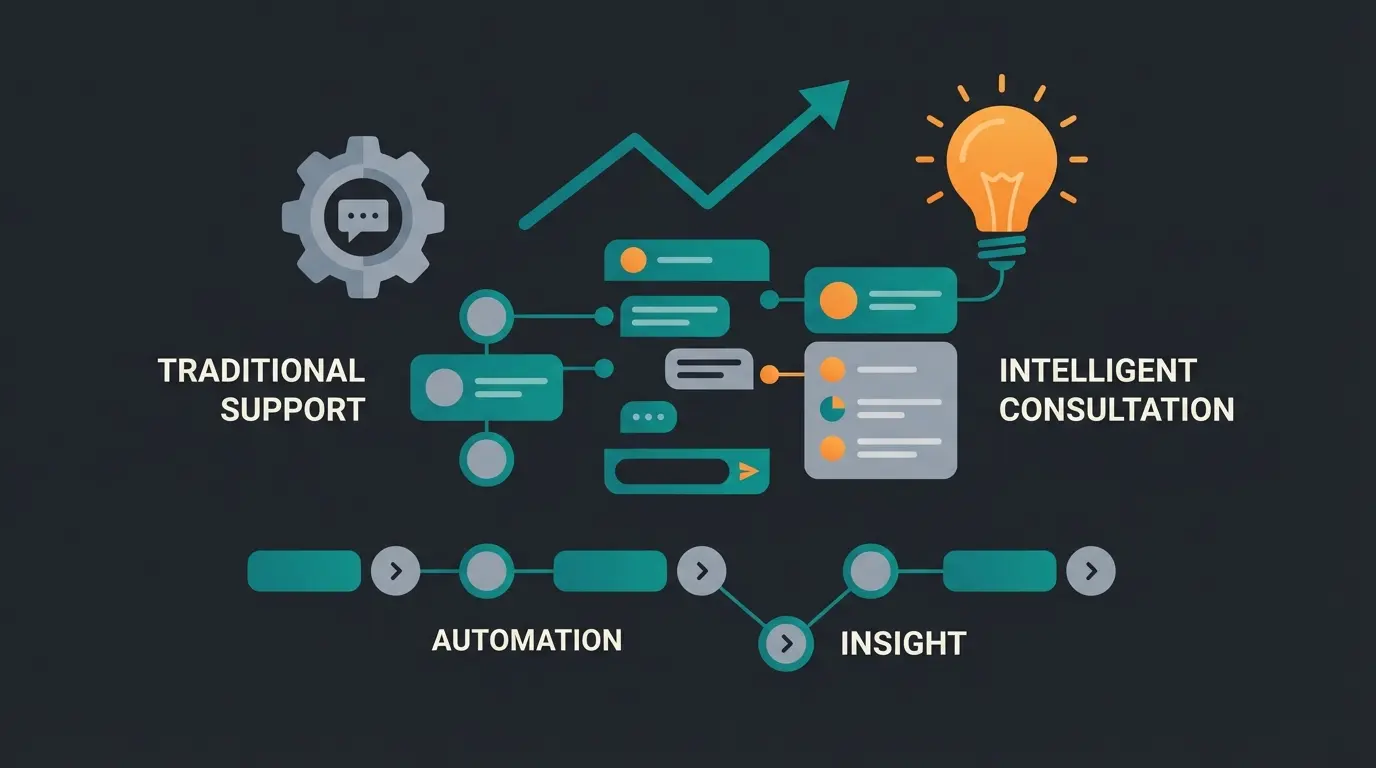

Lasse is CEO and co-founder of Qualimero. After completing his MBA at WHU and scaling a company to seven-figure revenue, he founded Qualimero to build AI-powered digital employees for e-commerce. His focus: helping businesses measurably improve customer interaction through intelligent automation.