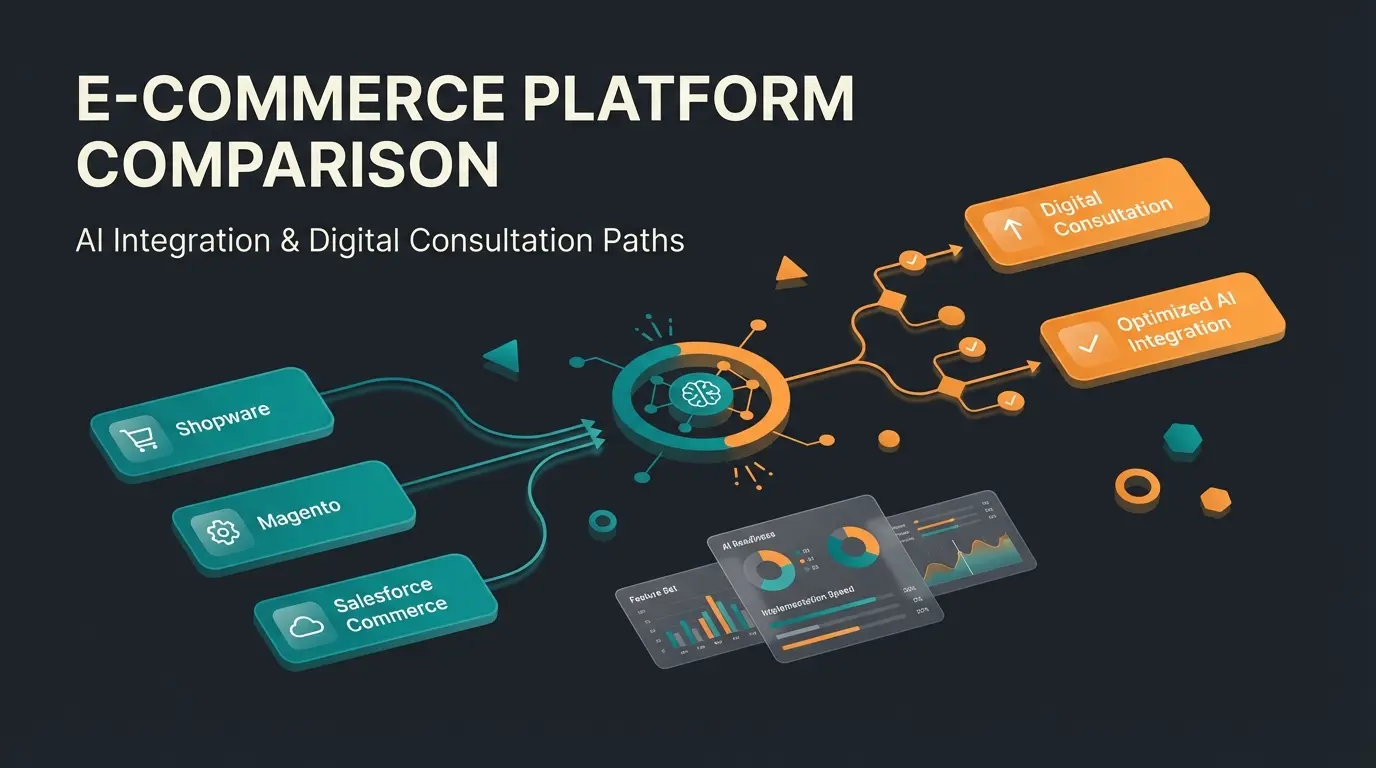
Shopware vs WooCommerce at a glance
Shopware is a purpose-built ecommerce platform, strongest for complex, B2B and consulting-intensive stores. WooCommerce is a free WordPress plugin, strongest for content-led shops and tight budgets. Choose Shopware for scalability, native B2B and ERP integration. Choose WooCommerce for the lowest entry cost and existing WordPress familiarity.
The two systems start from opposite premises. Shopware is a standalone application built only for retail, whereas WooCommerce is a plugin that turns an existing WordPress site into a shop. That single architectural difference explains most of what follows. If you are also weighing hosted SaaS, our Shopware vs Shopify breakdown covers that route, and the full ecommerce platform comparison puts both against the wider field.
| Criterion | WooCommerce | Shopware 6 |
|---|---|---|
| Best for | Beginners, content-led brands, small to mid shops | Ambitious SMEs, mid-market, enterprise and B2B |
| Cost model | Free core, paid plugins and hosting | Free Community Edition (up to 1M EUR GMV) or paid Rise/Evolve/Beyond |
| EU legal compliance | Plugin-dependent (e.g. Germanized), manual effort | Native, GDPR-ready in core |
| Scalability | Good, much improved with HPOS, hosting-dependent | API-first, built for large catalogs |
| B2B features | Plugin stacks only | Native B2B components (Evolve/Beyond) |
| AI readiness | Plugin-based, MCP roadmap in progress | Native AI Copilot, clean API data |
| Tech stack | WordPress plugin (PHP), monolithic | Symfony (PHP), API-first, headless-capable |
| Maintenance | Higher: plugin updates and compatibility | Lower: fewer plugin conflicts, stable releases |
What is Shopware?
Fair Usage Policy trigger, effective 24 March 2026
Neudorff product-consultation case study
average across Qualimero clients
Shopware is a German-built ecommerce platform with an open-source core, currently on major version Shopware 6. It was designed from the ground up for online retail, with native B2B, a headless API-first architecture and strong ERP connectivity. It targets ambitious SMEs and mid-market retailers that plan to scale.
Shopware 6 runs on the Symfony framework with a Vue.js administration layer, a full rebuild from its predecessor (see Shopware 5 vs 6 for the version differences). Every shop function, cart, catalog and checkout, is reachable through an API. That matters for one reason: the storefront and any AI layer read clean, structured data instead of scraping HTML. Shopware ships the core as open source, then layers paid editions on top.
Where WooCommerce assembles a shop from plugins, Shopware delivers most retail functions in the box. Product properties, customer groups, rule-based pricing and content composition are native, not add-ons. That is the trade Shopware asks you to make: more upfront structure, less long-term plugin management.
What is WooCommerce?
WooCommerce is a free, open-source ecommerce plugin for WordPress that turns any WordPress site into an online store. It runs on the world's most-used CMS and a plugin and theme ecosystem in the tens of thousands. It targets content-led brands, smaller catalogs and teams already comfortable with WordPress.
WordPress powers roughly 43% of all websites (W3Techs, 2026), and WooCommerce is the ecommerce layer most of those stores reach for. According to 6sense platform-share data: "WooCommerce has a 65.84% market share in the Ecommerce Platform category, while Shopware has a 0.08% market share" (6sense, 2026). Read that carefully. Shopware's strength is regional and mid-market depth, not raw install count.
WooCommerce itself is free; the cost sits in everything around it. Where Shopware gives you one vendor stack, WooCommerce gives you a marketplace of parts you assemble yourself. For a simple catalog that flexibility is a gift. For a legally sensitive B2B store it becomes a maintenance bill.
Pricing and total cost of ownership
WooCommerce's plugin is free, but real total cost of ownership includes hosting, premium plugins, themes and developer time. Shopware has a free Community Edition plus paid Rise, Evolve and Beyond tiers with far more built in. The option that looks cheaper on paper, WooCommerce, can cost more once B2B, compliance and scaling needs are added.
The honest way to compare is a three-year total cost of ownership, not a sticker price. Below is a realistic scenario for a professional European shop at around 500,000 EUR annual revenue. For a tier-by-tier breakdown of the Shopware side, see our Shopware editions and pricing guide.
| Cost position | WooCommerce (annual) | Shopware 6 Rise (annual) |
|---|---|---|
| License fees | 0 EUR (core is free) | ~7,200 EUR (from ~600 EUR/month) |
| Hosting (high performance) | ~1,200 EUR (managed WordPress) | Included (SaaS) or ~1,800 EUR self-hosted |
| EU compliance plugins | ~200 EUR (Germanized, cookie banner) | 0 EUR (native) |
| Essential premium plugins | ~500 EUR (SEO, import, filter, languages) | 0 EUR (much included in Rise) |
| Maintenance and updates | ~3,000 EUR (2-3 hrs/month agency) | ~500 EUR (fewer conflicts, SaaS) |
| Setup / initial build | 5,000 - 15,000 EUR | 10,000 - 25,000 EUR |
| Running cost from year 2 | ~5,000 EUR / year | ~7,200 EUR / year |
The pattern is consistent. WooCommerce is cheaper in year one and cheaper to run, but its cost is harder to predict because plugin conflicts and hosting limits show up without warning. Shopware costs more in fixed fees, yet the numbers move less. You trade a lower bill for a noisier one, or a higher bill for a quieter one.
Features and B2B capabilities
Shopware ships native B2B features, customer-specific pricing, quotes, roles and budgets, and multi-currency, out of the box through its B2B components. WooCommerce reaches comparable B2B functionality only by stacking third-party plugins, which adds licensing cost and maintenance overhead. For B2B sellers, that difference is the single biggest separator between the two.
| Capability | WooCommerce | Shopware 6 |
|---|---|---|
| Company accounts, roles and budgets | Plugin required | Native (Evolve/Beyond) |
| Customer-specific price lists | Plugin required | Native, rule-based |
| Quotes and quick order (CSV upload) | Plugin required | Native |
| Multi-currency and multi-store | Plugin required | Native |
| Content and landing-page building | Native (WordPress strength) | Native (Shopping Experiences) |
| Structured product properties for AI | Manual / custom fields | Native property sets |
There is a genuine caveat here in WooCommerce's favor. For content and storytelling, the WordPress side is hard to beat, whereas Shopware's content tooling, while capable, is not a full CMS. If your growth engine is editorial and SEO content rather than complex catalog logic, WooCommerce's native content-plus-commerce pairing is a real advantage, not a compromise.

Scalability and performance
Shopware's API-first architecture scales to large catalogs and high traffic more predictably. WooCommerce performance depends heavily on hosting quality and plugin load, and it can degrade as the catalog and plugin stack grow. WooCommerce's 2026 HPOS update closes much of the historical gap for order-heavy stores.
For years the standard critique was that WooCommerce stored orders like blog posts in the shared wp_posts table, which slowed down high-volume shops. High-Performance Order Storage (HPOS) fixes that by giving orders their own dedicated tables. WooCommerce reports substantially faster order creation and checkout under HPOS, which makes it viable for stores processing tens of thousands of orders. Shopware avoided that bottleneck by design, because it was never a blog engine in the first place.
Once catalogs pass six figures of SKUs or B2B logic gets heavy, most teams stop comparing against WooCommerce and start comparing Shopware against enterprise systems. If that is your trajectory, Magento vs Shopware and Shopware vs Spryker are the more relevant head-to-heads.
Ease of use and maintenance
WooCommerce is easier to start for anyone who already knows WordPress, and it is easier to extend for simple needs. Shopware has a steeper initial learning curve but a lower long-term maintenance burden for complex stores, because more is native rather than plugin-dependent. The trade is setup speed now versus update stability later.
A long-running thread in the r/woocommerce community puts the practical view plainly: "WooCommerce is easier to adjust and to extend than Shopware". That holds for straightforward stores. It reverses the day you stack ten plugins that all update on different schedules, because every WordPress, WooCommerce, theme and Germanized update becomes a compatibility test. This is the part that quietly eats agency hours, and it is easy to underestimate at launch.
Switching and migration costs
Migrating from WooCommerce to Shopware is a common upgrade path once a store outgrows plugin sprawl. Plan for data migration of products, customers and orders, URL and redirect mapping to protect SEO, and re-implementing plugin-based features natively. Budget the redirect work first: lost rankings cost more than the migration itself.
The switch pays off when plugin maintenance, B2B requirements or performance ceilings start costing more than a license would. We walk through the full process, including the redirect mapping most guides skip, in the migrate from WooCommerce to Shopware guide.
- Export and map product, customer and order data, then validate it against the live shop.
- Rebuild plugin-based features (compliance, B2B, filters) as native Shopware functions.
- Map every old URL to its new counterpart with 301 redirects before go-live.
- Run both systems in parallel briefly, then cut over during low traffic and monitor rankings.
The AI product-consultation advantage
For stores with complex or consulting-intensive products, an AI product-consultation employee lifts basket value and conversion on either platform. That often matters more to ROI than the Shopware-versus-WooCommerce choice itself. The platform decides how clean your data is; the AI layer decides how well you sell it.
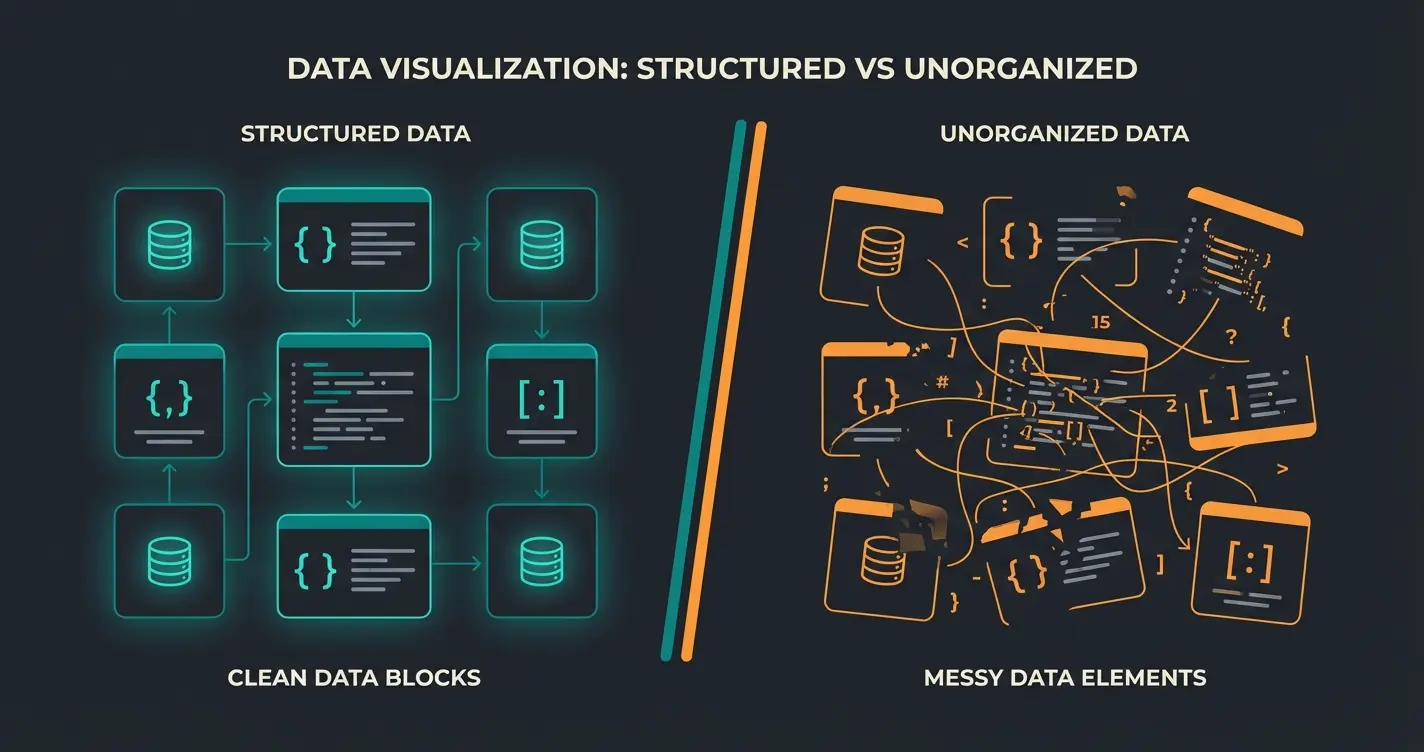
This is where the architecture difference becomes commercial. Shopware stores product attributes, weight, size, material, technical values, in structured property sets, so an AI product consultation employee can answer "show me bikes under 15 kg" by reading a clean field. WooCommerce often keeps the same data in free-text custom fields, so the AI has to parse HTML and the error rate climbs. It is not that WooCommerce cannot do this; it is that WooCommerce needs disciplined data maintenance or a PIM layer to reach the same quality.
The payoff is measurable. Neudorff, a garden and plant-care retailer with a legally sensitive, consulting-intensive catalog, deployed an AI product-consultation employee named Flora. The result: 97% accuracy on product recommendations, an average response under 5 seconds, and 99% lower cost per consultation (Neudorff AI advisor case study). For consulting-heavy catalogs, that kind of guidance moves the numbers that matter, with our clients seeing up to 35% higher basket value.
Which platform fits your business?
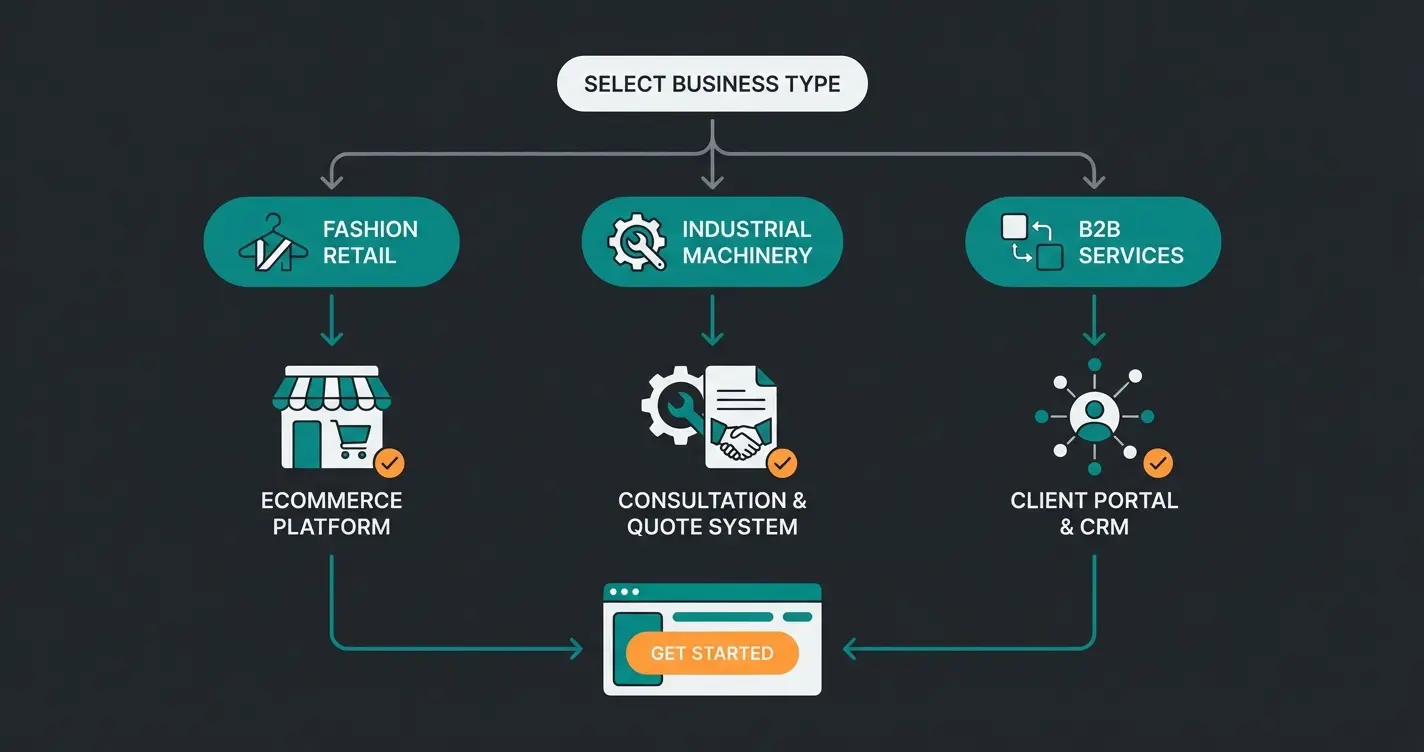
Pick Shopware if you sell complex or B2B products, need ERP integration, or plan to scale. Pick WooCommerce if you run a content-led or budget-first shop already on WordPress with straightforward product needs. If neither fits cleanly, the wider field is worth a look before you commit. This comparison sits inside our broader Shopware platform comparison hub.
| Your profile | Better fit | Why |
|---|---|---|
| Content-led brand, simple catalog, on WordPress | WooCommerce | Fastest launch, unmatched content-plus-commerce |
| B2B, technical or configurable products | Shopware | Native B2B, structured data, ERP connectivity |
| Tight budget, DIY team, low volume | WooCommerce | Lowest entry cost, largest plugin ecosystem |
| Scaling plan, dev resources, long horizon | Shopware | Predictable TCO, fewer plugin risks at scale |
If you are still cross-shopping, compare the alternatives directly: browse all Shopware alternatives, or specific pairings like Shopware vs PrestaShop, Shopware vs OXID and Shopware vs JTL. The point is not to find the best platform in the abstract. It is to find the one that fits how you actually sell.
Frequently asked questions
In year one, usually yes. The plugin is free, so a small shop can launch for the cost of hosting and a theme. But over three years the gap narrows once you add compliance plugins, premium extensions and agency maintenance, which in our scenario reach around 5,000 EUR per year.
For most B2B stores, yes. Shopware ships company accounts, roles, budgets, quotes and customer-specific price lists as native components in its Evolve and Beyond tiers. WooCommerce reaches the same functionality only by combining several third-party plugins, which raises both cost and maintenance risk.
Yes. Shopware's Migration Assistant and services like LitExtension move products, customers and orders. The critical step most teams underestimate is redirect mapping: without proper 301 redirects, you lose the SEO rankings your old URLs earned. Plan that work before go-live, not after.
Both can rank well; the difference is content tooling. WooCommerce inherits WordPress's mature content and blogging stack, which suits editorial-led SEO. Shopware offers solid technical SEO and clean structured data. If content marketing is your main channel, WooCommerce has a slight edge out of the box.
Yes, but not out of the box. You need plugins such as Germanized to add the button solution, base prices, delivery-time display and GDPR-compliant checkout. Budget roughly 200 to 400 EUR per year for compliance plugins. Shopware handles these requirements natively in the core.
Shopware, by a margin, because its structured property sets give an AI clean data to read. WooCommerce works too, but often stores product details in free-text fields, so it needs disciplined data maintenance or a PIM layer. A Qualimero client reached 97% recommendation accuracy on a consulting-intensive catalog.
Shopware or WooCommerce, the platform is only half the equation. A KI-Mitarbeiter advises your customers in real time and lifts basket value by up to 35%. Book a live demo on your own products and see the difference.
Book a demo
Kevin is CTO and co-founder of Qualimero. As an AI architect with over 15 years of experience as CTO and CPO in the tech industry, he designs the AI systems that automate tens of thousands of customer interactions daily for Qualimero's clients — reliably, securely, and at scale.