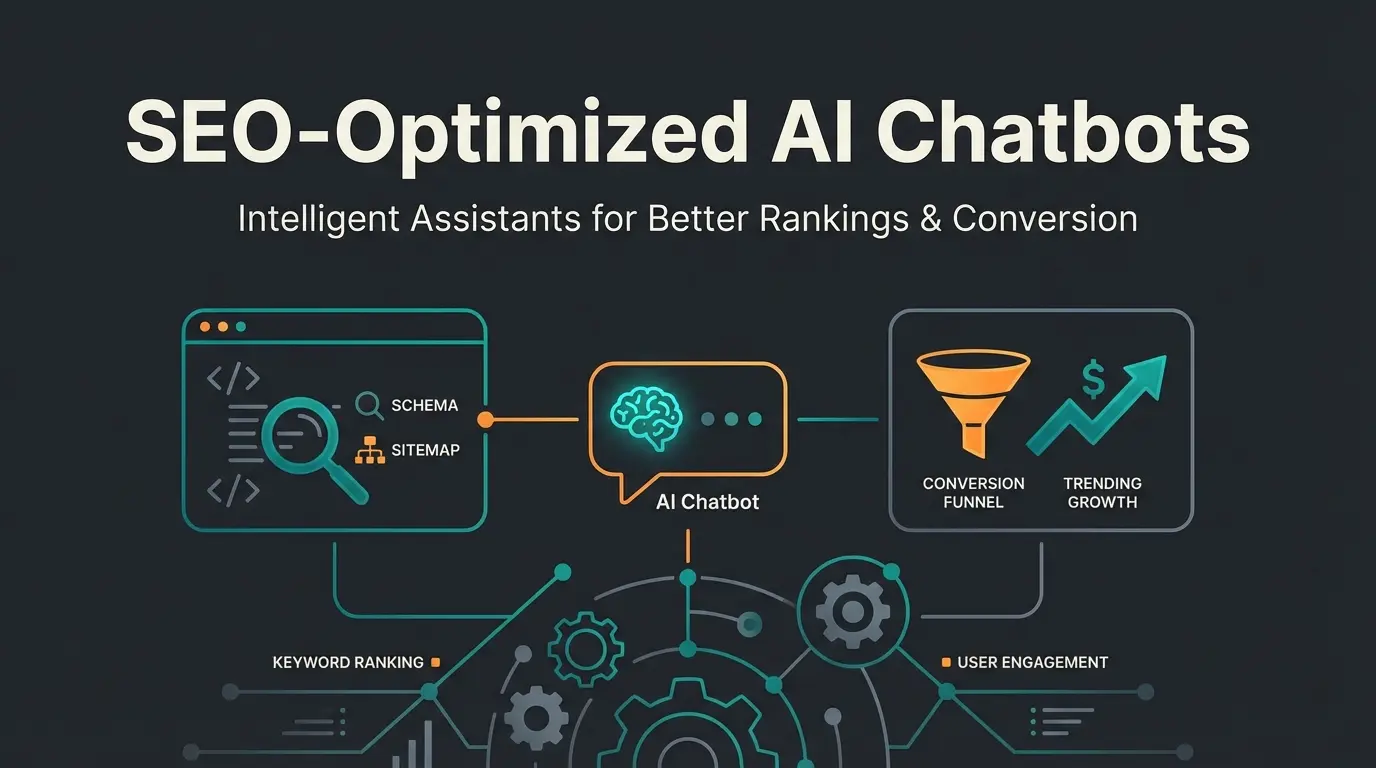
Why Your WooCommerce Store Isn't Ranking Despite Green Lights
You've installed Yoast SEO or RankMath. All the lights are green. You've researched keywords, written meta descriptions, and compressed your images. And yet, traffic is stagnating, or worse: visitors come but don't buy and disappear again after just a few seconds.
Welcome to the reality of WooCommerce SEO in 2026.
The times when SEO (Search Engine Optimization) was a purely technical discipline focused on feeding algorithms with keywords are over. Google has undergone massive changes with updates like the Helpful Content Update and the introduction of the Search Generative Experience (SGE). According to AIOSEO, the search engine now understands not only what users are searching for but also whether they are satisfied on your page. This fundamental shift, as WordStream explains, means that user satisfaction metrics have become critical ranking factors.
In this article, we'll reveal why standard guides for SEO WooCommerce often fall short. We'll show you how to move from mere 'findability' to genuine 'consultation competence.' We'll bridge the gap between technical optimization and Conversational Commerce—using cutting-edge AI strategies that increase your dwell time, reduce returns, and secure your rankings sustainably. If you're also interested in other platforms, our comprehensive Shopware SEO Guide covers similar optimization strategies for Shopware stores.
The Foundation: Essential Hygiene Factors for WooCommerce
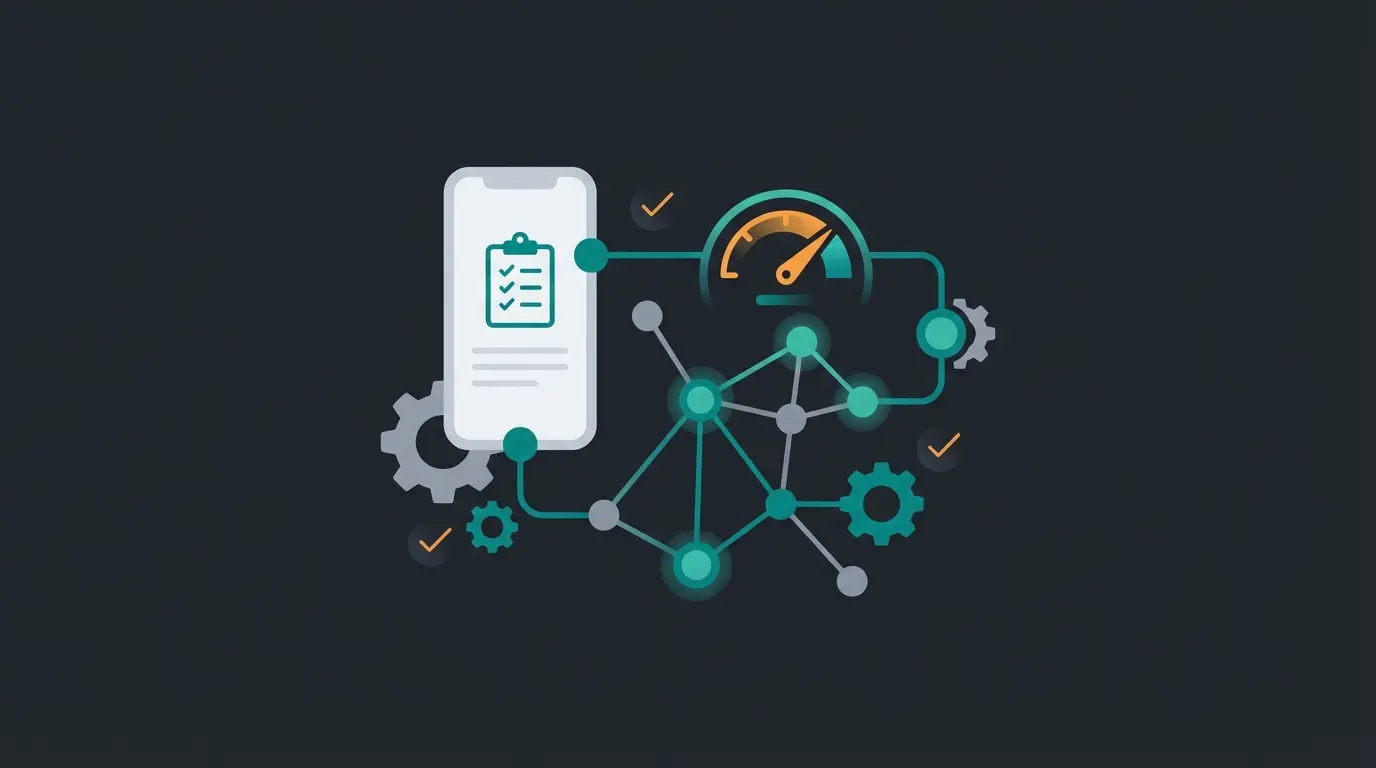
Before we dive into the advanced strategies of AI-powered consultation, we need to ensure your store's technical foundation is solid. Consider these points as 'hygiene factors': they don't guarantee victory, but without them, you're not even allowed to play the game.
Technical Performance and Core Web Vitals (INP)
In 2024, Google replaced First Input Delay (FID) with Interaction to Next Paint (INP), as documented by Spyce Media and Search Engine Journal. This means it's no longer enough for your page to load quickly—it must respond quickly.
- The Problem: A user clicks 'Add to Cart' or opens a filter, and the page freezes for milliseconds.
- The SEO Consequence: Google penalizes sluggish interactions because they massively disrupt user experience (UX).
- Solution for WooCommerce: Use high-performance hosting (e.g., Kinsta or specialized WordPress hosts), implement caching (WP Rocket), and optimize JavaScript execution.
Mobile-First Is the Law
Over 60% of e-commerce revenue is now generated through mobile devices. WooCommerce SEO optimization today means primarily mobile optimization. Check not only the appearance but also usability: Are buttons reachable with your thumb? Do pop-ups cover the content? These elements directly impact your search rankings and user satisfaction metrics.
The Plugin Foundation: Tools Are Just Tools
Tools like Yoast SEO, RankMath, or AIOSEO are powerful, but they're just tools, as BossSEO emphasizes. For a deeper dive into choosing the right plugin for your needs, check out our guide on WooCommerce SEO plugins.
- Sitemaps: Ensure your XML sitemap is automatically submitted to Google Search Console.
- NoIndex: Set unimportant pages (cart, my account, checkout) to `noindex` to avoid wasting crawl budget.
- Schema Markup: Configure product structured data correctly for rich snippets in search results.
The Hidden Ranking Factor: User Signals Explained
This is where the wheat separates from the chaff. While most agencies talk about keywords, professionals analyze User Signals. Google measures very precisely how users interact with your store. These signals are the most direct indicator of your content's quality.
Dwell Time vs. Bounce Rate: The Critical Metrics
According to Orbit Media, these two metrics work together to tell Google about your content quality:
- Bounce Rate: A user comes from Google to your product page, doesn't immediately find what they're looking for, and clicks 'Back' to the search result. This is the worst signal you can send to Google (Pogo-Sticking). It says: 'This result was not relevant.'
- Dwell Time: The time a user spends on your page before returning to Google (or ideally, making a purchase). High dwell time signals: 'There's valuable information here.'
Studies from Contentsquare show that a high bounce rate often correlates with lower rankings. This correlation becomes even more significant as Google's algorithms become more sophisticated at measuring user satisfaction.
The Static Product Page Dilemma
Classic WooCommerce product pages are often text deserts. Long descriptions, technical data sheets, and static FAQs dominate the landscape.
- User Behavior: Users only scan. They don't read 1,000 words of text to find out if a spare part fits.
- The Consequence: They don't find the answer quickly enough -> Bounce -> Ranking loss.
Here's your opportunity: We need to transform the page from a static catalog into an interactive consultation space. This approach aligns perfectly with implementing AI product recommendations that keep users engaged and moving through your sales funnel.
Users spend only 10 seconds scanning a product page before deciding to stay or leave
More than half of mobile visitors leave if they can't find information quickly
Users who have a negative experience are unlikely to return to the same store
Conversational Commerce as an SEO Strategy
Imagine entering a physical specialty store. Would you stand there silently reading labels for 15 minutes? No. You would ask a salesperson: 'Does this battery also fit my 2018 model?'
In e-commerce, this interaction was previously missing. Conversational SEO changes that. By deploying AI consultants directly on the product page, we achieve two goals: we help the user (conversion) and we keep them on the page (SEO). This is where AI Product Consultation becomes a game-changer for your WooCommerce store.
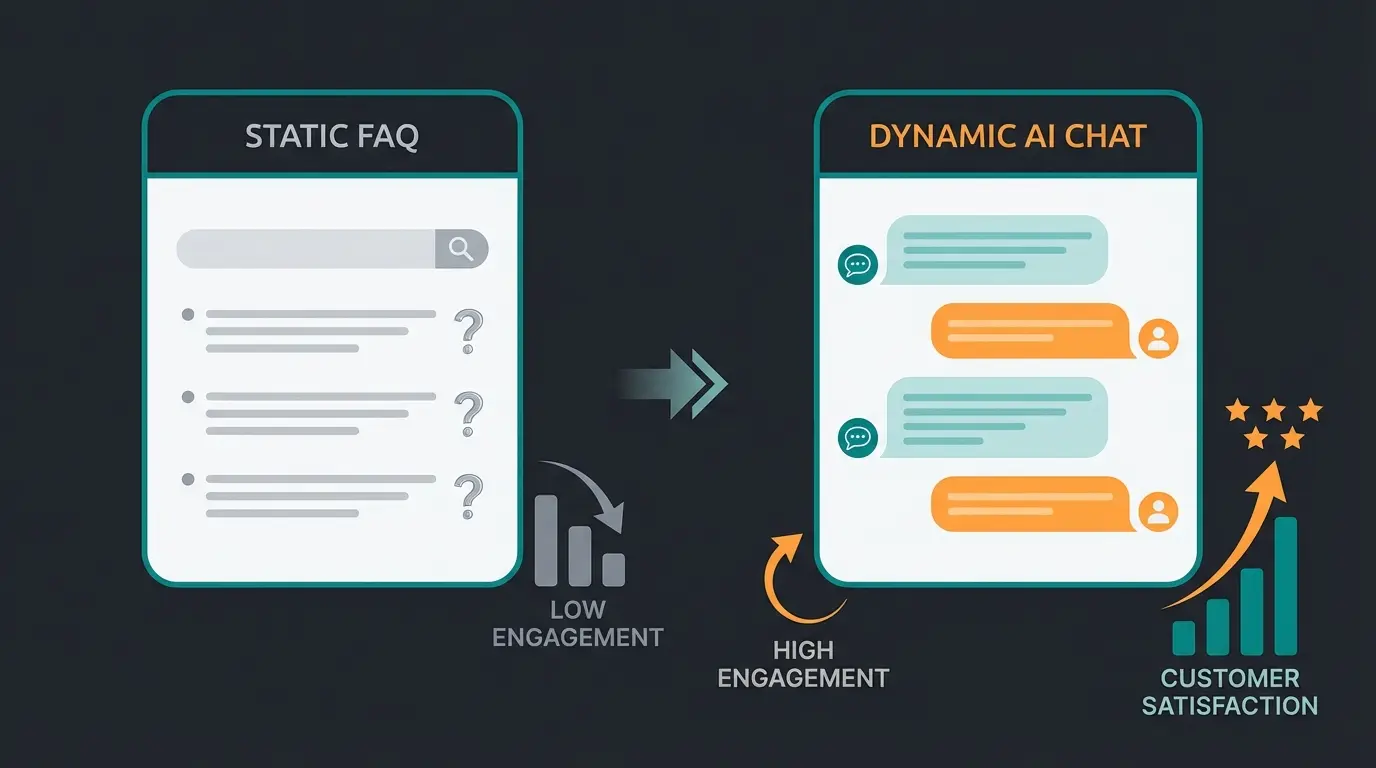
Comparison: Static FAQ vs. AI Consultation
| Feature | Static Product Description / FAQ | AI-Powered Consultation | SEO Impact |
|---|---|---|---|
| Interaction | Passive reading (scanning) | Active dialogue (Q&A) | Dwell time increases massively |
| Information | One size fits all | Personalized answers | Relevance signal increases |
| User Journey | Linear & often dead-end | Dynamic & solution-oriented | Bounce rate decreases |
| Data | No feedback | Real-time question analysis | New keyword insights |
Why 'Consultation' Is the New 'Selling'
As OMR and MarketingAid explain, Google places extreme value on E-E-A-T (Experience, Expertise, Authoritativeness, Trust) in its Quality Rater Guidelines. An AI bot that answers specific questions about your products (e.g., 'How do I best care for this leather shoe?' or 'Is this plugin compatible with Theme X?') demonstrates Expertise and Trust.
The SEO Lever: When a user starts chatting with your AI tool, the following happens:
- They stop scrolling (Scroll-Stop).
- They type (Interaction).
- They read the answer (Dwell time).
- They click through to recommended accessories (Internal linking).
Studies from Arena.im confirm that the use of AI chatbots can reduce bounce rates by up to 30%. For Google, this is a clear signal: This page is helpful. This is why implementing AI Chatbots E-Commerce solutions has become essential for modern WooCommerce stores.
Stop losing customers to confusion. Our AI-powered consultation tool keeps visitors engaged, answers their questions instantly, and sends positive signals to search engines—all while boosting your conversion rates.
Start Your Free TrialReturn Management as an SEO Factor
An often overlooked aspect of SEO for WooCommerce is the return rate. In Germany, the return rate in e-commerce is extremely high—sometimes up to 50% in the fashion sector, according to Retail News and EHI.
What Do Returns Have to Do with SEO?
Indirectly, quite a lot:
- Brand Signals: High return rates often lead to dissatisfaction and bad reviews (Google Reviews). Bad reviews harm your local SEO and trust.
- User Experience: When users buy products that don't fit and have to return them, it signals a discrepancy between product promise (content) and reality.
The Solution: Better consultation before the purchase. When your AI solution clarifies that a garment 'runs small' or a spare part 'is not suitable for Series B,' you prevent the wrong purchase. As Spiegel reports, a single return often costs retailers over €10 in processing fees alone.
- Fewer returns = Higher margins
- Happier customers = Better brand signals = Better SEO
This is where AI consulting E-Commerce becomes not just a nice-to-have but a strategic necessity for sustainable growth.
Advanced Strategy: Mining AI Data for Keywords
Most SEOs use tools like Semrush or Ahrefs. These tools show you what users searched for in the past on Google. But what are users searching for right now on your site?
The Data Treasure in Your Chat Logs
When you deploy AI consultation on your WooCommerce site, your users generate hundreds of questions daily. This is gold for your content strategy.
An Example: You sell coffee machines.
- Standard keyword research: 'buy coffee machine', 'coffee machine test'.
- AI chat log analysis: 50 users asked last month: 'How loud is the grinder compared to Brand X?'
The SEO Action: Create new content based on these real user questions!
- Add a section 'Noise Level & Comparison' to the product description.
- Write a blog article: 'The Ultimate Noise Comparison: Our Top 5 Quietest Coffee Machines.'
This way, you target long-tail keywords that your competition doesn't even have on their radar because they don't appear in any standard tool. You optimize exactly for the user intent of your target audience. For more insights on leveraging AI for customer engagement, explore our guide on AI customer service solutions.
Gather all customer questions from your AI consultation tool over 30 days
Analyze recurring questions and themes that appear frequently
Cross-reference discovered topics with keyword tools for volume data
Build blog posts, product sections, or landing pages addressing these specific queries
Track rankings and continue mining new questions for ongoing optimization
Technical Implementation: Schema and Structure
For your WooCommerce SEO optimization to take effect technically and for Google to understand your content, we need to use structured data effectively.
Product Schema Essentials
WooCommerce sets schema markup by default. Ensure the following data is passed completely to appear in Google Shopping tabs and Rich Snippets:
- `aggregateRating` (Reviews)
- `offers` (Price & Availability)
- `shippingDetails` (Shipping costs—important for customer trust!)
- `hasMerchantReturnPolicy` (Return policy)
FAQ Schema for Dynamic Content
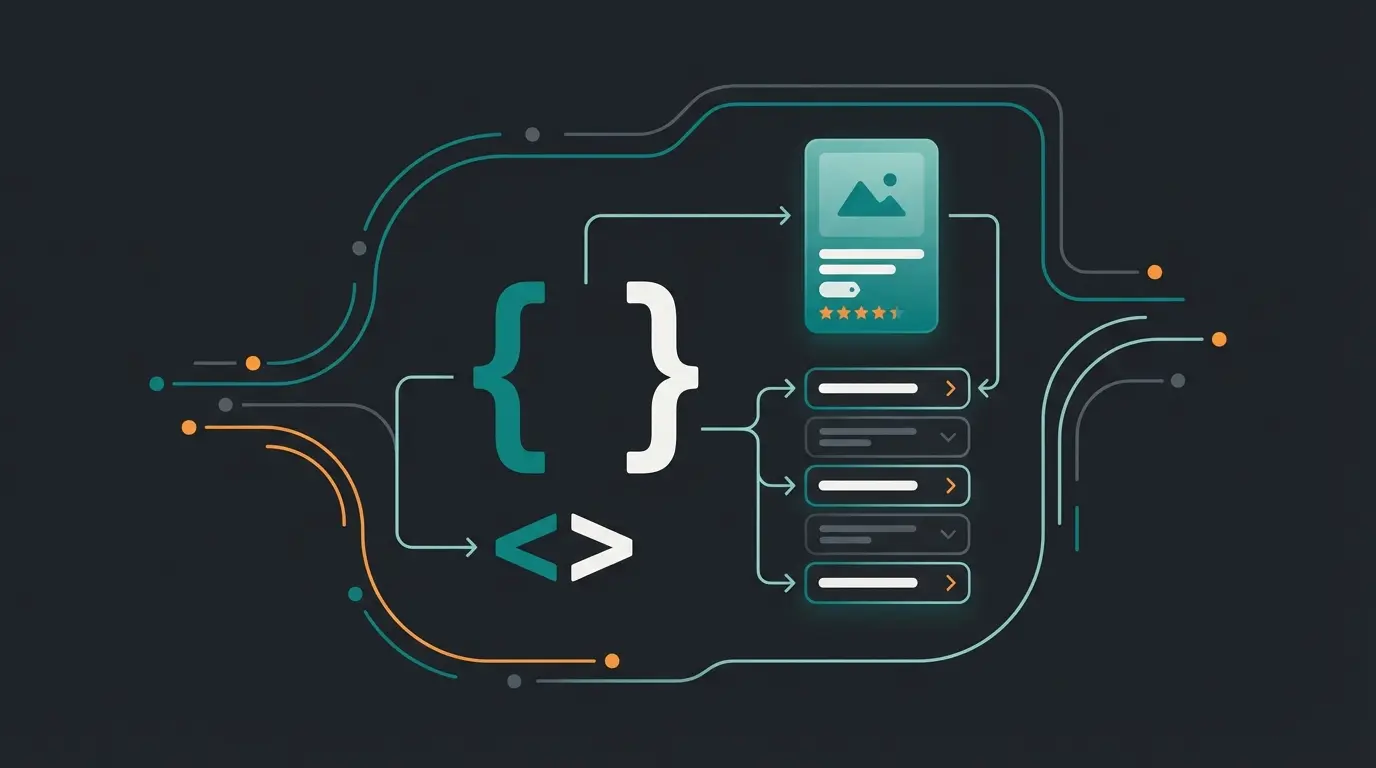
Even if your consultation happens dynamically via AI, you should output the most common questions (which you gained from the mining in the previous section) statically as FAQ under the product and mark them up with Schema Markup. This increases the chance of appearing directly in search results with an FAQ box (more space in SERPs = higher click-through rate).
Code Snippet (JSON-LD Example for FAQ):
```json <script type="application/ld+json"> { "@context": "https://schema.org", "@type": "FAQPage", "mainEntity": [{ "@type": "Question", "name": "Is this spare part compatible with Model XY?", "acceptedAnswer": { "@type": "Answer", "text": "Yes, this part is certified for series A, B, and C. For Model D, you need Adapter Z." } }, { "@type": "Question", "name": "How long does shipping take within the country?", "acceptedAnswer": { "@type": "Answer", "text": "For orders placed before 2 PM, we ship the same day via express courier. Delivery time is 1-2 business days." } }] } </script> ```
Optimizing for 'Buying Guides' Keywords
The keyword 'buying guide' is very strong in search results. To capitalize on this search intent:
- Create category pages that don't just list products but contain text blocks that function as buying guides.
- Use headings like: 'What to Consider When Buying [Product Category]'.
- Prominently integrate your AI consultant here as an 'Interactive Buying Guide'.
This approach mirrors the strategies we recommend for Shopware users who want to optimize Shopware product pages for maximum conversion and SEO impact.
The Modern WooCommerce SEO Flywheel Strategy
Let's summarize how this strategy reinforces itself. We call it the SEO Flywheel:
Technical optimization brings users to your page through better rankings
Intelligent chatbot catches users, answers questions instantly, and increases engagement
Dwell time increases, bounce rate decreases, sending quality signals to Google
Google rewards positive signals with higher search positions
Higher positions bring more users to your store
More users ask more questions, generating new content ideas and keywords
This cyclical approach means every element strengthens the others. Your AI product consultation doesn't just help individual customers—it generates data that improves your entire content strategy.
The Five Questions Every Product Page Must Answer
Whether through your content or your AI, every product page must address these fundamental customer concerns:
- Compatibility: Does this fit with what I already have?
- Application: How do I use/install it correctly?
- Differentiation: Why this model and not the cheaper one next to it?
- Care/Maintenance: What awaits me after the purchase?
- Trust: What happens if I don't like it? (Return process)
Can you answer these questions in 2,000 words of text? Yes. Will anyone read it? No. Let an AI answer these questions in dialogue—and watch your SEO metrics climb. This is exactly the approach that makes AI-powered consultation so effective for modern e-commerce.
Implementing AI Consultation for Maximum SEO Impact
The implementation of AI Chatbot for E-Commerce solutions requires strategic thinking about placement, training, and optimization. Here's how to maximize SEO impact:
Strategic Placement on Product Pages
Don't hide your AI consultation tool. Place it prominently where users naturally have questions:
- Near product specifications (for compatibility questions)
- Below the main product description (for detailed inquiries)
- Next to the 'Add to Cart' button (for last-minute concerns)
- In a sticky widget that follows scrolling (for continuous access)
Training Your AI for SEO Success
Your AI consultant should be trained not just to answer questions but to create SEO value:
- Use product-specific terminology that matches search queries
- Reference internal pages and products to strengthen internal linking
- Capture common questions for FAQ schema implementation
- Generate engagement that keeps users on your site longer
For businesses looking to expand beyond their website, our guide on AI product consultation covers multi-channel implementation strategies.
Measuring Success: KPIs That Matter
When implementing conversational SEO strategies, track these key performance indicators:
Average improvement in time-on-page after AI consultation implementation
Typical decrease in bounce rate with interactive product guidance
Expected improvement in purchase completion with AI assistance
Return on investment for AI consultation tools within first year
The Future of WooCommerce SEO
As we look toward the future of AI e-commerce, several trends are emerging that will shape WooCommerce SEO:
- Voice Search Integration: AI consultants that can handle voice queries will become essential as voice commerce grows
- Visual Search Optimization: AI that can interpret and respond to image-based queries
- Predictive Consultation: AI that anticipates user questions before they're asked
- Cross-Platform Consistency: Unified AI consultation across website, mobile app, and messaging platforms

Conclusion: SEO Is No Longer a One-Way Street
Anyone who understands WooCommerce SEO in 2026 as merely filling out meta tags is leaving revenue on the table. Competition for top keywords is fierce and expensive.
The real opportunity lies in the quality of interaction. By transforming your store from a silent shelf into an intelligent consultant, you serve exactly what Google (and your customers) want: Helpful content, fast answers, and an excellent shopping experience.
Your Action Plan
- Check your Core Web Vitals (INP) and fix any performance issues
- Analyze your bounce rates on your most important product pages
- Implement an AI-powered consultation solution to bridge the gap between traffic and revenue
- Use your customers' questions to continuously expand your content
- Monitor user signals and iterate based on real engagement data
Stop optimizing only for bots. Optimize for the human asking questions. The bot will follow.
AI consultation improves WooCommerce SEO by significantly increasing dwell time, reducing bounce rates, and sending positive user engagement signals to Google. When users interact with an AI consultant, they stay on your page longer, explore more products, and demonstrate to search engines that your content is valuable and relevant to their search intent.
Traditional SEO focuses on keywords, meta tags, and technical optimization to get users to your page. Conversational SEO takes this further by optimizing for user engagement after they arrive. It uses interactive elements like AI chatbots to answer questions, guide purchasing decisions, and keep users engaged—all signals that Google uses to determine ranking quality.
Your AI consultation tool collects real questions from actual customers. Analyze these chat logs monthly to identify recurring themes and questions that don't appear in traditional keyword tools. Create targeted content addressing these specific queries—this gives you access to valuable long-tail keywords your competitors miss.
WooCommerce provides basic SEO foundations like customizable URLs, title tags, and meta descriptions. However, for comprehensive SEO optimization, you'll need plugins like Yoast SEO or RankMath. These handle sitemaps, schema markup, and advanced on-page optimization. For maximum impact, combine these technical tools with AI-powered engagement solutions.
High return rates indirectly harm SEO through negative reviews, decreased customer trust, and poor brand signals. When customers return products due to unmet expectations, they often leave negative feedback that damages your store's reputation. AI consultation helps by providing accurate pre-purchase guidance, reducing returns by ensuring customers buy the right products the first time.
Join hundreds of e-commerce businesses already using AI-powered consultation to boost rankings, increase engagement, and convert more visitors into loyal customers. Start seeing results within weeks, not months.
Get Started Free Today
Lasse is CEO and co-founder of Qualimero. After completing his MBA at WHU and scaling a company to seven-figure revenue, he founded Qualimero to build AI-powered digital employees for e-commerce. His focus: helping businesses measurably improve customer interaction through intelligent automation.