Why the Shopify Partner Ecosystem Needs a Rethink in 2026
E-commerce in Germany has reached a turning point. While the previous years focused primarily on building online stores, the market has dramatically shifted by 2026. Simply installing an attractive theme and uploading products is no longer sufficient. Merchants today are searching for strategic partners who can transform technological complexity into revenue.
The Shopify Partners Program remains one of the most lucrative ecosystems for digital service providers. However, the "gold rush" mentality of the early 2020s has given way to professionalization. Anyone who wants to succeed as a Shopify Partner today must offer more than standard setups.
This guide goes beyond a simple registration walkthrough. It's a strategic playbook for the German market. We'll examine how to navigate the specific hurdles in Germany (such as the Accessibility Strengthening Act 2025), how to compete against established players like Shopware, and why AI tools have become your most important lever for achieving higher agency fees. If you're exploring Shopify alternatives 2025, understanding the partner ecosystem first is essential.
What Is the Shopify Partner Program? (Basics & Roles)
The Shopify Partners Program is a free network for experts who help merchants succeed on the Shopify platform. It's one of the largest B2B ecosystems worldwide. However, "partner" doesn't mean the same thing for everyone. To find your positioning, you need to understand the different tracks that Shopify has further refined in 2025/2026.
The Different Partner Types
1. Service Partners (Agencies & Freelancers): This is the most common form. You create "Development Stores" for clients, set up the design, migrate data, and hand over the shop to the merchant at the end. The target audience includes web designers, developers, and marketing agencies. Your earnings come from recurring commission (Revenue Share) plus your own service fees.
2. App Developers (Technology Partners): You program extensions that are sold in the Shopify App Store. According to Shopify's developer documentation, developers earn 100% of revenue up to $1 million USD per year, then 85% thereafter.
3. Theme Designers: You design templates (themes) that merchants use for the look and feel of their store. Earnings come from a share of sales in the Theme Store.
4. Shopify Affiliates (Content Creators): Often confused with the classic partner role. The Shopify Affiliate program targets influencers, bloggers, and course providers who send traffic but don't build shops. As outlined in Shopify's affiliate terms, affiliates typically receive one-time bounties per new customer, not ongoing revenue share.
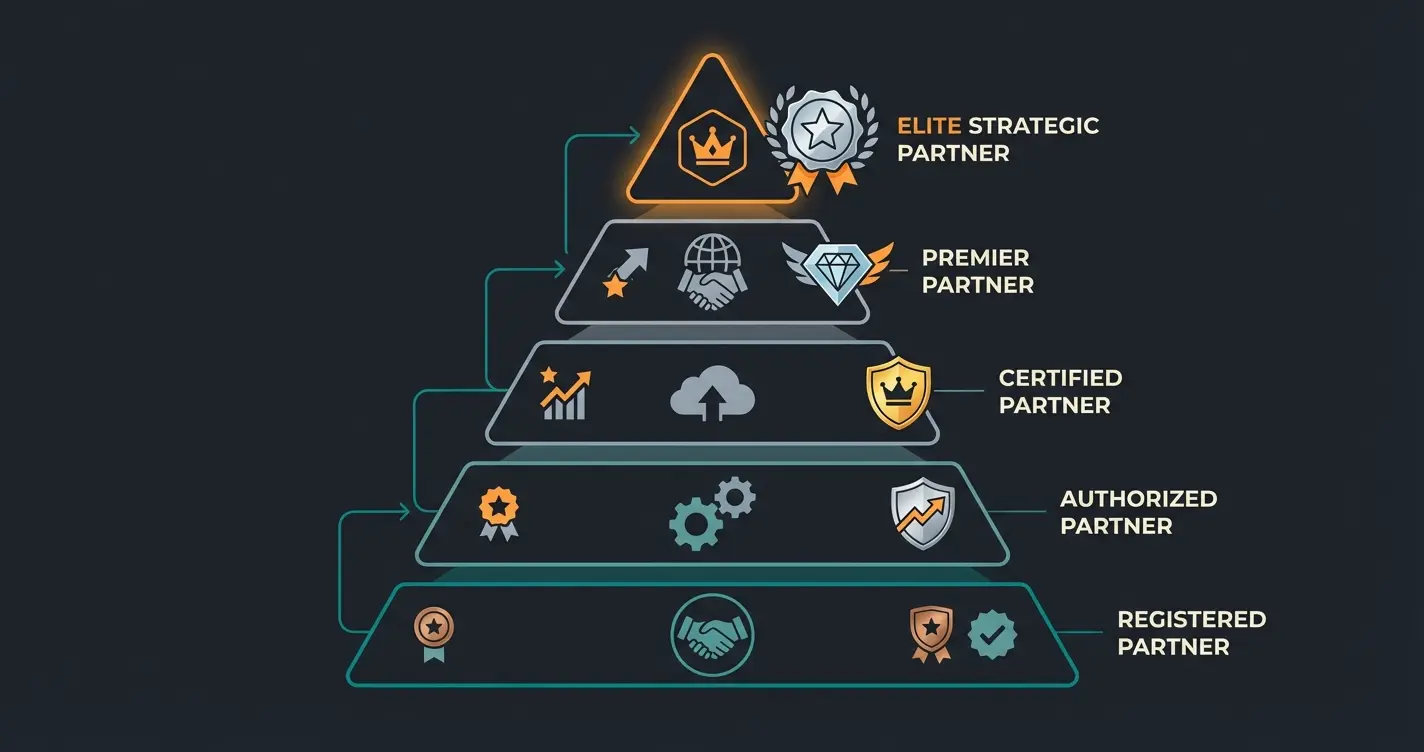
The New Tier System (Performance Levels)
Since the 2025 updates, Shopify differentiates more strongly based on performance. Partners are classified into tiers based on revenue and certified knowledge, as documented in Shopify's partner requirements:
- Registered: The entry level (open to everyone)
- Select: First successes demonstrated
- Plus: For partners serving enterprise clients
- Premier & Platinum: Exclusive tiers for top performers with highest revenue volume and strategic relevance
Earning Potential: How Much Does a Shopify Partner Really Earn?
The topic of money is often treated vaguely. Let's break down the numbers specifically for the German market. As a service partner, you have two income sources: your own service invoices (setup, design, marketing) and commissions from Shopify.
The "20% Revenue Share" Model
The core component for most freelancers and agencies is the recurring commission. When you create a "Development Store" and transfer it to a client, you receive 20% of the monthly base fee that the client pays to Shopify – and this continues as long as the client stays with Shopify and you remain active as a partner. This is confirmed in Shopify's partner compensation documentation.
Revenue Calculator: Your Passive Income Potential
Here's a calculation based on typical Shopify plans in Germany (prices are approximations, as Shopify occasionally adjusts pricing):
| Client Plan | Monthly Fee (approx.) | Your Commission (20%) | Annual Passive Income (per client) | Income with 10 Clients |
|---|---|---|---|---|
| Basic | €36 | €7.20 | €86.40 | €864 |
| Shopify | €105 | €21.00 | €252.00 | €2,520 |
| Advanced | €384 | €76.80 | €921.60 | €9,216 |
| Plus | from €2,300 (varies) | Special conditions | Negotiable / Bounty | High |
Difference: Shopify Partner vs. Shopify Affiliate
It's essential to choose the right program to avoid leaving money on the table. As explained by ConnectPOS, the distinction is crucial for maximizing your earnings.
| Feature | Shopify Partner | Shopify Affiliate |
|---|---|---|
| Target Audience | Developers, agencies who build shops | Bloggers, YouTubers who recommend |
| Activity | Creates Development Stores & transfers them | Shares referral links (tracking links) |
| Compensation | 20% Recurring (Lifetime) | One-time Bounty (e.g., $150) |
| Longevity | Builds passive income | Quick money ("Hit and Run"). |
Step-by-Step: How to Become a Shopify Partner
Many guides stop at registration. Here's the process to be operational within the first 48 hours.
Visit shopify.com/partners, click 'Join Now' - it's completely free, no credit card required
Configure your Stores, Referrals, and Payouts sections - add PayPal or bank account immediately
Click 'Stores' → 'Add store' → select 'Development store' for client projects
Transfer ownership via email invitation - commission starts when client selects paid plan
Step 1: Registration
- Visit the page `shopify.com/partners`
- Click on "Join Now"
- Registration is free. You don't need a credit card.
- Enter your business information. Tip for Germany: Use your official company email, not a @gmail address, to signal professionalism.
Step 2: Understanding the Dashboard
After logging in, you'll land on the Partner Dashboard. This is your command center.
- Stores: Here you create new projects
- Referrals: Here you see your affiliate link (for pure referrals without shop building)
- Payouts: Deposit your PayPal account or bank account here immediately to receive commissions
Step 3: Creating Your First Development Store
This is the most important technical step:
- Click on "Stores" -> "Add store" in the menu
- Select "Development store" (development shop). Important: Don't select "Managed store" unless you have access to an already existing shop from a client.
- Give the shop a name
- Choose "Developer Preview" if you want to test new beta features, or a normal store for client projects
Step 4: The Handoff
Once the shop is fully designed:
- Go to the shop in the dashboard
- Click on "Transfer ownership"
- Enter the client's email
- The payday moment: As soon as the client accepts the invitation and selects a paid plan, your Partner account is automatically linked to this shop and the 20% commission starts flowing
The German Market: What Partners Need to Know (DACH Specifics)
A US-focused guide won't help you in Germany. This is where many international agencies fail. To build trust as a Shopify Partner in Germany, you must master three key topics. For agencies considering other platforms, our Shopware vs Shopify comparison provides valuable insights.
1. Legal Compliance & GDPR
German merchants have a deep fear of legal warnings (Abmahnungen). A partner who "only does design" but forgets the legal notice (Impressum) is useless. As emphasized by IT-Recht Kanzlei, legal compliance is a critical differentiator in the German market.
- Must-Have Apps: Recommend apps like the IT-Recht Kanzlei integration or Händlerbund. These automatically sync legal texts.
- Cookie Banners: Install GDPR-compliant cookie solutions (e.g., Consentmo or Usercentrics) that support "Strict Mode"
- Google Fonts: Ensure fonts are loaded locally to avoid the waves of legal warnings
2. The Accessibility Strengthening Act (BFSG) 2025
Starting June 28, 2025, many online shops in Germany must be accessible (WCAG 2.1 Level AA standards). This is thoroughly documented by Shop-Fabrik and eShop Guide.
- The Risk: Non-compliance can lead to fines and legal warnings
- The Opportunity for Partners: This is the biggest upselling potential of the year. Contact existing and new clients with a "BFSG Audit." Check contrasts, screen reader compatibility, and keyboard navigation. Position yourself as the expert who makes the shop "legally compliant for 2025"
3. Shopify vs. Shopware
In Germany, Shopware is the strongest competitor. Many clients will ask you: "Why Shopify and not Shopware?" For a detailed comparison, see our Shopware partner guide.
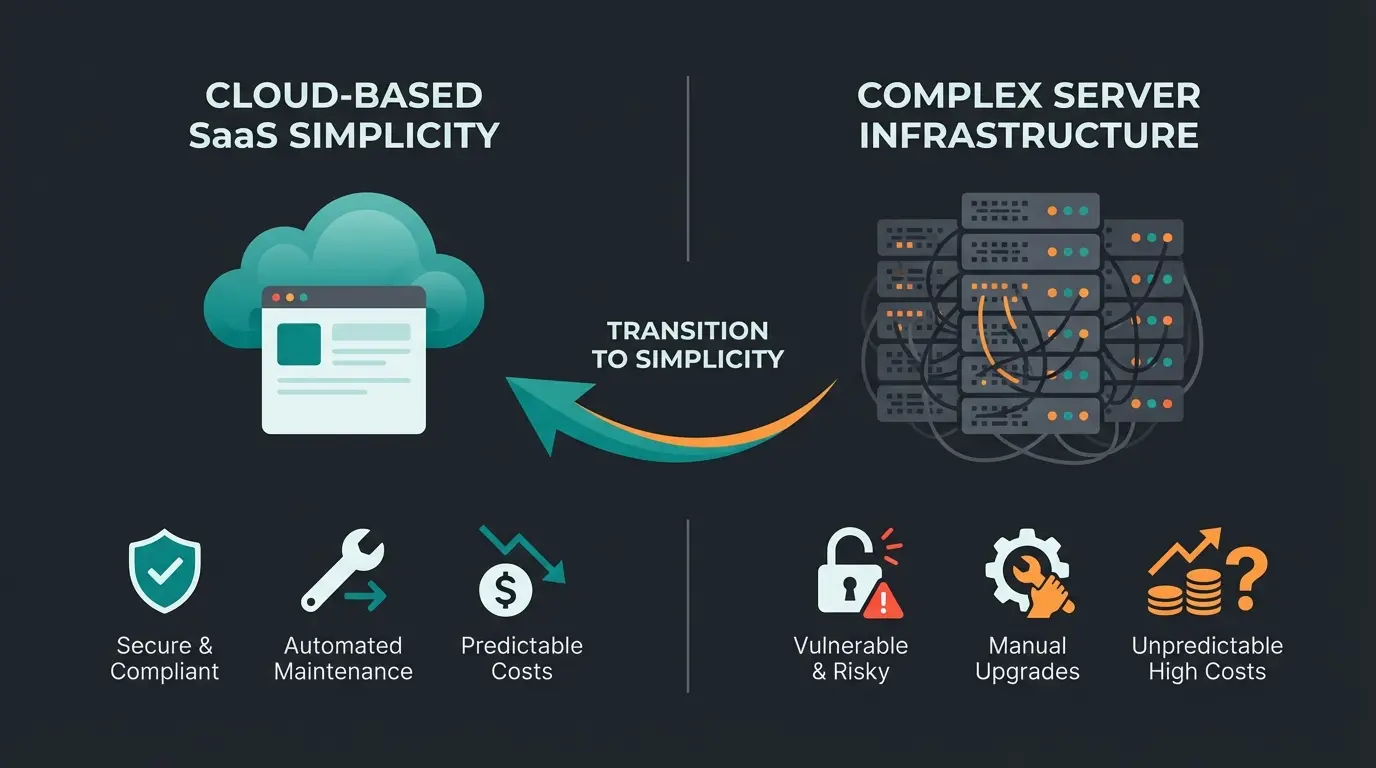
- Your Argument: Shopware (especially Version 6) is powerful but often requires high maintenance costs, hosting management, and expensive updates. Shopify is a SaaS solution (Software as a Service) – no server maintenance, no security patches. Agencies looking for Shopware full service options should consider these total cost differences.
- TCO (Total Cost of Ownership): Calculate for the client that the monthly Shopify fee is often cheaper than the agency hours for Shopware maintenance. Our Shopware agency costs breakdown helps illustrate this comparison.
Discover how leading Shopify Partners are using AI product consultation to increase client revenue and justify premium service fees.
Start Your Free TrialFrom "Shop Builder" to "Growth Architect": The AI Strategy
Here lies your opportunity for differentiation. The market for "I'll install a theme for you" is saturated and price-sensitive. The market for "I'll build you a system that sells" is virtually empty.
The Content Gap: The Tech Stack of the Future
Most partners stop at design. A modern partner in 2026 must implement a conversion tech stack. According to Fulfin and Maxcluster, AI-driven consultation is becoming the key differentiator for successful e-commerce partners.
The Problem: The "Silent" Shop
Classic online stores are passive. The customer searches, maybe finds something, or leaves. Questions are often only answered through static FAQ pages that nobody reads. This is where AI chatbots for e-commerce can transform the customer experience.
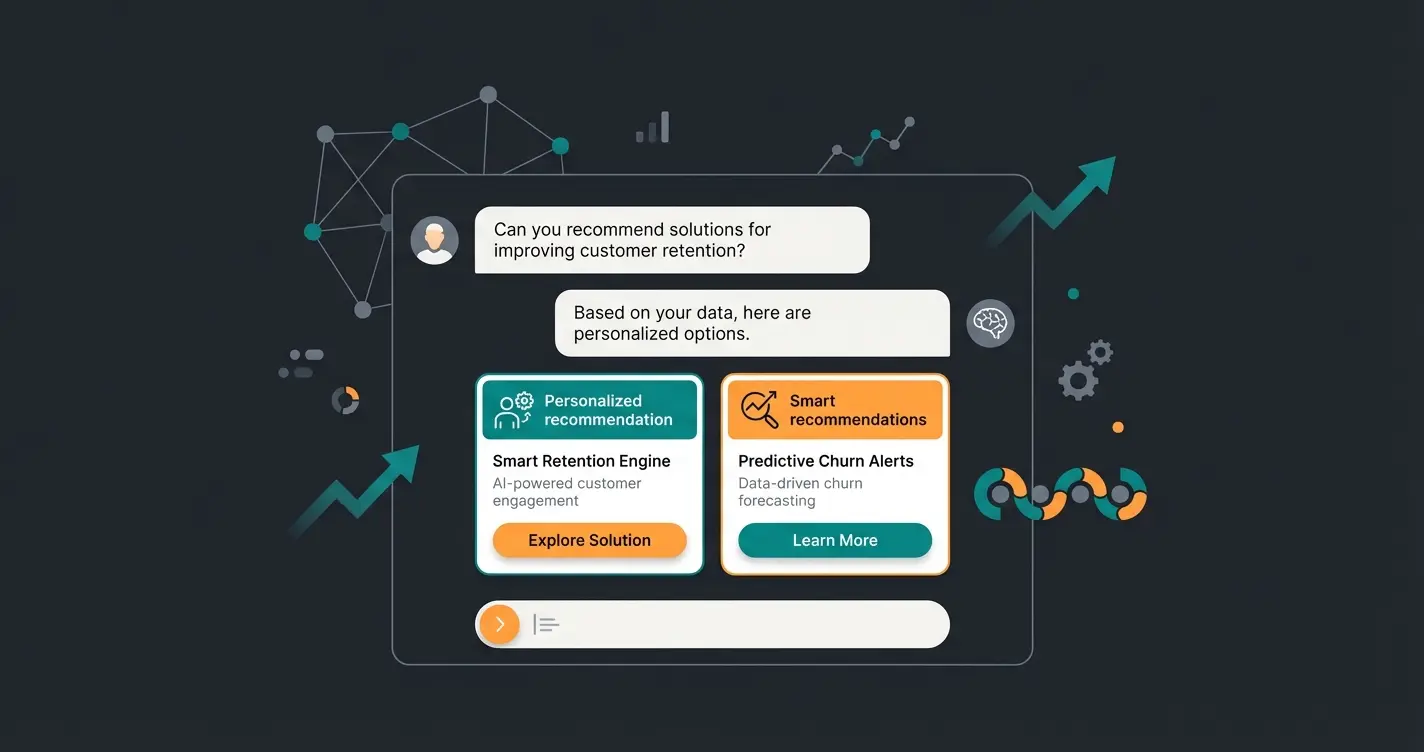
The Solution: AI-Driven Product Consultation
Position yourself as an AI Consultant. Integrate tools that conduct active sales conversations. Understanding AI customer service fundamentals is essential for modern partners.
- Use Case: A client sells complex products (e.g., bicycles or skincare)
- Old Way: Filter menu (size, color)
- New Way (Your Offer): An AI agent that asks: "Where do you usually ride? Off-road or city?" and recommends products based on the response
As a Shopware 6 agency alternative, Shopify partners who master AI tools gain significant competitive advantage. The implementation of AI product consultation solutions can dramatically increase conversion rates for your clients.
Stability, hosting, and platform security
IT-Recht Kanzlei (Legal), Billbee/Lexoffice (Accounting)
Klaviyo (Email Marketing) + AI Sales Consultant (Guided Selling)
By selling this stack, you're not trading time for money – you're selling a solution. You can charge high setup fees for configuring these AI tools since the ROI (Return on Investment) for the merchant is immediately measurable through higher conversion rates. Learn more about AI e-commerce implementation to expand your service offerings.
Shopify Partner vs. Shopify Plus Partner
As you grow, you'll encounter the term "Shopify Plus Partner." What's the difference? According to XeBrand's analysis, the requirements and benefits differ significantly.
| Feature | Standard Partner | Shopify Plus Partner |
|---|---|---|
| Access | Open to everyone | Invite-Only (Application required) |
| Requirements | No minimum revenue | High revenue targets, proven enterprise projects, certifications |
| Benefits | Standard support, Academy access | Listing in exclusive partner directory, leads directly from Shopify, access to beta features |
| Badge | "Shopify Partner" Logo | "Shopify Plus Partner" Badge (high trust signal) |
Working with an AI sales advisor solution can help demonstrate the kind of results that attract Shopify's attention. For inspiration, check out how Gartenfreunde implemented their AI employee to drive impressive results.
Real-World Partner Success Metrics
Understanding what successful Shopify Partners actually achieve helps set realistic expectations. Based on data from partner communities and industry reports, here's what top performers accomplish:
From commission alone, excluding service fees
For partners offering AI consultation services
When implementing AI-driven product recommendations
For partners with AI implementation expertise
These numbers illustrate why evolving beyond basic shop building is crucial. Partners who integrate AI consultation tools into their service offerings consistently outperform those who only offer traditional services.
FAQ: Common Questions About the Partner Program
Yes, there are no monthly fees. Creating Development Stores is also free indefinitely, as long as the shop hasn't gone live yet (up to 50 test orders).
No. Shopify's terms prohibit "Self-Referrals." You don't receive commission for shops that you own or operate yourself. The program is designed to acquire new merchants.
Shopify pays out commissions twice monthly once a minimum amount (usually $25) is reached. Payment is typically made via PayPal or bank transfer. Note that billing is often in USD – factor in exchange rate fluctuations.
The recurring commission (Revenue Share) is only paid as long as the client has an active, paid Shopify account. If the client cancels, your commission also ends.
Not necessarily. Many successful partners are marketing agencies or designers who work with page builders (like PageFly) or ready-made themes. However, for deep customizations, knowledge of HTML, CSS, and Liquid (Shopify's template language) is a significant competitive advantage.
Conclusion & Next Steps
Becoming a Shopify Partner in 2026 is one of the smartest decisions for digital service providers in Germany. The barrier to entry is low, but the bar for excellence has risen.
The market doesn't need more agencies installing standard themes. The market needs e-commerce strategists who:
- Safely navigate the legal pitfalls (BFSG, GDPR)
- Modernize the technology stack (moving from mere filters to AI consultation)
- Participate long-term in the merchant's success
Your Action Plan for Today
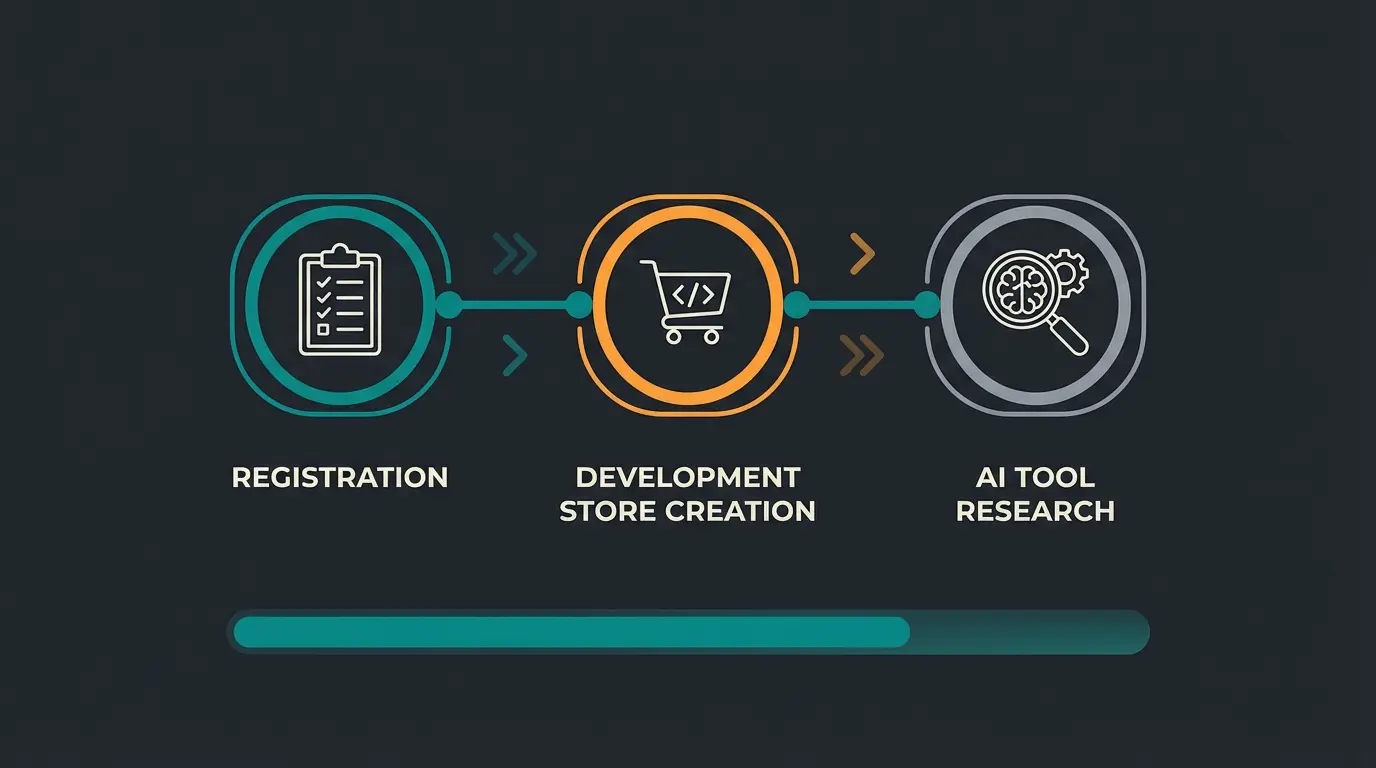
- Register in the Partner Dashboard at shopify.com/partners
- Create a "sandbox" shop to familiarize yourself with the new Checkout Extensibility feature
- Research 3 AI tools that you can offer your first client as a "conversion booster"
Start now – the e-commerce boom in the DACH region is far from over; it's just getting smarter.
Join hundreds of agencies already using AI-powered product consultation to deliver exceptional results for their Shopify clients. Start your transformation today.
Get Started Now