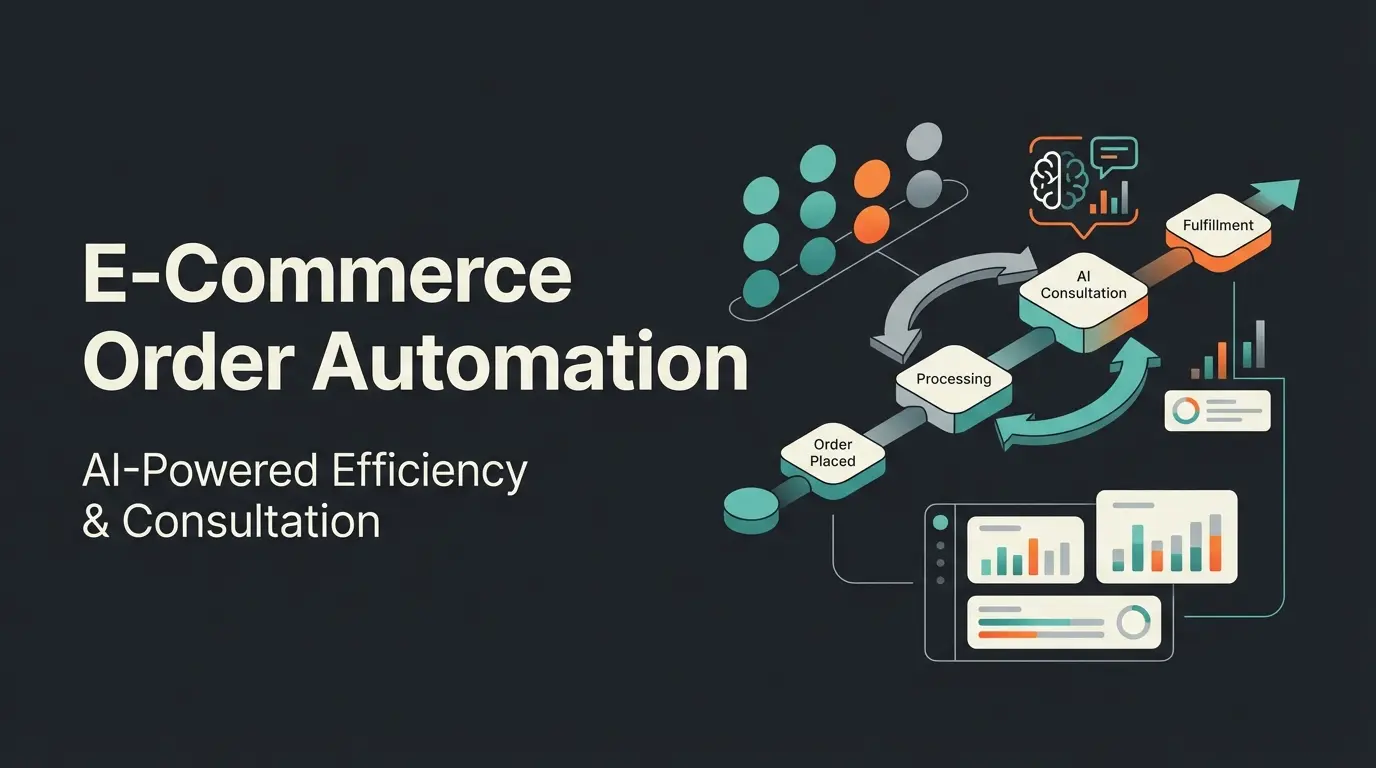
Introduction: The Hidden Cost Burning Through Your Profits
Imagine burning a €10 bill with every tenth order. Sounds absurd? That's exactly what happens daily in thousands of German online shops. A Shopify complaint is far more than just a logistical inconvenience—it's a profit killer that silently drains your margins.
Current studies from the EHI Retail Institute show that average costs per returned item range between €5 and €10—in complex cases even up to €20. According to FashionUnited, these costs are compounding as return rates continue to rise across the industry. Yet while most merchants pour their energy into speeding up the return process (reaction), the real gold lies in prevention.
In this article, you'll learn not only how to technically resolve a Shopify customer complaint cleanly in your admin area. We go deeper. We close the gap that most guides ignore: How better consultation before the purchase—supported by modern AI—can steer your customers' expectations so precisely that the return reason 'item doesn't match description' becomes a thing of the past.
From the legal difference between warranty and withdrawal rights to implementing an 'AI Sales Consultant'—here's your comprehensive guide to mastering complaints and returns in 2024 and beyond.
What Is a Shopify Complaint Actually? Definitions & Legal Framework
Before we dive into the technical details of your Shopify backend, we need to clarify the foundation. In everyday language, customers (and unfortunately many shop operators too) throw terms like 'complaint,' 'return,' and 'exchange' into one pot. Legally and process-wise, however, these are completely different scenarios with different obligations for you as a merchant.
1. The Withdrawal (The Classic 'Return')
This is the most common case in e-commerce, often incorrectly referred to as an online shop complaint.
- Legal basis: Statutory right of withdrawal (§§ 355 ff. BGB in Germany, similar EU-wide regulations)
- Timeframe: 14 days from receipt of goods (in the EU)
- Reason: No reason required ('Don't like it,' 'Doesn't fit')
- Costs: The merchant must refund the purchase price including outbound shipping costs. Return shipping costs are borne by the customer, provided you correctly informed them in the withdrawal policy
According to Exali, proper documentation of your withdrawal policy is essential to ensure customers bear return shipping costs when applicable. In the Shopify context, this is the standard 'Create return' process in admin.
2. The Complaint (Warranty / Defect Liability)
Here the actual problem lies with the product. The customer complains because the goods are defective or don't match the description.
- Legal basis: Statutory warranty (24 months in Germany/EU)
- Burden of proof: In the first 12 months, it's presumed the defect already existed upon delivery (reversal of burden of proof in favor of the customer)
- Entitlement: The customer is primarily entitled to subsequent performance (repair or replacement delivery), not immediately to money back
- Costs: The merchant bears all costs (transport, labor, materials)
The Austrian Consumer Ombudsman provides detailed guidance on how this burden of proof works in practice across EU member states.
3. The Guarantee
A purely voluntary promise (usually from the manufacturer) that goes beyond the statutory obligation. As ChannelPartner notes, a guarantee may never restrict the statutory warranty—this is a crucial legal distinction many merchants overlook.
4. The General Complaint
A Shopify complaint doesn't have to relate to the product itself. It can concern the service, delivery time, or packaging. Complaints are often harbingers of returns or negative reviews, but they also offer the greatest opportunity for customer retention through goodwill gestures.
No reason required, customer pays return shipping if informed
For defects, merchant bears all costs
Voluntary manufacturer promise, cannot limit warranty
The Standard Process: How to Resolve a Complaint in Shopify Admin
When the damage is already done and a Shopify customer complaint lands on your desk, speed is essential. Shopify now offers quite robust native functions to handle returns and refunds without necessarily needing expensive third-party apps.
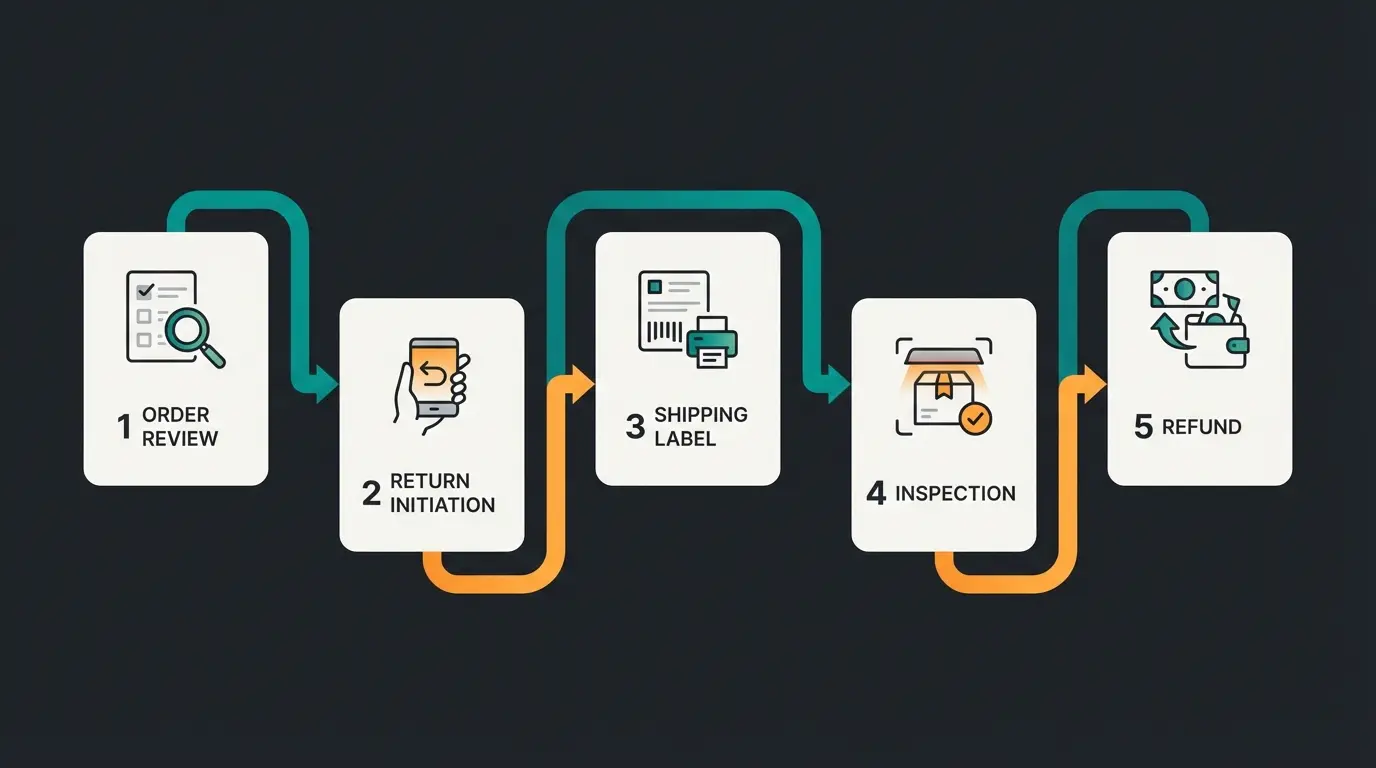
Here's the proven workflow for manual processing according to Shopify's official documentation:
Step 1: Initiate the Return
- Go to Orders in your Shopify admin area
- Click on the affected order
- Select the Return button at the top right
- Enter the quantity of items being returned
Step 2: Return Reason and Shipping
Shopify now asks for the return reason. Use this field conscientiously! Select options like 'Size was too small,' 'Color didn't appeal,' or 'Defective.' As Praella explains, this data becomes invaluable for pattern analysis later.
Shipping label: You can create a return label directly in Shopify (via Shopify Shipping) or choose 'Upload return label' if you use external contracts with carriers like DHL, UPS, or Hermes.
Step 3: Inspection and Refund
Once the package arrives at your location (or if you trust the customer blindly), process the refund according to Shopify's refund guidelines:
- Open the order again
- Click on Refund
- Important: Decide on the option 'Restock items': For withdrawal (new goods): Check the box (Inventory +1). For defect (complaint): Uncheck the box (Inventory stays the same, goods are waste)
- Enter the amount to refund (possibly minus return shipping costs if your policy allows)
- Confirm with 'Refund'
Revize offers additional automation tools that can streamline this process for high-volume stores.
The Exchange Function
Since 2024, Shopify has improved the native ability to process exchanges. You can now select a replacement item directly in the return process. This is particularly valuable for keeping revenue in-house rather than paying out money. As shown in this Shopify tutorial, the exchange workflow has been significantly streamlined. For more details, see the official exchange documentation.
The True Costs of a Complaint for Your Shop
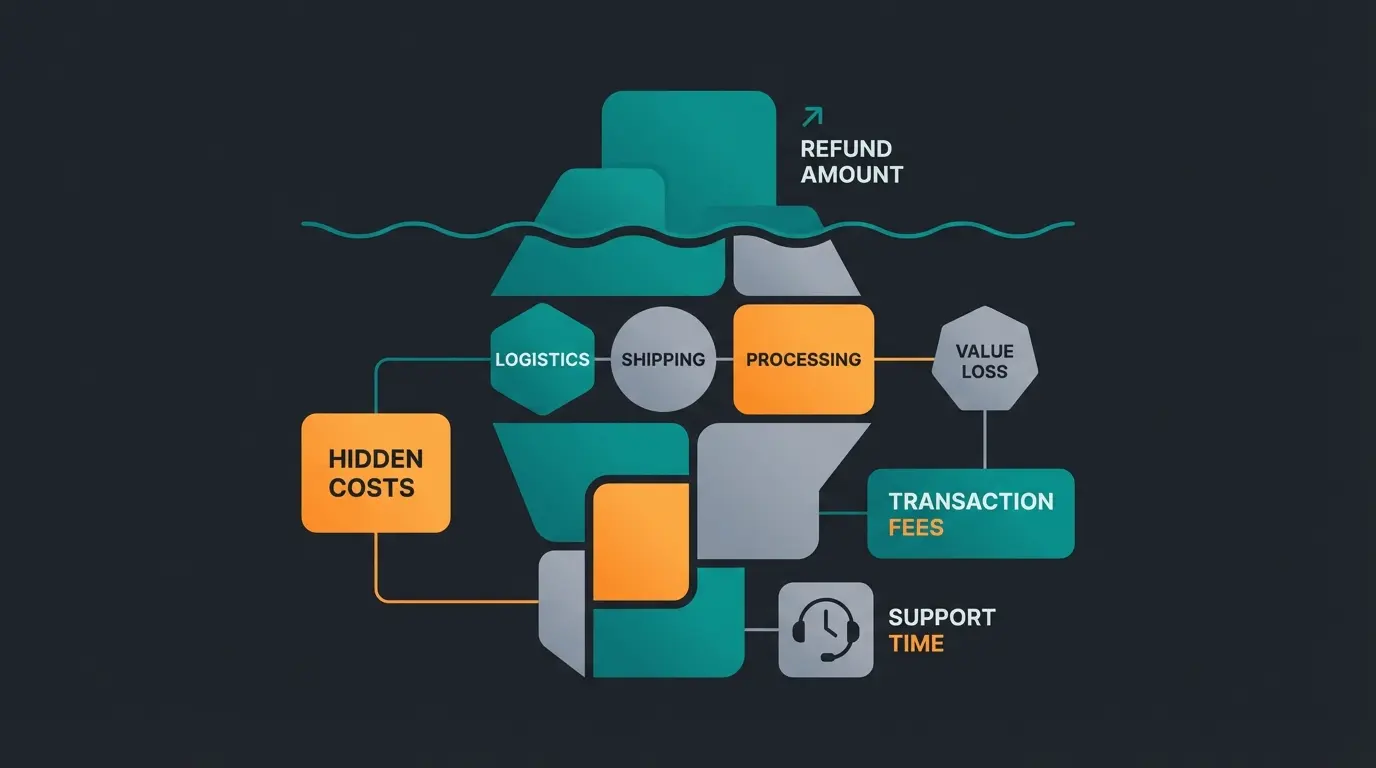
Many merchants look at their dashboard, see 'Refunded amount: €50' and think the loss is €50. That's dangerous back-of-the-napkin math. To approach the topic of Shopify complaints strategically, we need to look at the 'iceberg' below the waterline.
The Iceberg Model of Return Costs
| Cost Type | Description | Estimated Value (Average) |
|---|---|---|
| Visible Costs | Refund of purchase price | 100% of cart value |
| Logistics Costs | Outbound and return shipping (often paid by merchant) | €5.00 - €10.00 |
| Processing Costs | Unpacking, inspecting, ironing, repackaging (quality control) | €3.00 - €7.00 per item |
| Value Loss | Goods are no longer A-grade (B-stock sale or disposal) | 20% - 100% of item value |
| Transaction Fees | Payment fees (often not refunded, e.g., Shopify Payments fees remain) | 1.5% - 3% of revenue |
| Support Effort | Email correspondence, phone calls for clarification | €2.50 per ticket |
According to Shopify's fee structure, transaction fees on refunded orders are typically not returned, adding to the hidden costs of returns.
The Hard Reality
According to the EHI Retail Institute, every returned item costs the merchant an average of €10 in pure process costs. For a t-shirt with a €20 margin, the profit after a return isn't just gone—you're actually paying extra.
Especially in the fashion sector, where return rates of 50% are not uncommon according to Retourenforschung.de, return management decides whether a shop lives or dies. Those who only 'process' instead of 'prevent' bleed out financially.
Processing costs alone, excluding lost revenue
Industry average for clothing and apparel
Additional cost for complaint handling
Strategies for Reducing Complaints (The Game-Changer)
Here's where the wheat separates from the chaff. Most articles on Shopify complaints advise you to provide 'faster return labels.' That's like telling you to scoop water out of a sinking boat faster instead of plugging the hole.
We're turning the tables: Consultation instead of processing.
1. The Foundation: Better Product Descriptions & Visuals
The most common return reason is 'Item doesn't match expectations' or 'Doesn't fit.' This is where AI product consultation can make an enormous difference in setting correct expectations before purchase.
- High-fidelity photos: Show textures, seams, and colors in daylight
- Size charts 2.0: Use apps like Kiwi Size Chart that use machine learning to recommend the perfect size based on age, weight, and brand
- Honesty: If a shoe runs small, write it boldly in the title ('Runs small – please order one size up')
According to Kiwi Sizing, stores using their AI-powered sizing recommendations see return rates drop by 15-25%. HulkApps provides additional size chart solutions that integrate seamlessly with Shopify.
2. The Paradigm Shift: Pre-Purchase AI Consultation
This is your biggest opportunity for differentiation. Customers often complain because they bought the wrong product for their problem. Understanding how AI chatbots transform the customer experience is crucial for implementing effective prevention strategies.
The Problem: In a physical store, a salesperson asks: 'What do you need the running shoe for? Asphalt or trails?' In an online shop, the customer is alone. They guess. They order wrong. They complain.
The Solution: AI Product Consultation
Instead of a dumb chatbot that can only answer 'Where is my package?', integrate an AI that sells.
- Interactive Quizzes: Apps like Octane AI create quizzes ('What's your skin type?') that guide the customer to the exactly matching product
- Consultative Chatbots: Tools like Tidio (with Lyro AI) or VanChat can be trained to advise like an expert
BSSCommerce and Omnisend both offer comprehensive guides on implementing quiz-based product recommendations for Shopify stores.
Why this reduces complaints: When the customer feels understood and advised, the probability massively increases that the product meets their expectations. You're fighting the cause of the Shopify complaint (wrong expectation), not the symptom. For a deep dive into optimizing your overall approach, explore how to optimize customer service as a revenue driver.
Reactive Support Bot vs. Proactive AI Consultant
| Feature | Standard Chatbot | AI Product Consultant |
|---|---|---|
| Trigger | User asks a question | AI proactively guides user |
| Goal | Answer FAQs | Find perfect product match |
| Interaction Style | Reactive, keyword-based | Consultative, needs-based |
| Data Collected | Basic ticket info | Purchase intent, preferences, use case |
| Outcome | User buys (maybe wrong item) | User buys correct item (low return risk) |
| Impact on Returns | Minimal | 40%+ reduction potential |
Stop processing complaints and start preventing them. Our AI product consultant guides customers to the right purchase the first time—saving you €10+ per avoided return.
Start Preventing Returns NowCase Study: How AI Reduces Return Rates
Let's walk through a hypothetical scenario based on market data to illustrate the ROI (Return on Investment) of this strategy. Learn more about the fundamentals in our guide to AI customer service basics.
Scenario: A Shopify store for running shoes ('SpeedRun DE')
- Average cart value: €120
- Monthly orders: 1,000
- Return rate (status quo): 25% (250 returns)
- Cost per return: €10
Costs Status Quo: 250 returns × €10 = €2,500 loss per month (plus lost revenue)
Implementation of AI Running Analysis
The shop integrates a quiz that asks about running surface, foot shape, and weekly distance. This approach mirrors strategies from AI-powered product consultation that have proven successful across platforms.
Map key decision points where customers need guidance
Build questions about use case, preferences, and requirements
Configure AI to recommend based on customer responses
Analyze return reasons and refine recommendations
Results After Optimization
- Conversion rate: Increases slightly as customers feel more confident
- Return rate: Drops to 15% as 'fit' and 'purpose' are clarified beforehand
- Returns: 150 (instead of 250)
- Savings in process costs: €1,000 per month
- Additionally: 100 more customers who keep their product (= €12,000 more revenue retained)
Conclusion: The investment in a consultation tool often pays for itself in the first month through avoided return costs alone. For similar implementation strategies, check out our guide on Shopware 6 chatbots.
From 25% to 15% return rate
Direct process cost reduction
From customers keeping products
Best Practices for Complaint Management
Even with the best AI, complaints won't drop to zero. When a Shopify complaint arrives, the following golden rules apply to the process. These principles align with proven AI consultation strategies used by successful e-commerce brands.
1. Speed Is King
Studies show that customers whose complaints are answered within 5 minutes are willing to pay more for future purchases. Use auto-responders or AI agents to immediately confirm receipt and offer initial solutions. Understanding how AI-powered product consultation works can help you implement faster response systems.
2. Goodwill as Marketing Budget
Sometimes it's cheaper to refund the customer and let them keep the goods ('Returnless Refund').
- When? For low-priced items (under €15-20) where return shipping + processing exceeds the item value
- Advantage: The customer is thrilled ('Wow, what service!') and you save yourself from handling B-stock
Apps like AfterShip Returns or Return Prime can automate such rules (e.g., 'If item value < €15 AND reason = Defect -> Immediate refund'). According to Digismoothie, stores implementing returnless refunds for low-value items see significant improvements in customer satisfaction scores. The Shopify App Store features numerous return management apps with these automation capabilities.
3. Transparency in the Process
Nothing makes customers angrier than uncertainty. This is where AI-powered product consultation principles can be applied to post-purchase communication as well.
- Send an email when the return is registered
- Send an email when the package arrives at your location (warehouse scan)
- Send an email when the refund is initiated
Shopify Flow can help trigger these emails based on status changes, creating a seamless communication experience.
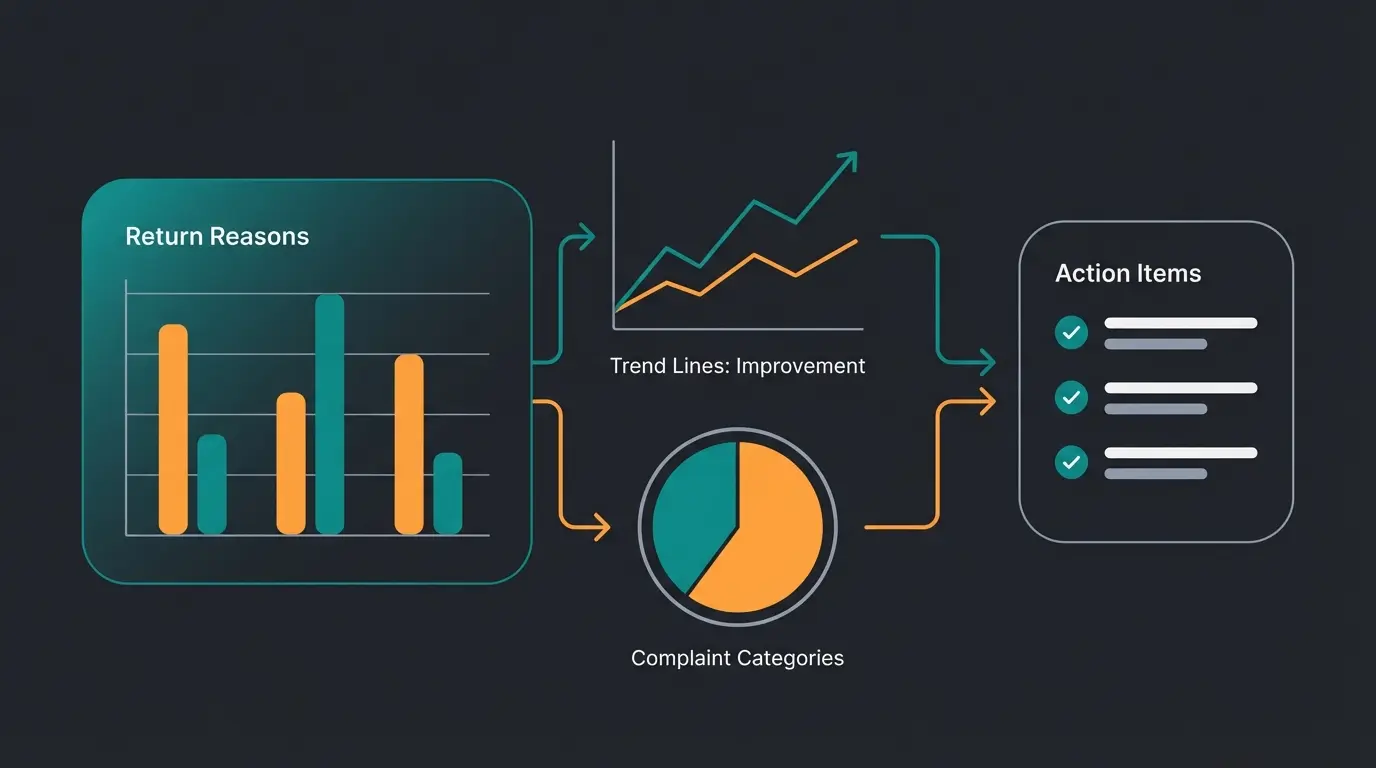
4. Data Analysis
Don't use the 'Return reason' field in Shopify just for documentation. Export the data monthly. For insights on leveraging data effectively, see our AI product consultation development guide.
- If Product A always comes back due to 'too small': Change the size recommendation
- If Product B always comes back due to 'defect': Switch suppliers or remove it from the assortment
The Ideal Complaint Resolution Flowchart
Having a clear decision framework helps your team handle complaints consistently while identifying opportunities for improvement. The following flowchart represents best practices adapted from AI-powered consultation methodologies.
Log in system, send immediate acknowledgment within 5 minutes
Is it a defect (warranty), withdrawal (return), or service complaint?
Defect: Offer repair/replacement. Withdrawal: Process per policy. Service: Offer goodwill solution
Process refund/exchange, update inventory, send confirmation
Log reason data, identify patterns, implement prevention measures
Send satisfaction survey, offer AI consultation for next purchase
Implementing Your Prevention Strategy
Now that you understand the costs and solutions, here's how to implement a comprehensive prevention strategy. Success stories like AI Product Consultation demonstrate the transformative impact of getting this right.
Quick Wins (Implement This Week)
- Review your top 10 most-returned products and improve their descriptions
- Add honest 'fit notes' to sizing-sensitive items
- Enable return reason tracking in Shopify if not already active
- Set up automatic acknowledgment emails for complaints
Medium-Term Improvements (30-60 Days)
- Implement a size recommendation app for apparel items
- Create product quizzes for categories with high return rates
- Set up Shopify Flow automations for return status updates
- Define and implement returnless refund rules for low-value items
Strategic Transformation (90+ Days)
- Deploy AI product consultation across your catalog
- Train AI on your product knowledge base and common customer questions
- Integrate return data with product development feedback loops
- Build predictive models to flag high-return-risk orders
Understanding how AI consultants boost conversion while reducing returns is key to building a sustainable prevention strategy.
Checklist: Optimizing Your Shopify Shop for Fewer Complaints
Use this comprehensive checklist to audit your current state and identify improvement opportunities:
- ☐ Are withdrawal policy and terms of service current and legally compliant?
- ☐ Is the return portal easy to find in your shop (footer, account page)?
- ☐ Do you use a size chart app for clothing-related items?
- ☐ Have you defined rules for 'returnless refunds' for low item values?
- ☐ Do you evaluate the top return reasons monthly?
- ☐ Is your product photography showing true colors and textures?
- ☐ Do product descriptions include honest fit and use-case information?
- ☐ Have you implemented pre-purchase consultation tools (quizzes, AI chat)?
- ☐ Are return status emails automated and comprehensive?
- ☐ Is return data fed back into product development decisions?
Frequently Asked Questions About Shopify Complaints
A return (withdrawal) is when a customer sends back an item within 14 days without needing a reason—they simply changed their mind. A complaint (warranty claim) occurs when the product is defective or doesn't match the description. The key difference: For returns, customers may bear return shipping costs (if informed in your policy). For complaints/defects, you bear all costs and must offer repair or replacement first.
According to EHI Retail Institute research, the average processing cost per return is €10 in Germany. This includes logistics (€5-10), inspection and repackaging (€3-7), potential value loss (20-100% of item value), and support time (€2.50 per ticket). Transaction fees (1.5-3%) are typically not refunded. For a €50 item with a €20 margin, a return often results in a net loss.
Yes, AI-powered pre-purchase consultation can reduce returns by 40% or more for 'item not as expected' reasons. This works by understanding customer needs through interactive quizzes or conversational AI, then recommending products that truly match their requirements. Stores implementing AI consultation typically see ROI within the first month through avoided processing costs alone.
Not necessarily. The market is shifting from 'free returns for everyone' to 'conscious shopping.' Instead of competing on free returns (which erodes margins), differentiate through better pre-purchase consultation that helps customers buy right the first time. Studies show customers prefer getting the right product over easy returns. Consider free returns for loyalty members or as a goodwill gesture for high-value customers.
A returnless refund is when you refund the customer but let them keep the item. Use this strategy when the return shipping and processing costs exceed the item's value—typically for items under €15-20. The customer is delighted by the generous service, you save on handling costs, and you avoid dealing with unsellable B-stock. Apps like AfterShip Returns can automate these rules based on item value and return reason.
Conclusion: From Complaint to 5-Star Review
A Shopify complaint is a decisive moment in the customer relationship—a Moment of Truth. Handle it poorly, and you lose the customer forever while risking negative reviews. Handle it professionally, quickly, and generously, and you can transform a dissatisfied buyer into a brand ambassador.
Summary of the Strategy
- Understand: Clearly distinguish legally between withdrawal and warranty
- Prevent: Invest in pre-purchase consultation (AI, quizzes, size charts) to eliminate false expectations
- Optimize: Automate the return process for customers (self-service portal) but use data to fight the causes
The market is moving away from 'free returns for everyone' toward 'conscious shopping.' As a Shopify merchant, you have the tools to lead this shift. Start today by not just processing your returns, but making them unnecessary through excellent consultation.
(Note: This article does not constitute legal advice. Please consult a lawyer or merchant association for the creation of your legal texts.)
Join leading Shopify merchants who've reduced returns by 40% and turned complaint handling from a cost center into a competitive advantage. Our AI consultation platform pays for itself in the first month.
Get Started Free